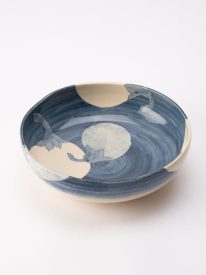
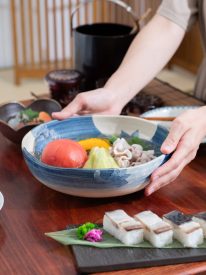
This bowl features round Kamo eggplants, a summer vegetable from Kyoto, in the serene blue and white of sometsuke. Kyoto vegetable designs are created by applying a water-resistant substance to outline the shapes. Then, gosu, a cobalt blue glaze, is hand-painted over the surface, leaving the protected areas untouched. After a second bisque-firing, delicate lines…
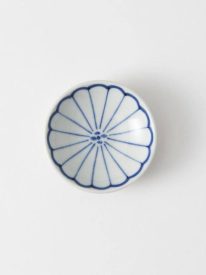
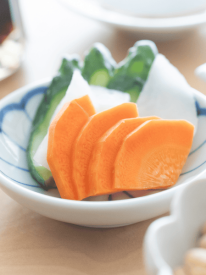
This sauce plate is crafted in a graceful chrysanthemum shape, accented with indigo brushworks that add the warmth and charm of hand-painting. Its compact size makes it ideal for serving sauces, garnishes, or small snacks like nuts and candies. You can also use it to present small portions of food or relishes, placing it on…
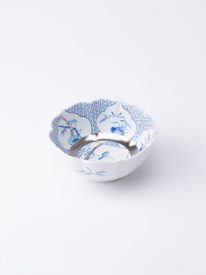
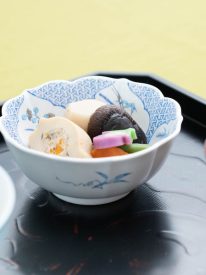
The sides of the bowl are shaped like the petals of a flower giving the bowl an elegant look. Items with distinctive curves such as this bowl are made by first making a base by pressure casting and then carved by skilled craftsman to give the final refined touch. The inside is decorated with traditional…
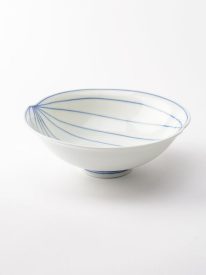
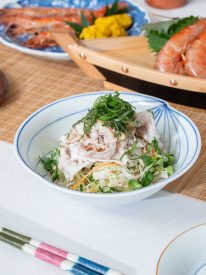
On this bowl, lines in sometsuke “Blue and White” style form smooth and elegant curves, representing leaf veins. These lines are hand-painted by artisans, with subtle variations in thickness and shade making each unique. When using this plate, you can feel a closeness to nature. Sometsuke is a technique that applies indigo color onto a base…
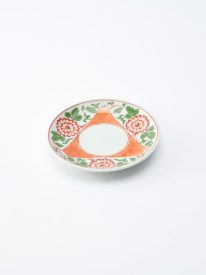
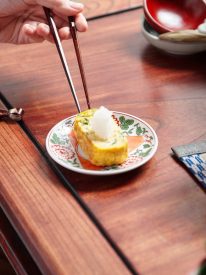
This sauce plate features chrysanthemum motifs alongside an iconic depiction of Mount Fuji. In Japanese culture, the chrysanthemum symbolizes nobility and sophistication. The plate’s central negative space creates a picture-frame effect, elegantly showcasing the food. The plate’s size is ideal for sauces, small bites of pickles, fruit, or desserts like wagashi. It’s an excellent choice…
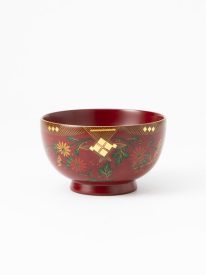
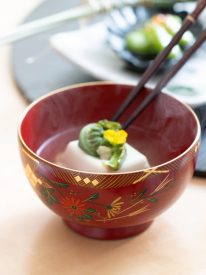
This soup bowl is hollowed out from Japanese horse chestnut, which is the best material for wood bowls. It has a slightly matte texture in calm vermilion color.The lacquering process, from the base coat to the top coat, has been inspected for designation as a traditional Aizu lacquerware craft.Aizu-e, the traditional design of Aizu lacquerware, is…
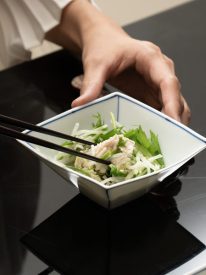
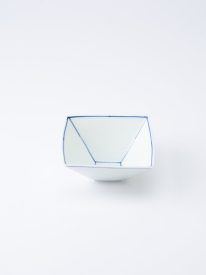
This kobachi bowl is perfectly suited for serving side dishes. The lines drawn along the rim accentuate the bowl elegantly. Employing a technique of “Sometsuke” (underglaze cobalt blue) painting on a base brilliantly fired to a pure white, each piece is meticulously crafted, embodying the essence of Seto Sometsuke ware. Though square, the form exhibits…
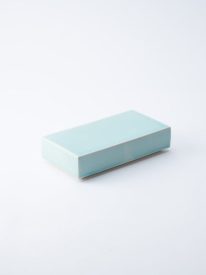
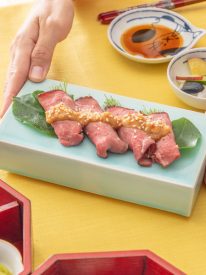
This side plate has a beautiful block-like shape with a cool aqua blue glaze. The height of the dish adds a rhythmic touch to any table arrangement, making for an inviting and sophisticated atmosphere. It is just right for placing appetizers, snacks, and sweets in a stylish manner. Its distinctive design makes for a table setting that…
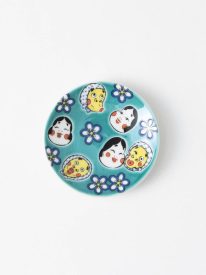
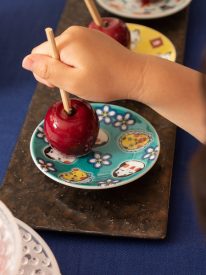
This Japanese sauce plate features the humorous okame (female) and hyottoko (male) masks, traditionally used as clown-like characters in kaguraa sacred dance and song dedicated to the gods at Shinto shrines. These masks are believed to bring good fortune and ward off evil. With its perfect size for sauces, this plate is also versatile for…
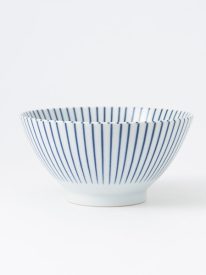
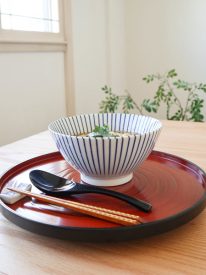
This large-sized Japanese donburi bowl features a traditional Japanese pattern called tokusa “horsetail” in blue on white porcelain. The simple yet memorable design makes it suitable for any table setting. The bowl is perfect for gyudon, oyakodon, and other donburi dishes. It can also be used to serve noodle dishes like udon or soba. With its…
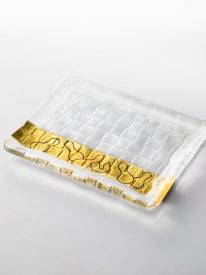
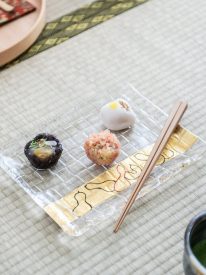
Meticulously handcrafted by adept artisans, the Yoshita Kasho Maki-e glass rectangular plate is a paragon of exquisite craftsmanship, effortlessly uniting the peerless quality of glass with a pioneering technique. This involves the integration of hand-painted Maki-e, employing natural lacquer, harmoniously combined with the esteemed Kanazawa gold leaf, presenting a piece where finesse and tradition resonate in…
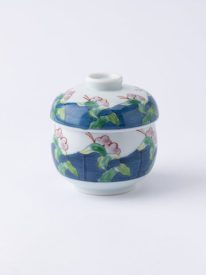
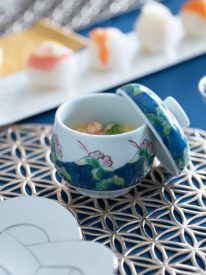
This chawanmushi (Japanese steamed egg custard) bowl has a purple flower painting in a round form. If you make chawanmushi with it, you can enjoy the authentic taste of this delicious egg custard and the atmosphere of a Japanese restaurant. When the lid is removed, the bowl can also be used as a small kobachi…

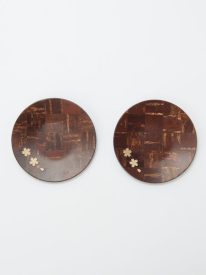 Checkered Pattern Side Plate Set