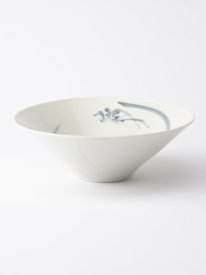
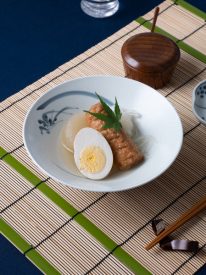
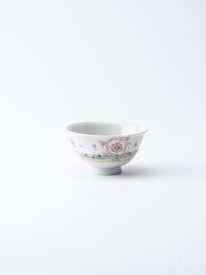
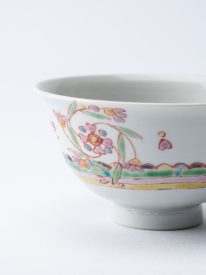
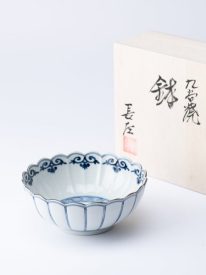
This is a serving bowl by Ri Sanpei (Yi Sam-pyeong) Kiln, a brand by the descendant of Yi Sam-Pyeong, the discoverer of white porcelain ore for Arita ware. The simple design with flowing orchids can be used for any menu. This is one of Ri Sanpei (Yi Sam-pyeong) Kiln’s most popular and classic products.Using the same Izumiyama…
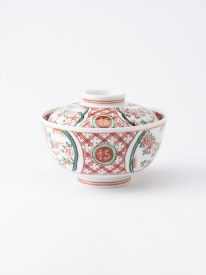
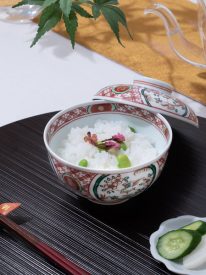
This is a kobachi small bowl with a lid, crafted from Arita ware porcelain. The bowl features a delicate design of flowers and grasses, decorated using the akae technique (overglaze red enamel), with red as the primary color, complemented by accents of green, purple, blue, and other shades. The same elegant pattern is painted on…
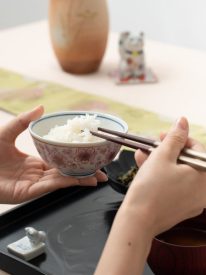
This rice bowl features flower petals delicately painted by artisans of Ginshu Kiln, which is especially known as its romantic and playful pastel colored painting. The painted areas have a slightly raised texture, a characteristic of Kutani ware, which is traditionally hand-painted using Japanese coloring pigments and a brush. With a diameter of 10.3 cm(4.1 in),…
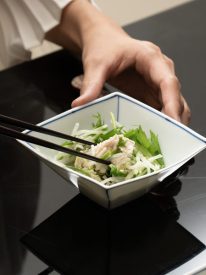
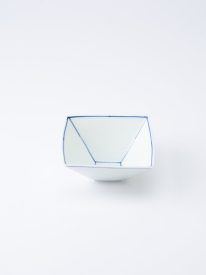
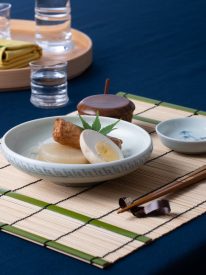
This kobachi bowl is perfectly suited for serving side dishes. The lines drawn along the rim accentuate the bowl elegantly. Employing a technique of “Sometsuke” (underglaze cobalt blue) painting on a base brilliantly fired to a pure white, each piece is meticulously crafted, embodying the essence of Seto Sometsuke ware. Though square, the form exhibits…
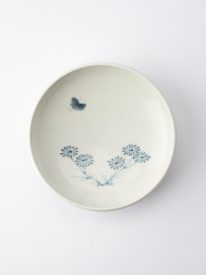
This is a serving bowl by Ri Sanpei (Yi Sam-pyeong) Kiln, a brand by the descendant of Yi Sam-Pyeong, the discoverer of white porcelain ore for Arita ware. It depicts a butterfly flying over a chrysanthemum flower, and the rim around it looks like a picture frame. The pattern is also drawn on the outside, making it…
This bowl features round Kamo eggplants, a summer vegetable from Kyoto, in the serene blue and white of sometsuke. Kyoto vegetable designs are created by applying a water-resistant substance to outline the shapes. Then, gosu, a cobalt blue glaze, is hand-painted over the surface, leaving the protected areas untouched. After a second bisque-firing, delicate lines…
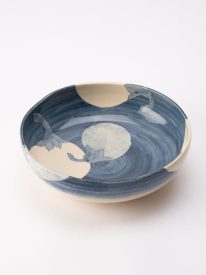
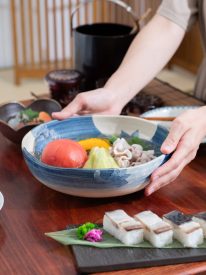
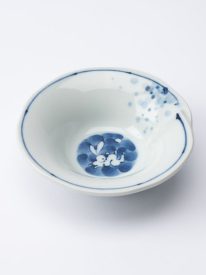
This is an indigo-dyed moon and rabbit kobachi small bowl crafted by Takayama, a renowned maker of Hasami porcelain. The inside of the bowl features a charming illustration of a rabbit playfully leaping beneath the moon, delicately painted in soft indigo tones. In Japanese culture, the rabbit is a symbol of fertility, longevity, and prosperity, making…
This bowl features exquisite sometsuke designs hand-painted by master craftsman Yamamoto Choza. At the bottom of the bowl lies a botanical and bird motif highlighted with circular patterns in fine lines of blue. The intricacies of each design invite a closer look. The porcelain base is formed using the katauchi technique, where a smooth layer…
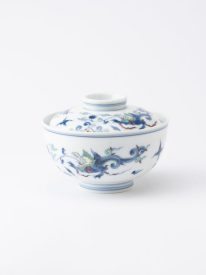
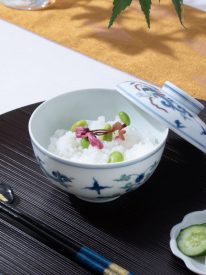
This kobachi small bowl with a lid is adorned with vibrant dragon and arabesque patterns, which stand out beautifully against white porcelain. Both dragons and arabesque motifs are considered auspicious and have been popular designs on tableware since ancient times. The bowl is perfectly sized for serving rice and is also ideal for simmered dishes. The…
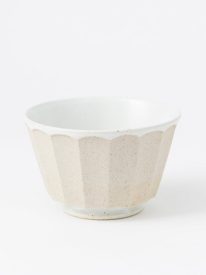
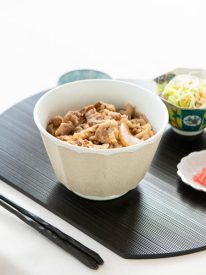
This regular-sized donburi bowl features a smooth, matte white glaze on the outer rim and inner surface, creating a striking contrast with the textured, natural clay on the faceted exterior. This combination of materials offers both a refined tactile experience and a contemporary appeal. Its depth and straight sides help retain the food’s warmth while…
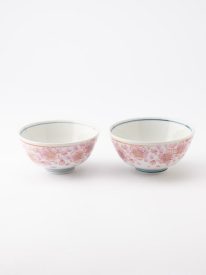
A pair of rice bowls decorated with brush painted cherry blossoms and falling petals. The pale pink color shines against the white porcelain base, beautifully depicting the petals dancing in the wind.In Japan, there is a culture of giving rice bowls as a gift to married couples to celebrate their marriage. It’s also perfect for…
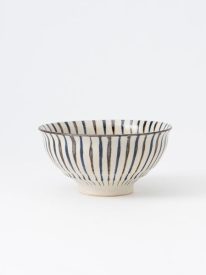
This small-sized donburi bowl features the traditional Japanese tokusa “horsetail” pattern with vertical stripes in dark blue and earthy brown. The rich, rusty hue of the brown, due to its high iron content, gives the bowl a warm, inviting finish. Beloved since the Edo period (1603-1868 CE), this pattern of straight vertical lines is inspired by…


 Weeping Cherry Blossom Bowl