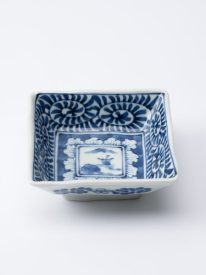
This elegant square kobachi small bowl is crafted by Takayama, a renowned maker of Hasami porcelain, and is dyed with seitan, a kind of indigo. The center of the plate features a traditional sansui landscape painting depicting the grandeur of nature, surrounded by a delicate yet bold karakusa arabesque pattern. In Japanese culture, sansui art symbolizes the…
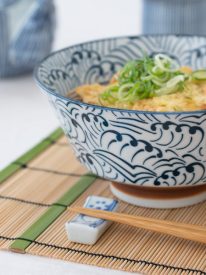
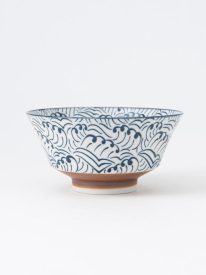
This regular-sized ramen bowl showcases a traditional seigaiha, or “wave” pattern in rich indigo blue, a motif that symbolizes good fortune in Japanese culture. Ideal for serving ramen, udon, or soba, this bowl enhances the presentation of your favorite noodles while bringing a touch of elegance and tradition to your table. Its versatile design also…
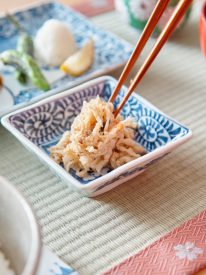
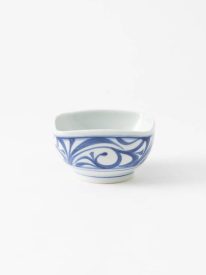
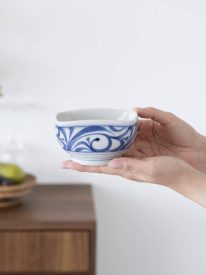
This small square kobachi bowl features a hand-painted arabesque pattern, one of the representative motifs of Tobe ware. The indigo shade adds a modern touch, while the natural motifs convey the warmth of hand-painted craftsmanship. It is ideal for serving various side dishes, such as tangy sunomono and slowly simmered nimono. The shape stands out…
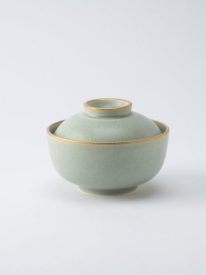
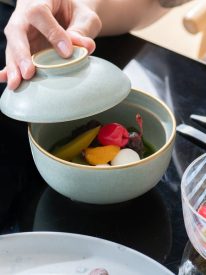
Kobachi bowl with a lid by MERU, a Mino ware brand.The shape used decades ago as traditional Japanese restaurant tableware has been rearranged in a modern way. The expression of light green color and ingenious design give it a refined impression.Luxurious pure gold is used for the overglaze painting, and the high quality gold allows…
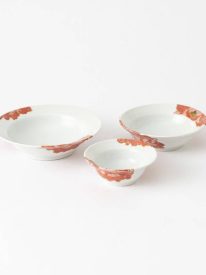
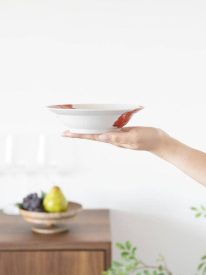
This gorgeous Japanese bowl set adorned with a bright red peony is made by Mr. Tsuyoshi Sato, a Kutani ware artisan known for his use of bright colors and florals. With brush painting, which is a characteristic of Kutani ware, a thick peony motif is drawn as if it bloomed on the rim and outer…
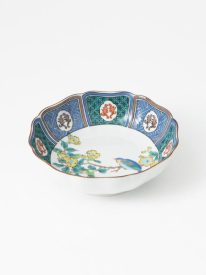
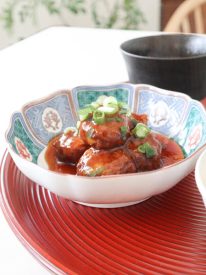
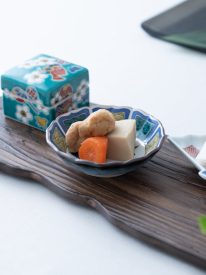
This bowl is decorated with Hypericum and Birds. The size is suitable for serving salad, appetizers such as Sunomono(vinegared food), Aemono(Seasoned or sauced food) or Nimono(simmered food) and any side dish. See more items from our Kutani ware collection to create traditional meets modern table setting. PRODUCT DETAIL Dimension: 16cm(6.29in) x 5.2cm(2.04in) Material: Porcelain –…
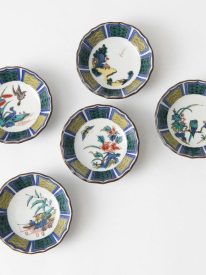
This kobachi small bowl set features traditional Japanese house, nature and scenery in Ko-Kutani (old Kutani) style, one of the remarkable painting styles of Kutani ware. Perfect size as a sauce plate. It is also versatile to serve cheese, nuts, condiments, and other small food. Put a small portion of food or relishes in, place…
A set of 5 small Japanese kobachi bowls depicting peaches and birds in Yoshidaya style. It is a perfect size for serving side dishes such as Sunomono(vinegared food) or Nimono(Simmered food). Each piece is uniquely hand-painted by a dedicated artisan of Kutani ware, making the texture of the plate warm and appealing. It comes in…
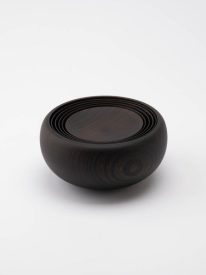
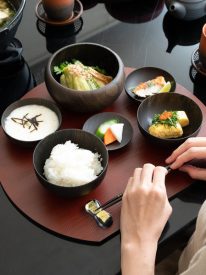
Oryoki is a functional set of bowls designed to minimize waste in daily life, based on Zen Buddhist practices. It has been gaining attention for its ease of use, functionality, and minimalist design, making it ideal for contemporary dining. Its compact design allows even a six-layer set to be stored effortlessly, making it both practical…
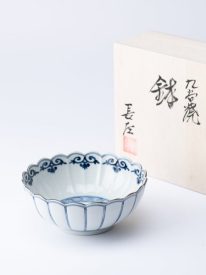
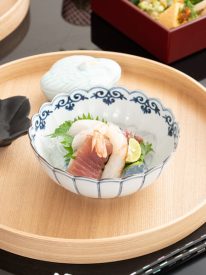
This bowl features exquisite sometsuke designs hand-painted by master craftsman Yamamoto Choza. At the bottom of the bowl lies a botanical and bird motif highlighted with circular patterns in fine lines of blue. The intricacies of each design invite a closer look. The porcelain base is formed using the katauchi technique, where a smooth layer…
The meticulously adapted tokusa (horsetail) design, a masterpiece innovatively developed by craftsperson Taniguchi, adorns this bowl from Tosen Kiln. The tokusa pattern is vividly presented in two colors, imparting warmth and depth to the hand-drawn lines. These lines, initially penciled to ensure spacing, defy the impersonal touch of printing, thus infusing the bowl with…
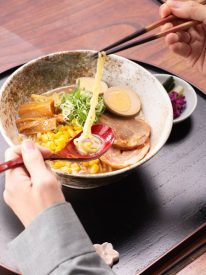
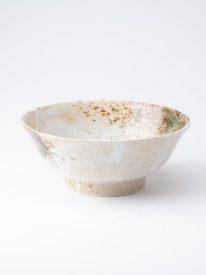
This regular-sized ramen bowl showcases the soft, earthy tones of Shino ware, with shades of brown and green blending seamlessly into a white base. It features a generous application of white glaze, creating a speckled appearance, while the unglazed areas highlight a beautifully rough texture. Originating in Gifu Prefecture during the Azuchi-Momoyama period (1573 CE-1603…

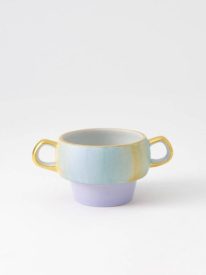 Ukiyo Blue and Yellow Soup Bowl