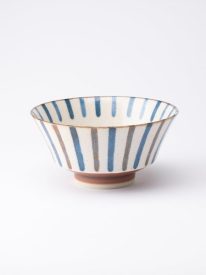
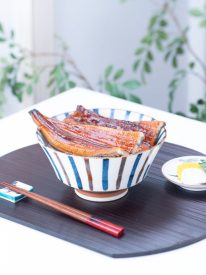
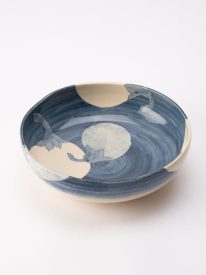
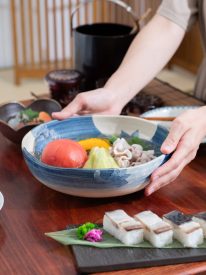
As suggested by the name nanpu, meaning “southern winds,” this bowl features a design that evokes the feeling of a warm breeze. The straight lines of blue and brown represent pouring rain, adding a sense of natural comfort to the piece. The slightly warped rim allows for easy stacking of bowls with the same shape,…
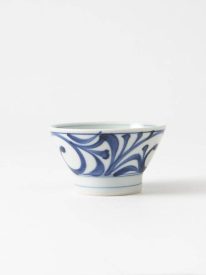
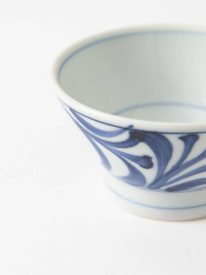
This kobachi small bowl features a beautiful arabesque pattern, one of the representative motifs of Tobe ware. The shade of indigo gives a sense of modern elegance. You can feel the warmth of hand-painting from the patterns using nature motifs. The size is perfect for a small portion of side dishes such as a tangy sunomono…
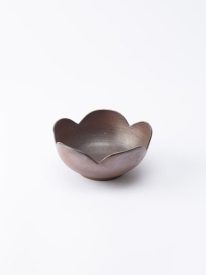
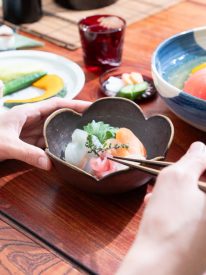
The Hozan Kiln’s Flower-Shaped Kobachi Bowl embodies the earthy textures and colors characteristic of Bizen ware. Its coarse texture, exquisite hues, and intricate patterns, shaped by the kiln’s flames, exemplify Bizen warethe art of clay and fire. Without any artificial decorations, the bowl stands out with its bold presence. The petal-shaped rim displays natural hues…
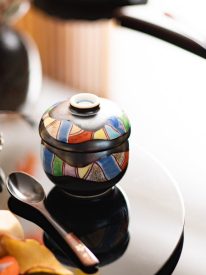
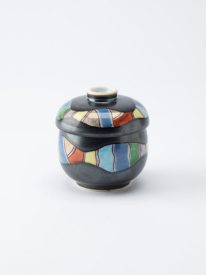
Enjoy delicious chawanmushi, Japanese steamed egg custard with your favorite ingredients at home with this beautiful Arita ware Chawanmushi bowl from Tasei Kiln. Tenmoku is a ceramic glaze known for its characteristic glossy and very dark colors such as deep brown or maroon, primarily attributed to its iron-bearing composition. Set against the backdrop of the…
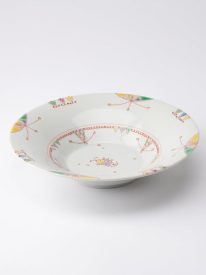
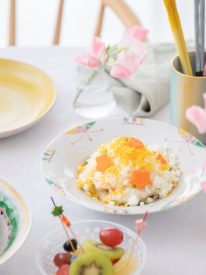
This large bowl features a unique design of fish and the circus, hand-painted with a delicate touch by artisans. The painted areas have a slightly raised texture, a characteristic of Kutani ware, which is traditionally hand-painted using Japanese coloring pigments and a brush. Perfect size as a serving bowl for salad, appetizers, side dish, pasta,…
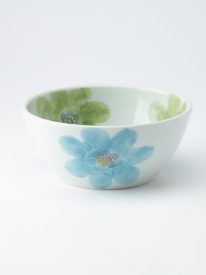
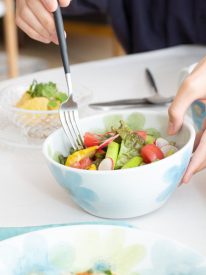
This delightful Tobe ware donburi bowl features soft floral patterns in shades of grassy green and light blue, with subtle gold accents. Applied through the unique washi-zome technique, the floral design brings a watercolor-like softness to the white porcelain surface. With a 16.7 cm (6.6 in) diameter, it’s perfect for serving salads, soups, and noodles….
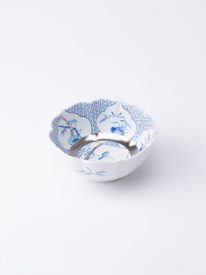
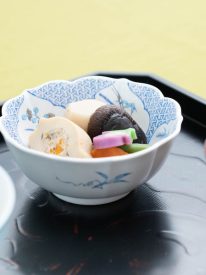
The sides of the bowl are shaped like the petals of a flower giving the bowl an elegant look. Items with distinctive curves such as this bowl are made by first making a base by pressure casting and then carved by skilled craftsman to give the final refined touch. The inside is decorated with traditional…
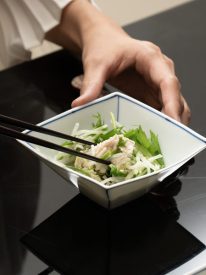
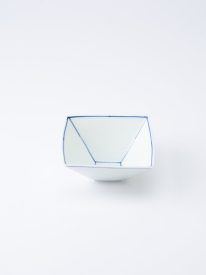
This kobachi bowl is perfectly suited for serving side dishes. The lines drawn along the rim accentuate the bowl elegantly. Employing a technique of “Sometsuke” (underglaze cobalt blue) painting on a base brilliantly fired to a pure white, each piece is meticulously crafted, embodying the essence of Seto Sometsuke ware. Though square, the form exhibits…
This bowl features round Kamo eggplants, a summer vegetable from Kyoto, in the serene blue and white of sometsuke. Kyoto vegetable designs are created by applying a water-resistant substance to outline the shapes. Then, gosu, a cobalt blue glaze, is hand-painted over the surface, leaving the protected areas untouched. After a second bisque-firing, delicate lines…
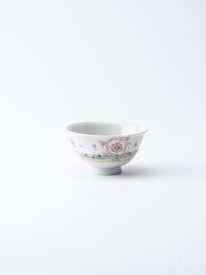
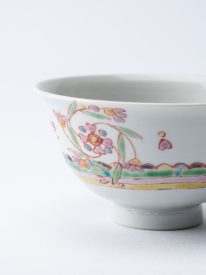
This rice bowl features flower petals delicately painted by artisans of Ginshu Kiln, which is especially known as its romantic and playful pastel colored painting. The painted areas have a slightly raised texture, a characteristic of Kutani ware, which is traditionally hand-painted using Japanese coloring pigments and a brush. With a diameter of 10.3 cm(4.1 in),…
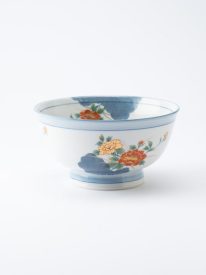
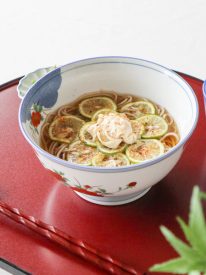
This large donburi bowl is beautifully adorned with delicately drawn peonies and a fabric-like pattern called nunome. In Japanese culture, peonies symbolize nobility, prosperity, and good fortune. The addition of gold accents enhances the bowl’s traditional elegance. The interior of the bowl is also decorated with peonies, allowing you to enjoy a visual feast while savoring…
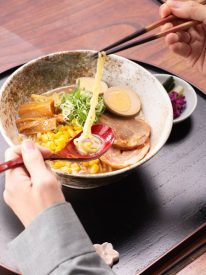
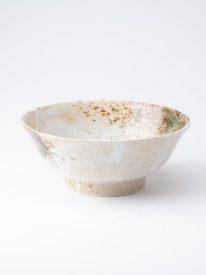
This regular-sized ramen bowl showcases the soft, earthy tones of Shino ware, with shades of brown and green blending seamlessly into a white base. It features a generous application of white glaze, creating a speckled appearance, while the unglazed areas highlight a beautifully rough texture. Originating in Gifu Prefecture during the Azuchi-Momoyama period (1573 CE-1603…

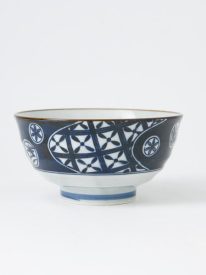 Twist Shonzui Donburi Bowl M