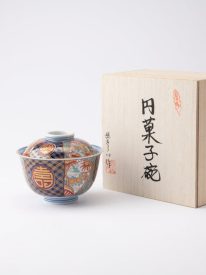
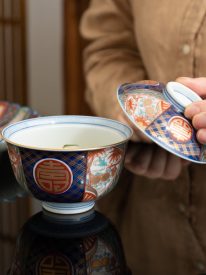
This kobachi small bowl is a beautifully decorated item reflecting the high-quality craftsmanship handed down for generations within Arita Porcelain Lab’s long history. The technique displayed in this bowl is called somenishiki where the bowl is first glazed with white and blue patterns and then is further decorated with detailed hand painted drawings. The character in a…
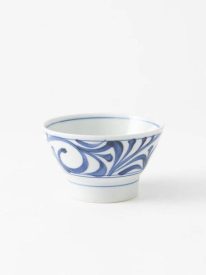
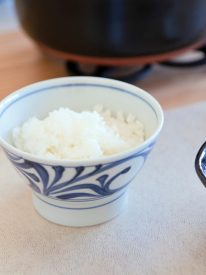
This rice bowl showcases an arabesque pattern, one of the representative motifs of Tobe ware. Its indigo shade adds a modern touch, while the hand-painted nature motifs bring warmth and character to each piece. The high footing makes it easy to hold, adding praticality to its charm. Perfectly sized for a single serving of rice,…
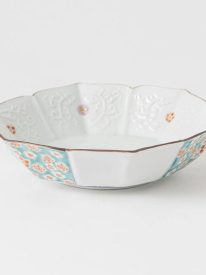
This elegant flower shaped large bowl features hand-painted plum motifs and raised arabesque patterns. The painting stands out beautifully on the white porcelain, as you can see the painted part is slightly thickened by using a brush for painting. A fine pattern is drawn on the foot, making it a beautiful bowl from any angle. Both…
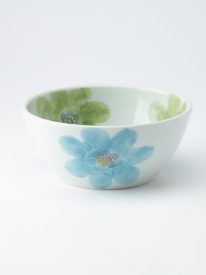
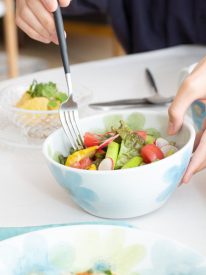
This delightful Tobe ware donburi bowl features soft floral patterns in shades of grassy green and light blue, with subtle gold accents. Applied through the unique washi-zome technique, the floral design brings a watercolor-like softness to the white porcelain surface. With a 16.7 cm (6.6 in) diameter, it’s perfect for serving salads, soups, and noodles….
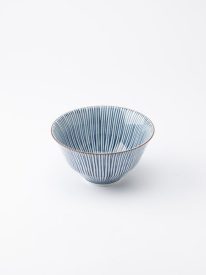
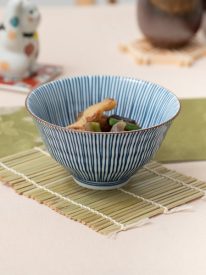
This small-sized donburi bowl from Fukuhou Kiln features the traditional Japanese tokusa “horsetail” pattern. Its depth helps retain the food’s warmth while adding a touch of style and practicality. Beloved since the Edo period (1603 CE-1868 CE), this pattern of straight vertical lines is inspired by the Japanese plant tokusa, known in English as rough…
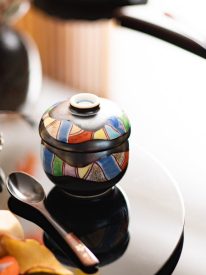
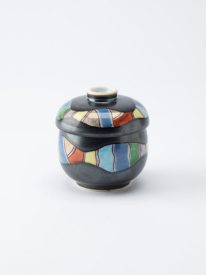
Enjoy delicious chawanmushi, Japanese steamed egg custard with your favorite ingredients at home with this beautiful Arita ware Chawanmushi bowl from Tasei Kiln. Tenmoku is a ceramic glaze known for its characteristic glossy and very dark colors such as deep brown or maroon, primarily attributed to its iron-bearing composition. Set against the backdrop of the…
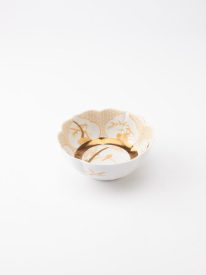
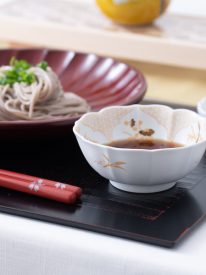
Hundreds of years of skill and technique are carefully crafted in this hand-size kobachi small bowl in golden yellow. The design is arranged with traditional auspicious patterns, making the tableware suitable for the modern dining scene. The sides of the bowl are shaped like the petals of a flower giving the bowl an elegant look….
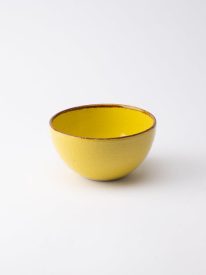
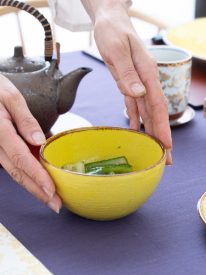
This beautiful yellow stoneware bowl is eye-catching. The bumpy surface is unique to stoneware which has a rustic, warm, and chunky texture. The brown glazed rim enhances the vividness of the yellow color. Measuring D12.3cm(4.8in), it is suitable for rice, fruit, soup, yogurt, etc. Flamenco is a series born from an exploration of “color”. The characteristic yellow…
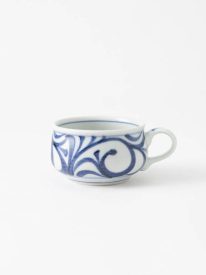
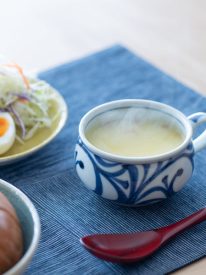
This small soup cup showcases a classic arabesque pattern, one of the defining motifs of Tobe ware. The indigo shade lends a modern touch, while the hand-painted nature motifs bring a sense of warmth and craftsmanship to each piece. With its soft, rounded shape, this cup creates a cozy, relaxing ambiance. While designed for soup,…
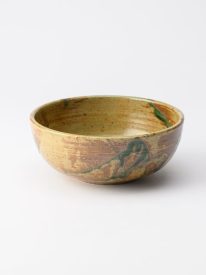
This bowl fascinates with its elegant water plant motif, highlighted with brown splashes. The green glaze and abstract brushstrokes are characteristic of Yashichida Oribe ware. Hand-crafted, this bowl reflects nature’s rustic beauty by accentuating the rokurome, or the rhythmic marks made by the potter’s wheel, which add a special texture and warmth. Its lightweight design…
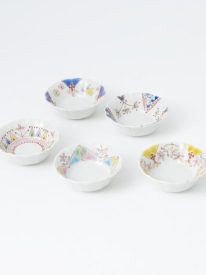
This set of five small kobachi bowls features colorful patterns painted by artisans of Ginshu Kiln, which is especially known as its romantic and playful pastel colored painting. It is suitable for serving side such as sunomono (vinegared food), aemono (seasoned or sauced food), nimono (simmered food) for one person. Furthermore, you may put a…
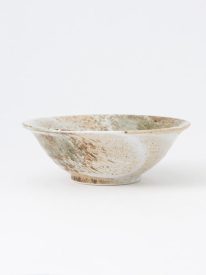
The beautiful white hue of this small ramen bowl is a hallmark of Shino ware. The speckled glaze creates a design that feels both liberating and sophisticated. Shino ware is a type of Mino ware, originally fired in Mino, Gifu Prefecture, during the Azuchi-Momoyama period (1573-1603 CE). While most of the bowl is glazed, offering…


 Moist Gold Pine Side Plate
 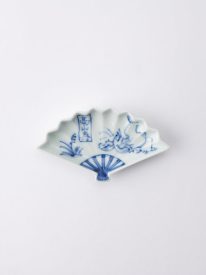 Choju Giga Fan-shaped Sauce Plate
 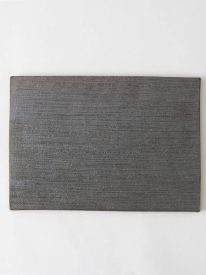 Black Tanka Rectangle Dinner Plate 10.4 in
 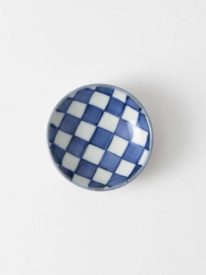 Indigo Checkered Pattern Sauce Plate
 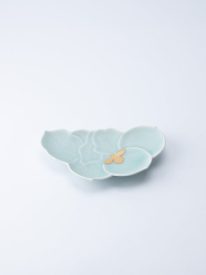 Moist Gold Persimmon Side Plate
 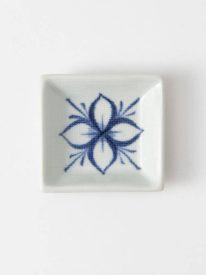 Four Leaf Square Sauce Plate
 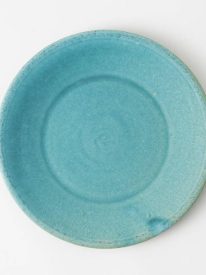 Bloom Round Dinner Plate 9.6 in
  Medaka Rice Fish Chrysanthemum Sauce Plate
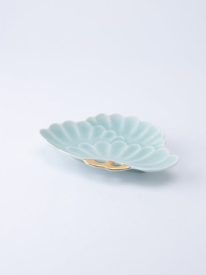
 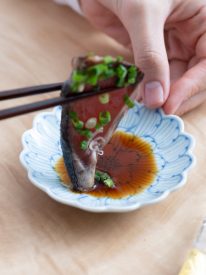 Blue Peony Chrysanthemum-Shaped Sauce Plate
 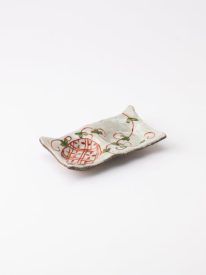 Kousai Kiln Arabesque Hasami Divided Sauce Plate
 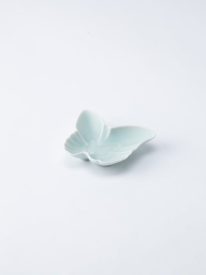 Moist Butterfly Sauce Plate
 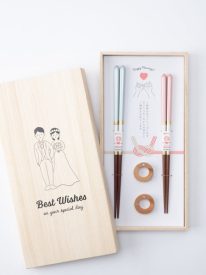 Wedding Gift Chopsticks Pair Set with Chopstick Rests
 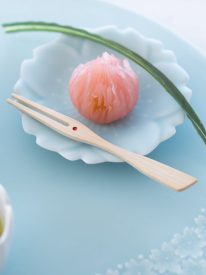 Moist Sakura Sauce Plate
 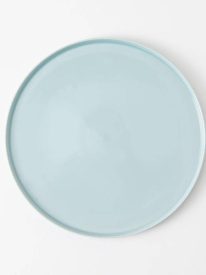 Givre Round Main Plate
 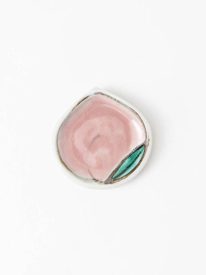 Peach Sauce Plate
 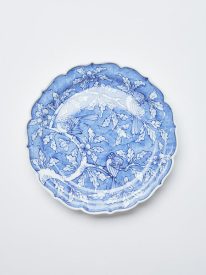 Flower and Birds Bellflower Rim Dinner Plate
 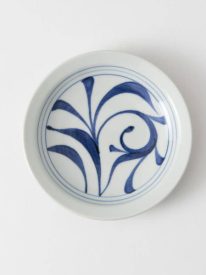 Blue Line Arabesque Round Side Plate
 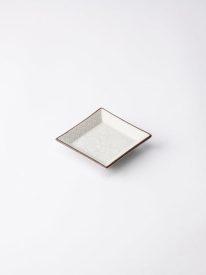 Hachi-Kutani Hanazume Sauce Plate
 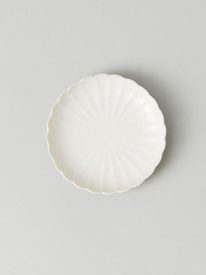 White Chrysanthemum Sauce Plate
 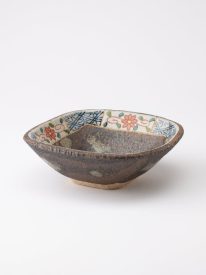 Kousai Kiln Flower Hasami Square Bowl