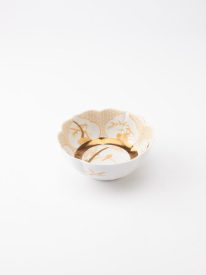
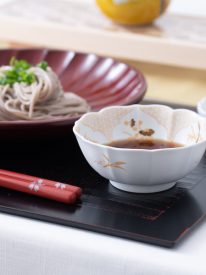
Hundreds of years of skill and technique are carefully crafted in this hand-size kobachi small bowl in golden yellow. The design is arranged with traditional auspicious patterns, making the tableware suitable for the modern dining scene. The sides of the bowl are shaped like the petals of a flower giving the bowl an elegant look….
A fun bowl featuring a playful decoration of a little man soaking in a bath, which appears when you pour soup into it. The traditional pattern drawn on the bowl creates a unique combination with the whimsical design, serving as a perfect example of Choemon’s ability to blend traditional and modern elements into tableware. Originally…
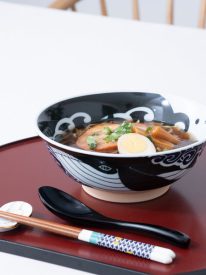
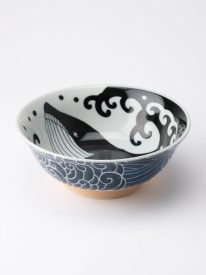
This regular-sized Japanese ramen bowl boasts a captivating design, featuring a whale swimming gracefully through the ocean, surrounded by waves and splashes. The artwork is primarily depicted in black, while the wave patterns on the exterior are elegantly brushed in shaded indigo blue. Its size and shape are perfect for ramen and other noodle dishes…
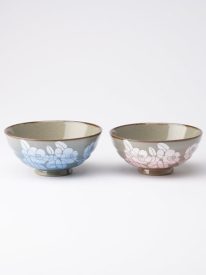
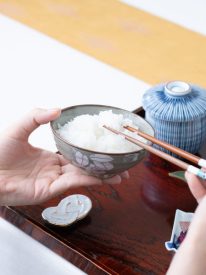
A beautiful pair of rice bowls with a pink and blue sasanqua motif. It is beautifully applied Ginsai, the Kutani ware technique by which five-color glaze is applied over silver foil. The cracks on the surface are created by the traditional technique of “Kannyu” (penetration), which allows you to enjoy the beauty of handcrafting.The shape made on…
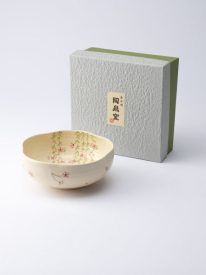
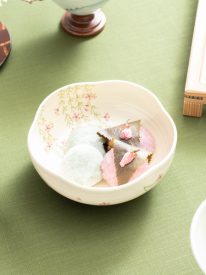
The image of graceful weeping sakura, cherry blossoms, of Gion, Kyoto is depicted on this bowl from Tosen Kiln. Weeping cherry blossoms are one of the representative flowers of Kyoto, and express Kyoto’s unique atmosphere. The pink and pale green of the cherry blossoms beautifully decorate the yellowish cream white color of the Kiyomizu ware base….
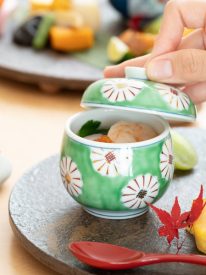
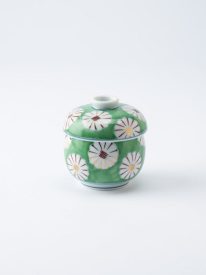
Enjoy delicious chawanmushi, Japanese steamed egg custard, in this beautiful Arita ware chawanmushi bowl. A scattering of golden chrysanthemums is carefully painted first, preserving their delicate beauty. A bright green sweeps in to fill the remaining space as the varied shades showcase exquisite hand-painted artistry. Versatile in size and shape, this piece can also hold…
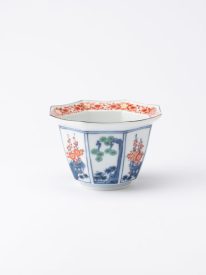
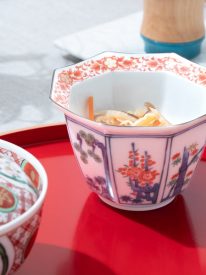
This kobachi small bowl is decorated in the Kakiemon style. The Kakiemon style is known for its elegant compositions that use blank spaces to highlight the porcelain’s beautiful milky white color, with delicate depictions of flowers and birds in natural landscapes. The bowl has an octagonal shape with an outward-extending rim. Its depth makes it…
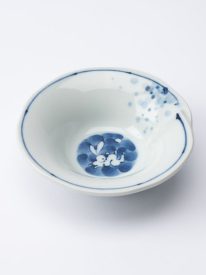
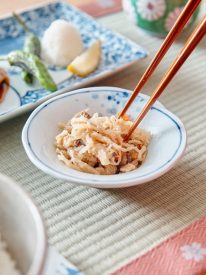
This is an indigo-dyed moon and rabbit kobachi small bowl crafted by Takayama, a renowned maker of Hasami porcelain. The inside of the bowl features a charming illustration of a rabbit playfully leaping beneath the moon, delicately painted in soft indigo tones. In Japanese culture, the rabbit is a symbol of fertility, longevity, and prosperity, making…
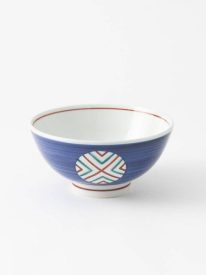
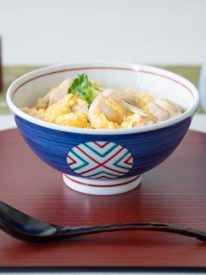
Featuring a sharp red and green pattern peeking out from a large round cut-out shape, called marunuki, this large donburi bowl makes a strong visual impression. The pattern stands out against a striking indigo blue background. The bright red is echoed on the foot of the bowl and the inner rim, creating a beautifully balanced design…
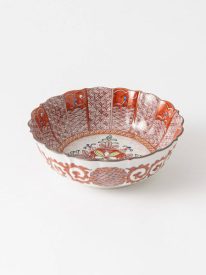
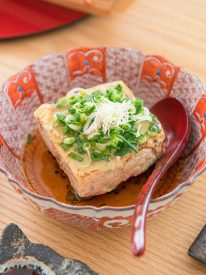
This stunning Akae-style Japanese bowl showcases intricate hand-painted details, characteristic of the Iidaya/Akae style of Kutani ware. The finely detailed artwork is truly remarkable, with not only an elaborate pattern adorning the inside but also a gracefully wavy rim and beautifully decorated exterior, making it a captivating piece from every angle. Its size is ideal…
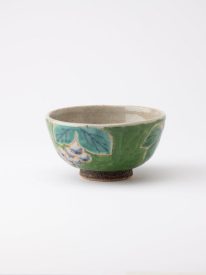
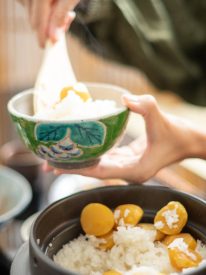
This is a Hasami ware rice bowl made by Kousai Kiln. It is handpainted to bring out the warm texture of the clay. The base of the rice bowl is finished in green with a blue grape and leaf design. The rough texture of the clay is coated with a glossy, bright glaze that offers different textures….
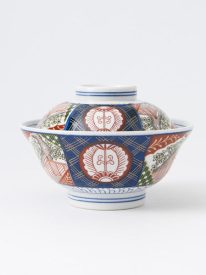
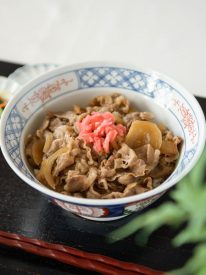
This regular-sized Japanese donburi rice bowl features sakura, or cherry blossoms, framed by dark blue, lattice-like patterns, all rendered in the traditional nishiki-e style. Nishiki-e, meaning “brocade picture,” is a multi-colored woodblock print technique that revolutionized ukiyo-e during the Edo period (1603-1868 CE), when most prints were in black and white. The lid helps keep the…

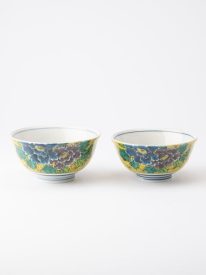 Yoshidaya Peony Rice Bowl Pair
 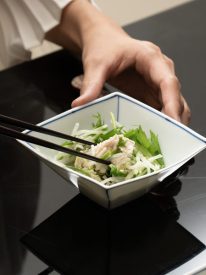 SINGAMA Blue Line Seto Ware Square Kobachi Bowl 4.5in
 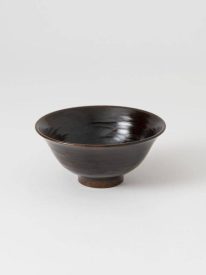 Japanese cherry birch Yamanaka Lacquerware Japanese Rice Bowl
 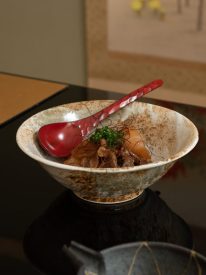 Snow Shino Ramen Bowl S
 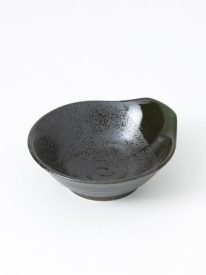 Black and Green Tonsui Bowl