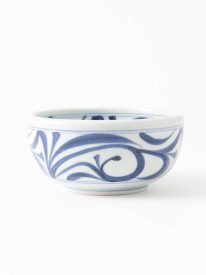
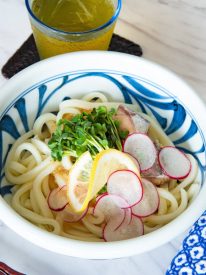
This large-sized serving bowl features one of the signature motifs of Tobe ware. The graceful arabesque design is brought to life by the warmth of its dynamic hand-painted brushstrokes, inspired by nature and the striking contrast of indigo on porcelain white. The extended pattern inside the bowl creates a rich and harmonious design. Renowned for…
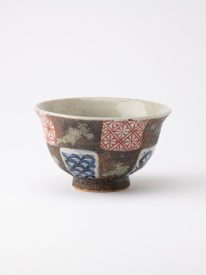
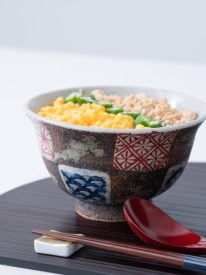
This regular-sized donburi bowl features a charming checkered pattern over an unglazed rustic brown background. Adorned with various traditional designs like the asanoha “hemp leaf” pattern and seigaiha “wave” pattern, each symbolizes continuity and prosperity, carrying the auspicious wish that good fortune will last forever. Its depth helps retain the food’s warmth while adding a…
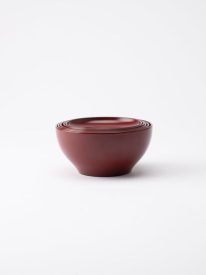
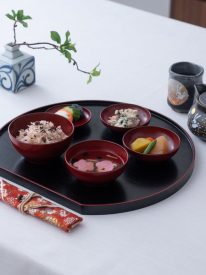
The craftsmanship of Yamanaka Lacquerware shines through in this matte lacquered “Oryoki”. The smaller size is recommended for those with small appetites or for children. Alternatively, you can use the largest size as a rice bowl and prepare a separate soup bowl of your favorite size. Oryoki, is a functional set of bowls designed to minimize…
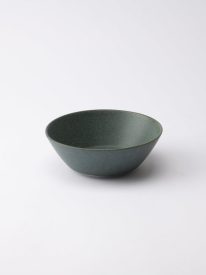
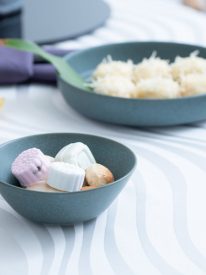
This bowl from the Jade series features a moody green color, reminiscent of a deep forest. Instead of shiny, bright gems, the design is chic and modern, featuring subdued tones and matte textures like Jade gemstones. The deep green tones go well with warm-colored foods such as red, yellow, and orange. Even a few bright colors,…
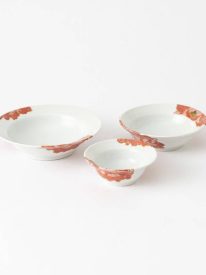
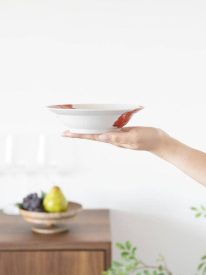
This gorgeous Japanese bowl set adorned with a bright red peony is made by Mr. Tsuyoshi Sato, a Kutani ware artisan known for his use of bright colors and florals. With brush painting, which is a characteristic of Kutani ware, a thick peony motif is drawn as if it bloomed on the rim and outer…
The meticulously adapted tokusa (horsetail) design, a masterpiece innovatively developed by craftsperson Taniguchi, adorns this bowl from Tosen Kiln. The tokusa pattern is vividly presented in two colors, imparting warmth and depth to the hand-drawn lines. These lines, initially penciled to ensure spacing, defy the impersonal touch of printing, thus infusing the bowl with…
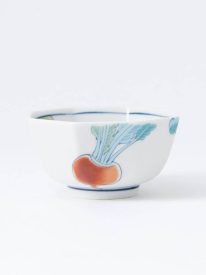
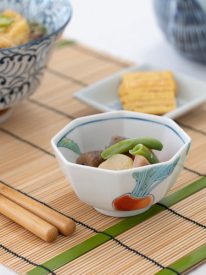
This small kobachi bowl features a red turnip, and one leaf of the turnip is also shown inside of the bowl. Turnip is one of the motifs that has long been regarded as a lucky charm in Japan, and is often used for tableware. The refreshing white-based small bowl is a handy size, durable and…
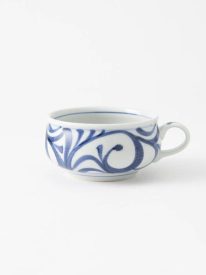
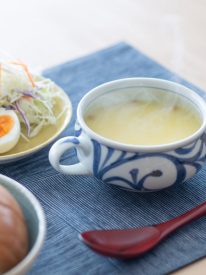
This soup cup showcases a classic arabesque pattern, one of the defining motifs of Tobe ware. The indigo shade lends a modern touch, while the hand-painted nature motifs bring a sense of warmth and craftsmanship to each piece. With its soft, rounded shape, this cup creates a cozy, relaxing ambiance. While designed for soup, it’s…
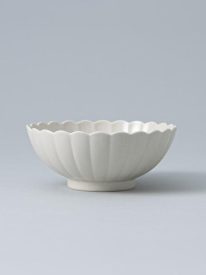
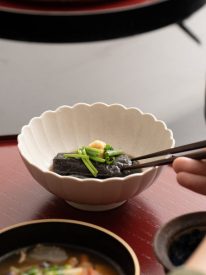
This chrysanthemum shaped Japanese small bowl features a matte white color, overlaid with a white speckled glaze that looks like snow. It is made by Hasami ware, which is widely known as a light, durable and easy-to-use tableware among Japanese tableware, and is an indispensable stoneware in both restaurants and homes. Chrysanthemum is a shape…
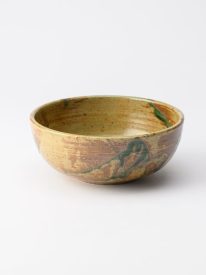
This bowl fascinates with its elegant water plant motif, highlighted with brown splashes. The green glaze and abstract brushstrokes are characteristic of Yashichida Oribe ware. Hand-crafted, this bowl reflects nature’s rustic beauty by accentuating the rokurome, or the rhythmic marks made by the potter’s wheel, which add a special texture and warmth. Its lightweight design…
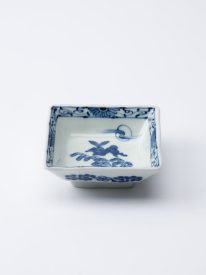
This square kobachi small bowl is crafted by Takayama, a renowned maker of Hasami porcelain, and dyed with seitan, a kind of indigo. The inside of the bowl is beautifully adorned with a design of a rabbit leaping under the moon and the traditional seigaiha pattern of blue ocean waves. The seigaiha motif depicts gently…
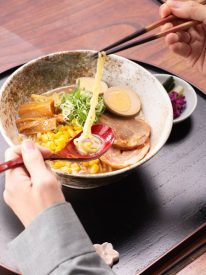
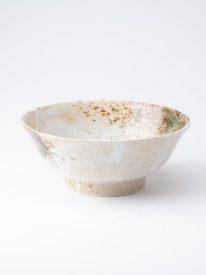
This regular-sized ramen bowl showcases the soft, earthy tones of Shino ware, with shades of brown and green blending seamlessly into a white base. It features a generous application of white glaze, creating a speckled appearance, while the unglazed areas highlight a beautifully rough texture. Originating in Gifu Prefecture during the Azuchi-Momoyama period (1573 CE-1603…


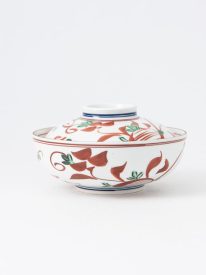 Red Banreki Medium Bowl with Lid