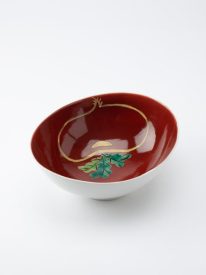
A beautiful Kutani ware bowl featuring a hand-drawn turnip. This unique design captivatingly showcases the contrast between the pure white exterior and the deep red interior, exuding a strong presence without being overly ostentatious. The bright green leaves and the soft outlines of the yellow turnip are well balanced, creating a warm and impressive painting. Due to…
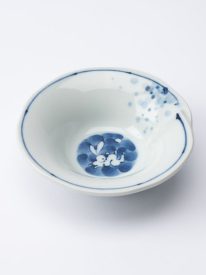
This is an indigo-dyed moon and rabbit kobachi small bowl crafted by Takayama, a renowned maker of Hasami porcelain. The inside of the bowl features a charming illustration of a rabbit playfully leaping beneath the moon, delicately painted in soft indigo tones. In Japanese culture, the rabbit is a symbol of fertility, longevity, and prosperity, making…
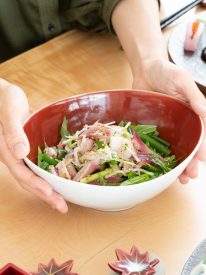
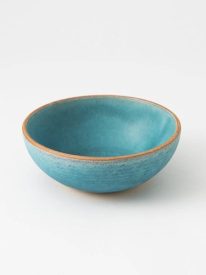
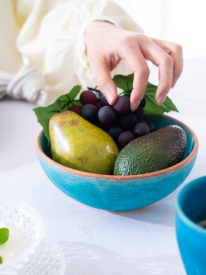
This simple and modern bowl features a beautiful turquoise color. The glaze’s appearance varies uniquely with each piece according to the conditions during firing, resulting in a naturally exquisite shade of blue. The 17.8 cm (7 in) size is perfect for smaller servings of salads, appetizers, aemono (seasoned dishes), or nimono (simmered dishes). Its shallow shape…
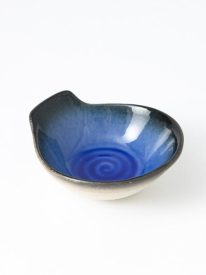
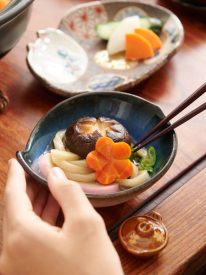
This bowl stands out with its stunning indigo glaze. The exterior has a slightly rough texture, preserving the natural warmth and character of the clay. Created with its unique shape as a tonsui, this bowl is primarily intended as a serving bowl for hot-pot dishes. It also works wonderfully for holding noodle dipping sauces or as…
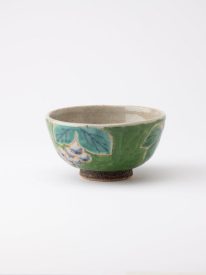
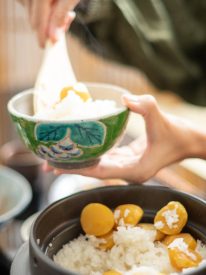
This is a Hasami ware rice bowl made by Kousai Kiln. It is handpainted to bring out the warm texture of the clay. The base of the rice bowl is finished in green with a blue grape and leaf design. The rough texture of the clay is coated with a glossy, bright glaze that offers different textures….
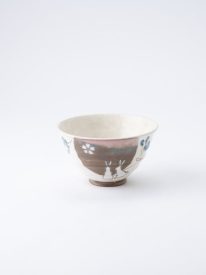
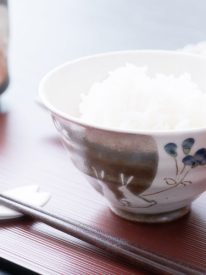
This cute Japanese rice bowl features two rabbits sitting side by side. The soft touch of the drawing and the rustic atmosphere of the clay texture make this rice bowl perfect for everyday. The inside bottom of the rice bowl is also painted with a blue flower that will make you love it more and…
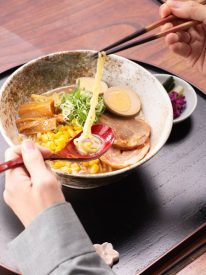
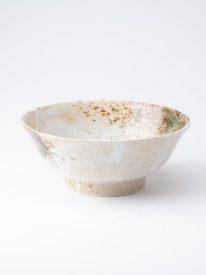
This regular-sized ramen bowl showcases the soft, earthy tones of Shino ware, with shades of brown and green blending seamlessly into a white base. It features a generous application of white glaze, creating a speckled appearance, while the unglazed areas highlight a beautifully rough texture. Originating in Gifu Prefecture during the Azuchi-Momoyama period (1573 CE-1603…
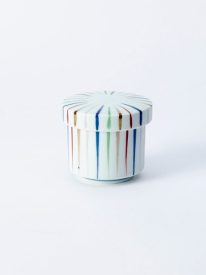
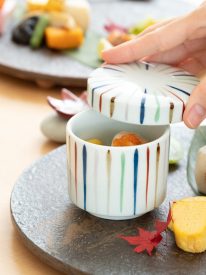
Enjoy delicious chawanmushi, Japanese steamed egg custard, in this beautiful Arita ware chawanmushi bowl. Painted with a straw pattern called mugiwarade, rendered here in several delicate colors creating a feeling that is both intriguing and subdued. Each brush stroke starts out thick and tapers out at the end, which adds a subtle interest to this…
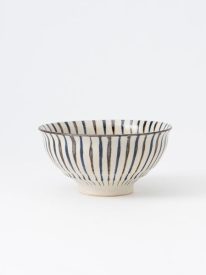
This small-sized donburi bowl features the traditional Japanese tokusa “horsetail” pattern with vertical stripes in dark blue and earthy brown. The rich, rusty hue of the brown, due to its high iron content, gives the bowl a warm, inviting finish. Beloved since the Edo period (1603-1868 CE), this pattern of straight vertical lines is inspired by…
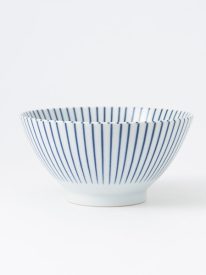
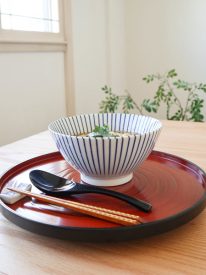
This large-sized Japanese donburi bowl features a traditional Japanese pattern called tokusa “horsetail” in blue on white porcelain. The simple yet memorable design makes it suitable for any table setting. The bowl is perfect for gyudon, oyakodon, and other donburi dishes. It can also be used to serve noodle dishes like udon or soba. With its…
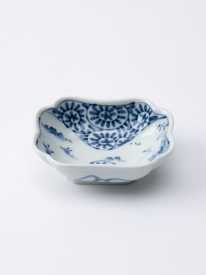
This indigo-dyed, rectangular kobachi small bowl is crafted by Takayama, a renowned maker of Hasami porcelain. The interior of the plate is delicately decorated with a serene landscape scene, beautifully framed by the traditional octopus arabesquetako karakusapattern. This design, featuring endlessly winding vines, has long been cherished in Japan as an auspicious motif symbolizing longevity and…
This beautiful rice bowl features soft blue flowers as if painted with watercolors. The bright design resembles blooming flowers, bringing joyful atmosphere on the table. It is painted by the female artist, Ohigashi Alyne, who was born in Philippines. She uses a unique technique called washi-zome (Japanese paper dyeing) and continues her ideal stoneware-making in Higashi…


 Pomegranate Kobachi Small Bowl
 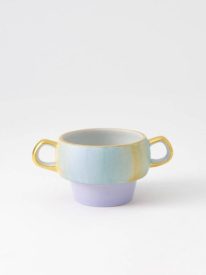 Ukiyo Blue and Yellow Soup Bowl
 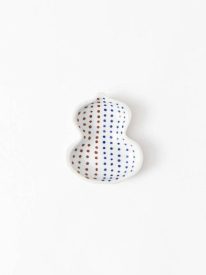 Gourd Shaped Sauce Plate
 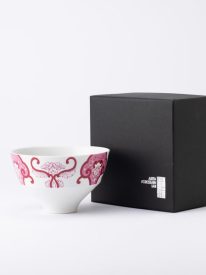 Japan Autumn Burgundy Old Imari Floral Pattern Japanese Rice Bowl
 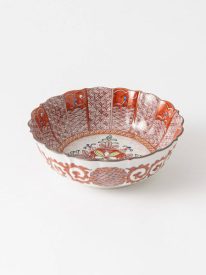 Akae Kutani Serving Bowl
 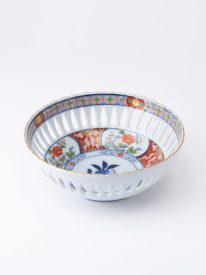 Yazaemon Lace Cut Large Bowl
 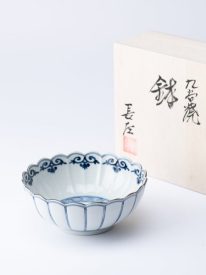 Myousen Toubou Auspicious Bird Chrysanthemum Kutani Bowl 6.1 in
 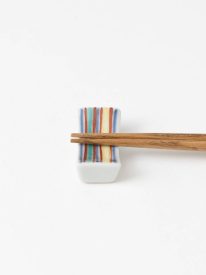 Colorful Stripe Chopstick Rest
 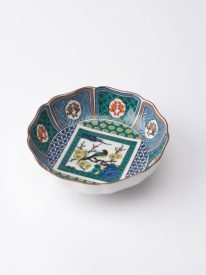 Plum and Birds Kutani Japanese Bowl
 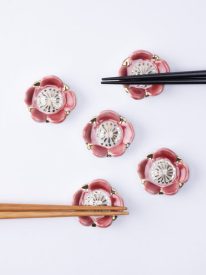 Pink Plum Blossom Kyo Ware Chopstick Rest Set
 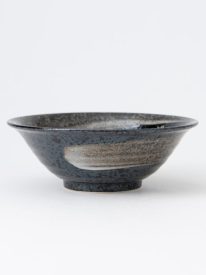 Brush Ramen Bowl M
 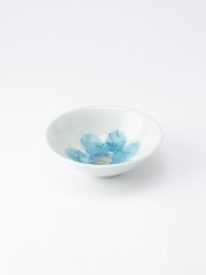 Light Fleur Kobachi Bowl
 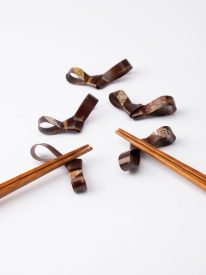 Yatsuyanagi Ribbon Akita Cherry Bark Work Chopstick Rest Set
 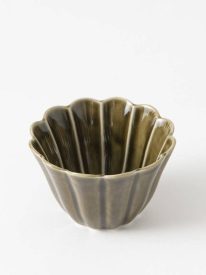 Kikuwari Khaki Kobachi Small Bowl 3.9in
 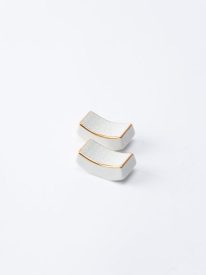 Syuzando White Shippou Kutani Chopstick Rest Set
 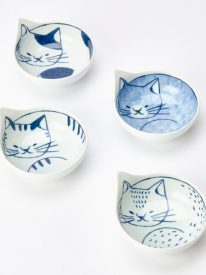 Coneco Cat Kobachi Small Bowl Set
 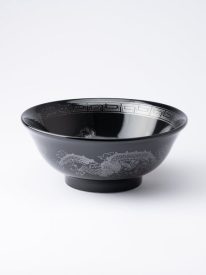 Silver Dragon Mino Ware Ramen Bowl M
 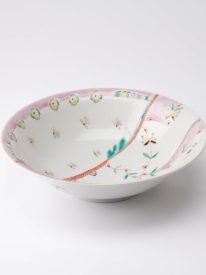 Flower World Large Bowl
 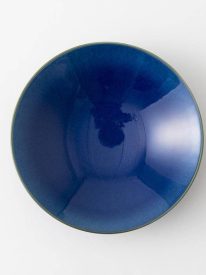 Grand Bleu Coop Deep Dinner Plate
 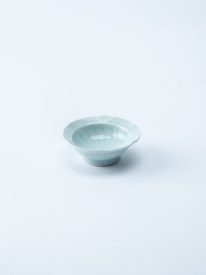 Kaiseki Swirl Pattern Kobachi Small Bowl
 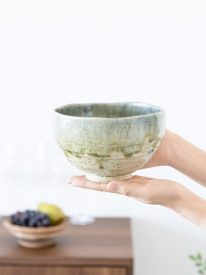 Green Ash Glaze Donburi Bowl L
 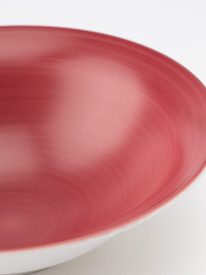 Japan Autumn Red Medium Bowl
 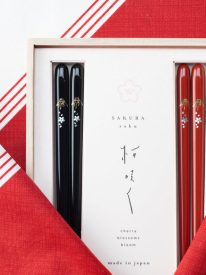 Matsukan Sakura Fuji Wakasa Lacquerware Set of Two Pairs of Chopsticks 23 cm (9.1 in) / 21.5 cm (8.5 in) with Chopstick Rests (Set of Two)
 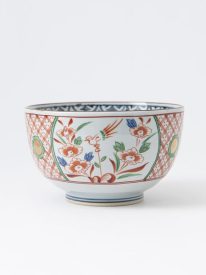 Nishiki Banreki Large Bowl
 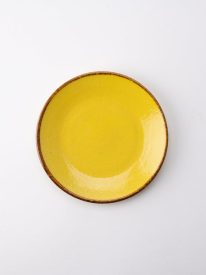 MERU Flamenco Modern Mino Ware Plate 6.7in
 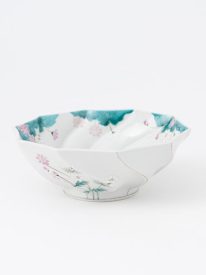 Cosmos Medium Bowl
  Taisho Roman Sakura Bowl