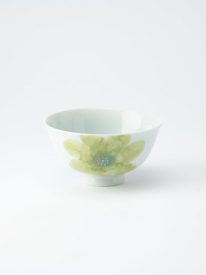
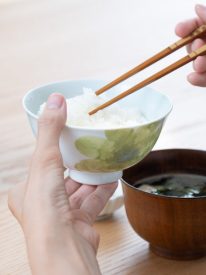
This charming Tobe ware Japanese rice bowl features a beautiful flower in a gentle light blue on the inside and a soft green on the outside. The subtle colors decorate the blooming flowers painted on a white porcelain canvas. Small dots painted in gold are scattered, adding a discreet accent to the overall design. Higashi Kiln employs…
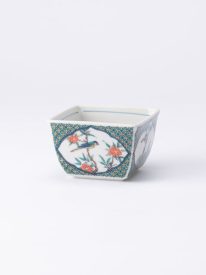
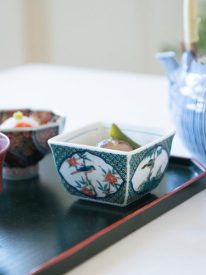
This kobachi small bowl features a bird resting on a branch with flowers. Kutani ware uses Japanese coloring paint, as you can see the painted bird is slightly thickened and standing out. Its size is suitable for serving appetizers, salad, and side dishes such as sunomono (vinegared food) and nimono (simmered food) for one person….
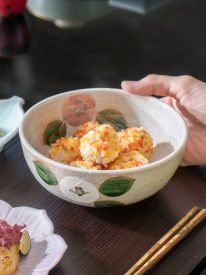
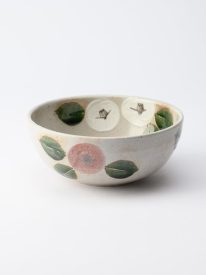
This bowl fascinates with its charming red and white camellia motif, reflecting the beauty of nature. Tsujii Musashi, the artisan behind the kiln, draws inspiration from his surroundings to create pieces that embody a subtle, rustic elegance. The bowl’s refined appearance is further enhanced by gohondenatural pinkish spots that emerge after the firing process. Its…
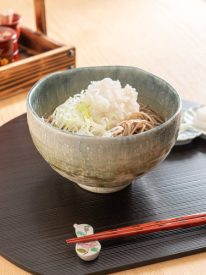
With its captivating green ash glaze and natural stoneware texture, this large donburi bowl exudes an organic charm and a comforting warmth, perfectly reflecting the artistry of the handmade process. The bowl is perfect for a variety of donburi dishes, such as gyudon and oyakodon, and for noodle dishes like udon or soba. With its…
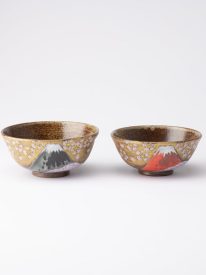
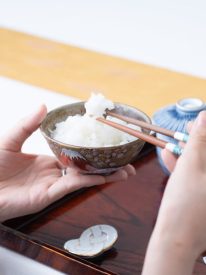
This beautiful pair of rice bowls depicts a spring scene of Mt. Fuji in springtime. It is painted by Kutani Ware artist Yoshinori Fukuda. The golden glow of the warm sunlight, the fluttering petals of the Sakura(cherry blossoms), and the majestic Mt Fuji will make you feel refreshed and special every time you use this…
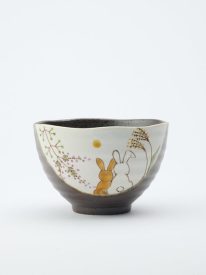
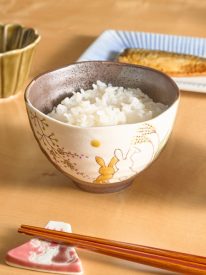
This rice bowl showcases a delightful illustration of two adorable rabbits snuggled together surrounded by vibrant bush clover and miscanthus grass. Expertly shaped on a potter’s wheel, the bowl offers a warm and comfortable feel when held in your hands. The soft, soothing depiction of the rabbits harmonizes with the traditional stoneware’s rich brown and white…
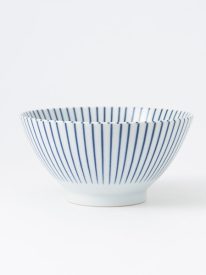
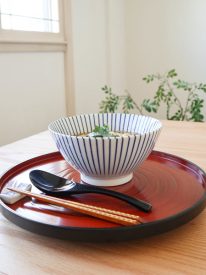
This large-sized Japanese donburi bowl features a traditional Japanese pattern called tokusa “horsetail” in blue on white porcelain. The simple yet memorable design makes it suitable for any table setting. The bowl is perfect for gyudon, oyakodon, and other donburi dishes. It can also be used to serve noodle dishes like udon or soba. With its…
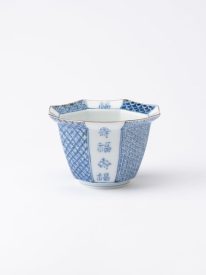
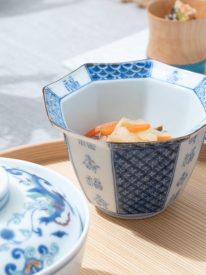
This kobachi small bowl is adorned with a fukuju pattern in the style of old Imari. Fukuju symbolizes happiness and longevity, with the design rooted in this auspicious character. The bowl has an octagonal shape with an outward-extending rim. Its depth makes it ideal for serving soupy dishes, as well as appetizers and desserts.
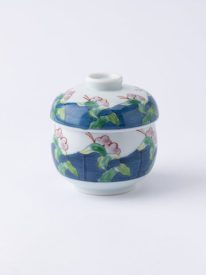
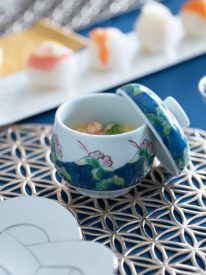
This chawanmushi (Japanese steamed egg custard) bowl has a purple flower painting in a round form. If you make chawanmushi with it, you can enjoy the authentic taste of this delicious egg custard and the atmosphere of a Japanese restaurant. When the lid is removed, the bowl can also be used as a small kobachi…
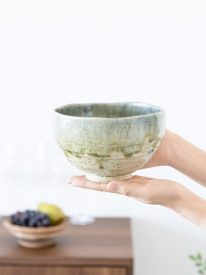
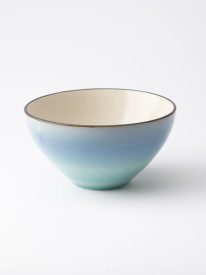
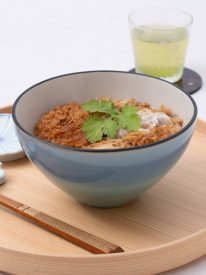
Elegant and modern, this medium bowl features a stunning gradient of blue hues. This donburi bowl showcases the distinctive crack-like texture of kannyu, a crazed surface formed by the differing expansion rates of clay and glaze. These delicate patterns add depth and character to the design. In addition to its striking appearance, the bowl is highly…
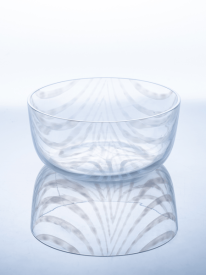
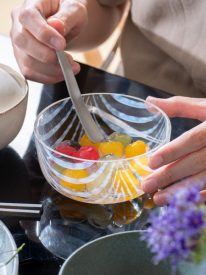
This is a glass bowl with makiage pattern from the Taisho Roman glass series by Hirota Glass, a long-established glass manufacturer in Tokyo. Makiage is a traditional tie-dyeing technique used in kimono making. This method creates intricate patterns that convey an aura of elegance and grace. This pattern is created by the aburidashi “invisible ink” technique,…
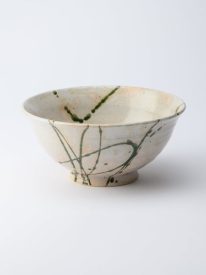
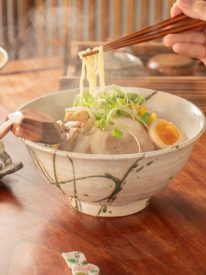
This donburi fascinates with its elegant water plant motif, highlighted with brown splashes. The green glaze and abstract brushstrokes are characteristic of Yashichida Oribe ware. Tsujii Musashi, inspired by nature, infuses his creations with a subtle, rustic charm. The bowl’s refined beauty is further enhanced by gohondedelicate pinkish spots that appear naturally after the firing…

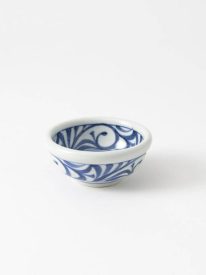 Arabesque Kobachi Small Bowl