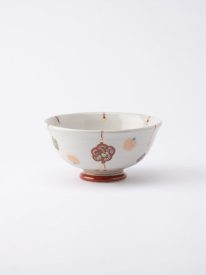
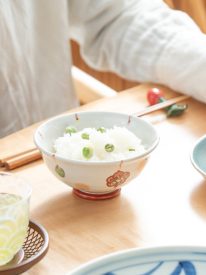
This small rice bowl is decorated with gorgeous and lovely mizuhiki motif. The colorful knots give the bowl a nostalgic and graceful feeling.Kanazawa, the birthplace of Kutani ware, is known for its unique and rare traditional craft called Kaga Mizuhiki. Made by Kokuzou Kiln, known for the gentle and warm stoneware with beautiful colors and elegant…
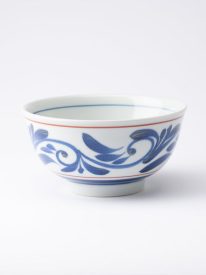
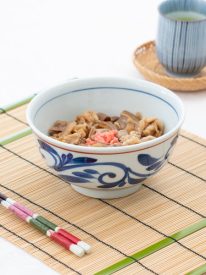
Featuring a hand-painted arabesque pattern, this regular-sized donburi bowl showcases a classic motif of Tobe ware. The horizontal red lines bring a striking touch to the design. It’s perfect for serving noodles such as ramen, udon, or soba. Using this bowl to savor different kinds of noodles will undoubtedly add a touch of traditional charm…
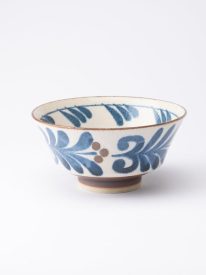
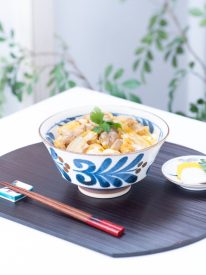
As suggested by its name nanpu, meaning “southern winds,” this bowl features a design that evokes the feeling of a warm breeze. The brush works in blue and brown symbolizing the wind blowing, give the design a natural comfort. The slightly warped rim allows for easy stacking with bowls of the same shape, ensuring convenient storage….
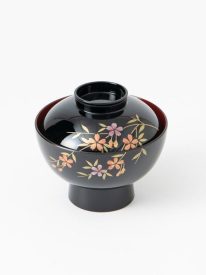
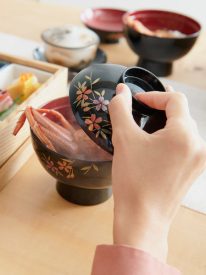
This is a large soup bowl with a lid. The glossy texture of the surface is beautiful, and the painting of colorful sakura flower give it an elegant atmosphere. The elegant design with tall footing and lid, it is an ideal soup bowl for ceremonial occasion. At New Year’s in Japan, people enjoy a traditional soup…
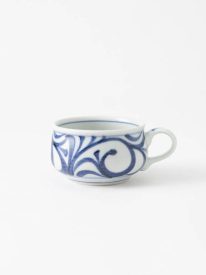
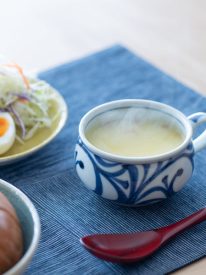
This small soup cup showcases a classic arabesque pattern, one of the defining motifs of Tobe ware. The indigo shade lends a modern touch, while the hand-painted nature motifs bring a sense of warmth and craftsmanship to each piece. With its soft, rounded shape, this cup creates a cozy, relaxing ambiance. While designed for soup,…
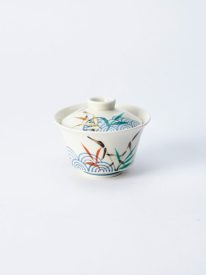
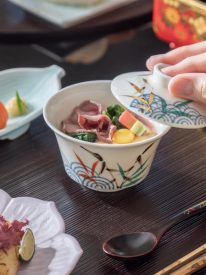
Enjoy delicious chawanmushi, Japanese steamed egg custard, in this beautiful Arita ware chawanmushi bowl. A symbol of good fortune, the traditional seigaiha “wave” pattern with its expanding, layered semi-circles graces the cup and lid of this chawanmushi bowl. Soft brushstrokes transition into slender stalks of reed grass. Its spouted shape can also accommodate other steamed…
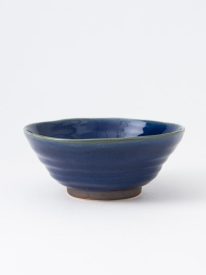
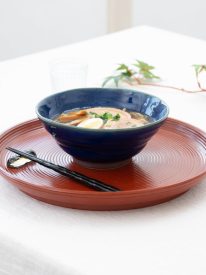
This bowl features a stunning glossy indigo glaze. The hand-shaped rim, crafted on a potter’s wheel, showcases graceful organic lines that give the bowl a unique rustic elegance. Its lustrous finish adds a layer of sophistication, enhancing your dining experience. It’s perfect for serving noodles such as ramen, udon, and soba. Its size also makes…
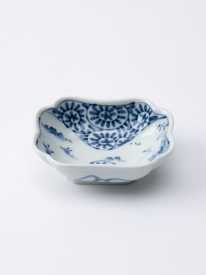
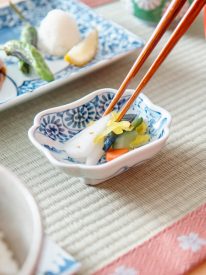
This indigo-dyed, rectangular kobachi small bowl is crafted by Takayama, a renowned maker of Hasami porcelain. The interior of the plate is delicately decorated with a serene landscape scene, beautifully framed by the traditional octopus arabesquetako karakusapattern. This design, featuring endlessly winding vines, has long been cherished in Japan as an auspicious motif symbolizing longevity and…
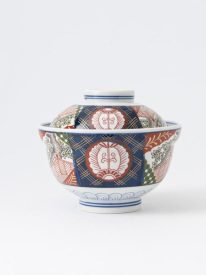
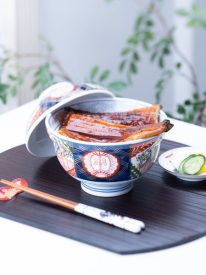
This large-sized Japanese donburi rice bowl features sakura, or cherry blossoms, framed by dark blue, lattice-like patterns, all rendered in the traditional nishiki-e style. Nishiki-e, meaning “brocade picture,” is a multi-colored woodblock print technique that revolutionized ukiyo-e during the Edo period (1603 CE-1868 CE), when most prints were in black and white. The lid helps keep…
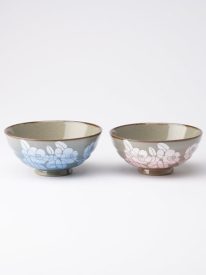
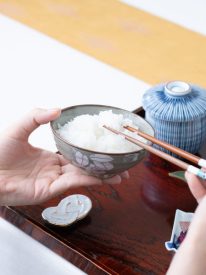
A beautiful pair of rice bowls with a pink and blue sasanqua motif. It is beautifully applied Ginsai, the Kutani ware technique by which five-color glaze is applied over silver foil. The cracks on the surface are created by the traditional technique of “Kannyu” (penetration), which allows you to enjoy the beauty of handcrafting.The shape made on…
A gorgeous Japanese bowl with intricate paintings by hand. The detailed drawings in the Iidaya/Akae style of Kutani ware are truly remarkable. Not only does it have a beautifully detailed pattern on the inside, but also the patterns on the outside make it a beautiful bowl from every angle. The size is suitable for serving…
This regular-sized Japanese donburi rice bowl features sakura, or cherry blossoms, framed by dark blue, lattice-like patterns, all rendered in the traditional nishiki-e style. Nishiki-e, meaning “brocade picture,” is a multi-colored woodblock print technique that revolutionized ukiyo-e during the Edo period (1603-1868 CE), when most prints were in black and white. The bowl is perfect…