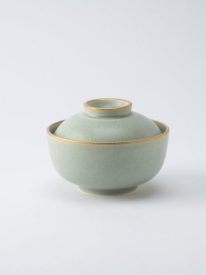
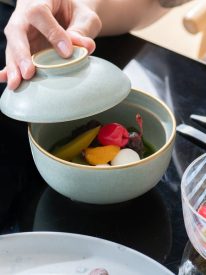
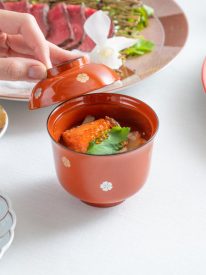
Kobachi bowl with a lid by MERU, a Mino ware brand.The shape used decades ago as traditional Japanese restaurant tableware has been rearranged in a modern way. The expression of light green color and ingenious design give it a refined impression.Luxurious pure gold is used for the overglaze painting, and the high quality gold allows…
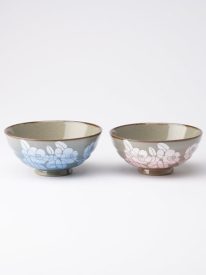
A beautiful pair of rice bowls with a pink and blue sasanqua motif. It is beautifully applied Ginsai, the Kutani ware technique by which five-color glaze is applied over silver foil. The cracks on the surface are created by the traditional technique of “Kannyu” (penetration), which allows you to enjoy the beauty of handcrafting.The shape made on…
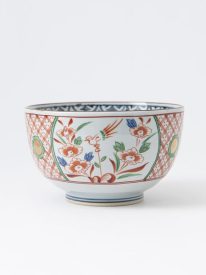
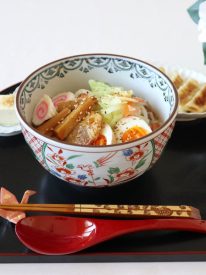
This large donburi bowl features a stunning flower garden design nestled between a lattice-like pattern. The focus on red and green against a pure white base, appears even more vibrant with the addition of blue accents and subtle gold details. The painted design is rendered in a combination of styles inspired by nishiki-e and banreki….
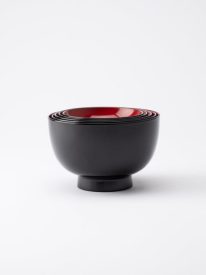
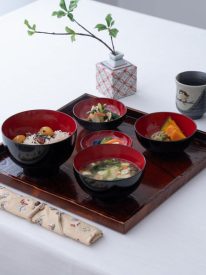
While utilizing Yamanaka lacquerware techniques, this product is made of resin, and is recommended for those who want to enjoy “Oryoki” in a casual manner. The combination of black on the outside and red on the inside is chic and glamorous, and is recommended not only for daily use but also when entertaining guests. In…
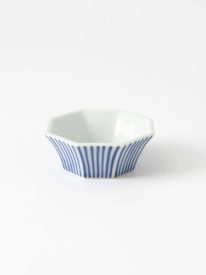
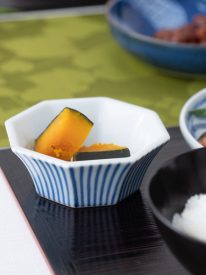
This octagonal kobachi small bowl features simple blue tokusa stripes shaded with delicate hand-painting. Tokusa, known as the horsetail plant, symbolizes longevity in Japanese culture. The indigo shade adds a modern touch, while the natural motif conveys the warmth of hand-painted craftsmanship. Perfect for serving small portions of side dishes like tangy sunomono or simmered nimono, it also…
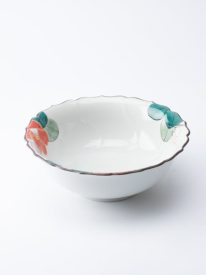
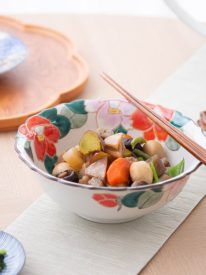
This is a beautiful bowl with a bright camellia flower. It will be your indispensable pair for the table setting. The rim is shaped unevenly waved, brings out the beauty of hand painting with Japanese coloring paint, which is one of the remarkable features of Kutani ware. Kutani ware uses a brush for painting with…
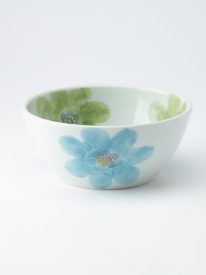
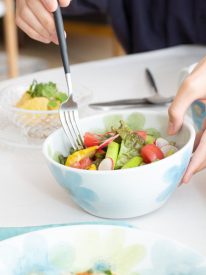
This delightful Tobe ware donburi bowl features soft floral patterns in shades of grassy green and light blue, with subtle gold accents. Applied through the unique washi-zome technique, the floral design brings a watercolor-like softness to the white porcelain surface. With a 16.7 cm (6.6 in) diameter, it’s perfect for serving salads, soups, and noodles….
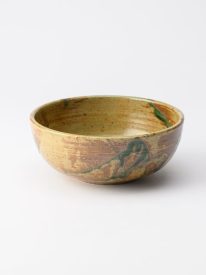
This bowl fascinates with its elegant water plant motif, highlighted with brown splashes. The green glaze and abstract brushstrokes are characteristic of Yashichida Oribe ware. Hand-crafted, this bowl reflects nature’s rustic beauty by accentuating the rokurome, or the rhythmic marks made by the potter’s wheel, which add a special texture and warmth. Its lightweight design…
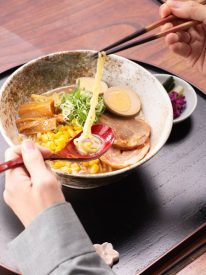
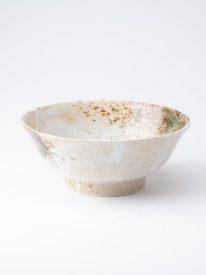
This regular-sized ramen bowl showcases the soft, earthy tones of Shino ware, with shades of brown and green blending seamlessly into a white base. It features a generous application of white glaze, creating a speckled appearance, while the unglazed areas highlight a beautifully rough texture. Originating in Gifu Prefecture during the Azuchi-Momoyama period (1573 CE-1603…
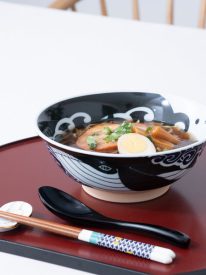
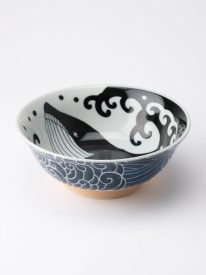
This regular-sized Japanese ramen bowl boasts a captivating design, featuring a whale swimming gracefully through the ocean, surrounded by waves and splashes. The artwork is primarily depicted in black, while the wave patterns on the exterior are elegantly brushed in shaded indigo blue. Its size and shape are perfect for ramen and other noodle dishes…
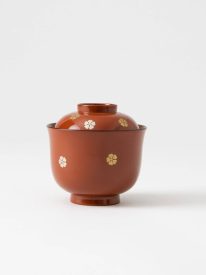
This small bowl features a lovely gold and silver decoration of cherry blossoms.Cherry Blossom symbolizes ” inner beauty”, “elegance” and “good education” in Japan. It would be a perfect gift for your loved one or as a gift for yourself. Since lacquer ware is made of wood, it has a low heat tradition rate and…
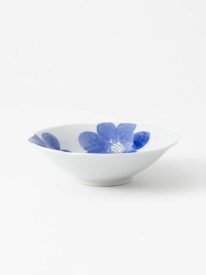
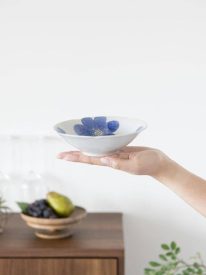
This beautiful bowl features soft blue flowers as if painted with watercolors. The bright design and shape of the rim resembles blooming flowers, bringing joyful atmosphere on the table. It is painted by the female artist, Alyne Ohigashi, who was born in Philippines. She uses a unique technique called washi-zome (Japanese paper dyeing) and continues her…


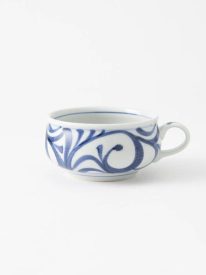 Arabesque Soup Bowl
 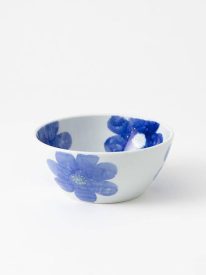 P.S. Blue Donburi Bowl M