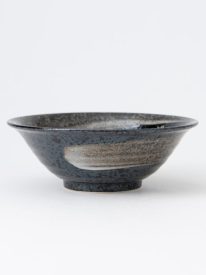
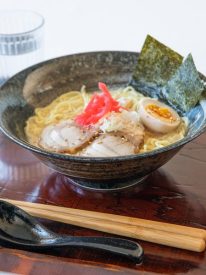
Imbued with a dark elegance, this regular-sized ramen bowl adds a refined, upscale touch to any meal. The glossy black glaze, accented with a subtle metallic iridescence, serves as the perfect canvas for bold, impressionistic brushstrokes in brown and white, creating a striking visual statement. Crafted on a potter’s wheel, the bowl has a satisfying…
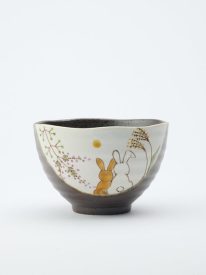
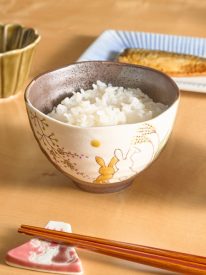
This rice bowl showcases a delightful illustration of two adorable rabbits snuggled together surrounded by vibrant bush clover and miscanthus grass. Expertly shaped on a potter’s wheel, the bowl offers a warm and comfortable feel when held in your hands. The soft, soothing depiction of the rabbits harmonizes with the traditional stoneware’s rich brown and white…
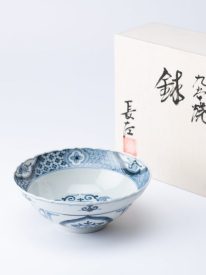
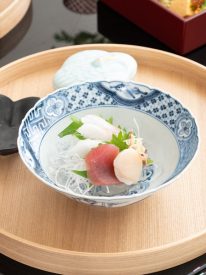
This bowl showcases exquisite sometsuke designs hand-painted by master craftsman Yamamoto Choza. Detailed depictions of ancient treasures are believed to invite good fortune and prosperity. On the bottom of the bowl is the fuyode pattern, named after the Japanese word for cotton rose, with petal-like windows embellished with auspicious motifs. The intricacies of each design…
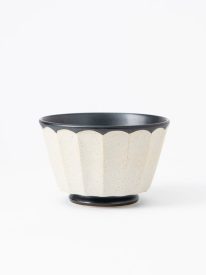
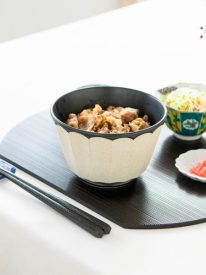
This regular-sized donburi bowl features a smooth, matte black glaze on the outer rim and inner surface, creating a striking contrast with the textured, natural clay on the faceted exterior. This combination of materials offers both a refined tactile experience and a visually sophisticated appeal. Its depth and straight sides help retain the food’s warmth…
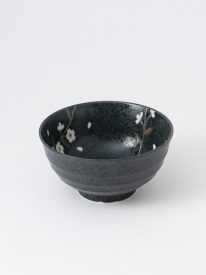
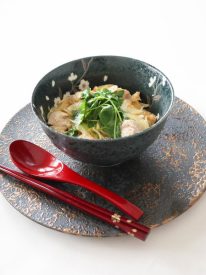
This regular-sized donburi bowl with white sakura on a black background resembles cherry blossoms at night, and conveys a traditional and elegant feel. Cherry blossoms not only symbolize beauty in Japan but also embody deep cultural significance. It is shaped with a potter’s wheel and has the warmth of a handmade product adding a touch…
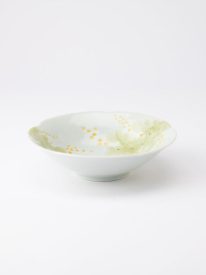
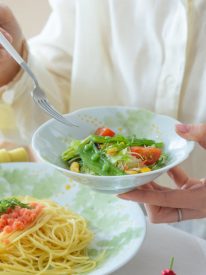
A beautiful mimosa design is painted on a white porcelain canvas. In places, small dots painted in gold are scattered throughout the design, adding a discreet accent to the overall design. The refreshing impression of this bowl will enlighten your table. It is painted by the female artist, Alyne Ohigashi, who was born in Philippines…
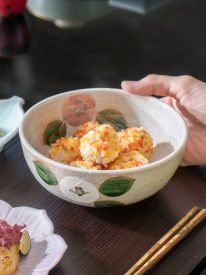
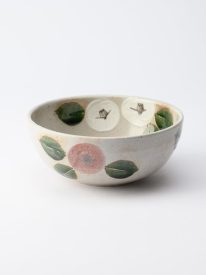
This bowl fascinates with its charming red and white camellia motif, reflecting the beauty of nature. Tsujii Musashi, the artisan behind the kiln, draws inspiration from his surroundings to create pieces that embody a subtle, rustic elegance. The bowl’s refined appearance is further enhanced by gohondenatural pinkish spots that emerge after the firing process. Its…
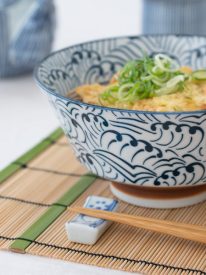
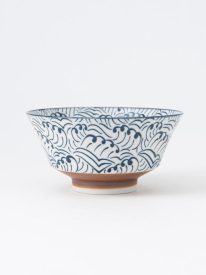
This regular-sized ramen bowl showcases a traditional seigaiha, or “wave” pattern in rich indigo blue, a motif that symbolizes good fortune in Japanese culture. Ideal for serving ramen, udon, or soba, this bowl enhances the presentation of your favorite noodles while bringing a touch of elegance and tradition to your table. Its versatile design also…
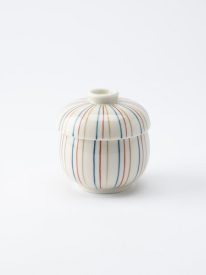
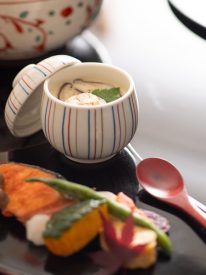
Enjoy delicious chawanmushi, Japanese steamed egg custard, in this beautiful Arita ware chawanmushi bowl. This Chawanmushi bowl is painted in the “Tokusa (Horsetail)” pattern which is a classic motif that has been beloved since the Edo period (1603 CE – 1867 CE). Its straight-growing appearance symbolizes wishes for growth and prosperity. And the three subdued colors…
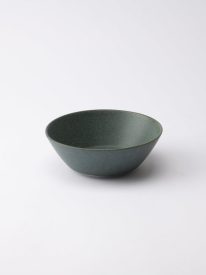
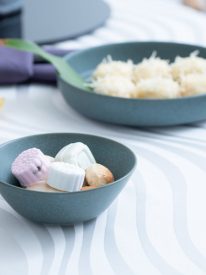
This bowl from the Jade series features a moody green color, reminiscent of a deep forest. Instead of shiny, bright gems, the design is chic and modern, featuring subdued tones and matte textures like Jade gemstones. The deep green tones go well with warm-colored foods such as red, yellow, and orange. Even a few bright colors,…
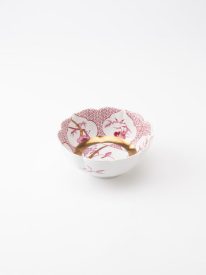
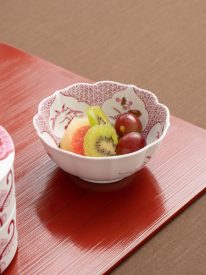
Hundreds of years of skill and technique are carefully crafted in this hand-size kobachi small bowl in wine red. The design is arranged with traditional auspicious patterns, making the tableware suitable for the modern dining scene. The sides of the bowl are shaped like the petals of a flower giving the bowl an elegant look….
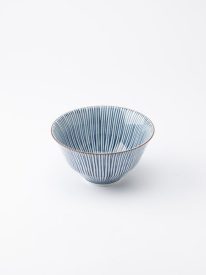
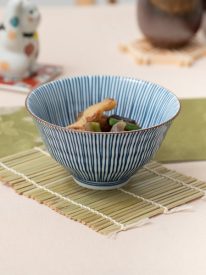
This small-sized donburi bowl from Fukuhou Kiln features the traditional Japanese tokusa “horsetail” pattern. Its depth helps retain the food’s warmth while adding a touch of style and practicality. Beloved since the Edo period (1603 CE-1868 CE), this pattern of straight vertical lines is inspired by the Japanese plant tokusa, known in English as rough…

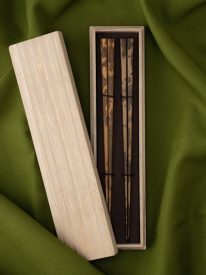 Matsukan Square Zumen Kyoto Bamboo Wakasa Lacquerware Chopsticks Set of Two Pairs of Chopsticks 24 cm (9.4 in)
 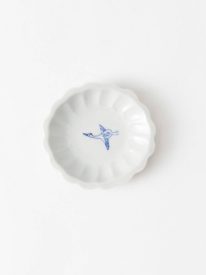 Chrysanthemum and Crane Sauce Plate
 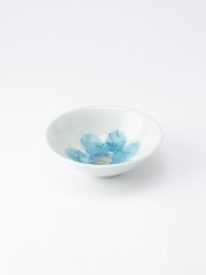 Light Fleur Kobachi Bowl