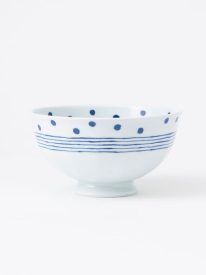
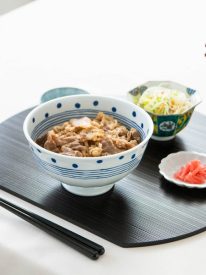
Adorned with blue lines with a hand-drawn feel and charming dots along both the inner and outer rims, this regular-sized donburi bowl has a simple yet modern look. This piece also has a pleasant weight and warmth to the touch that make it a delight to hold in one’s hands. The bowl is perfect for…
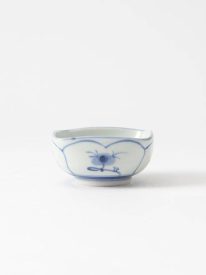
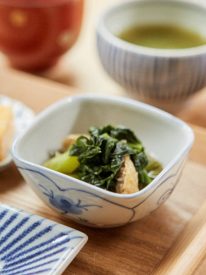
This kobachi small bowl is a beautifully decorated item reflecting the high-quality craftsmanship handed down for generations within Arita Porcelain Lab’s long history. The technique displayed in this bowl is called somenishiki where the bowl is first glazed with white and blue patterns and then is further decorated with detailed hand painted drawings. The character in a…
This rice bowl boasts a slender, modern design that pairs well not only with rice but also with a variety of dishes. Its deep shape makes it perfect for single servings of salad, cut fruit, or even dry snacks. The small footing and slim profile give the bowl a taller, more contemporary appearance. Serving a…
This bowl showcases dreamy patterns delicately painted by the artisans of Ginshu Kiln, renowned for its romantic and playful pastel-colored designs. The painted areas have a slightly raised texture, a characteristic of Kutani ware, which is traditionally hand-painted using Japanese coloring pigments and a brush. Its versatile size makes it perfect for serving salads, appetizers,…
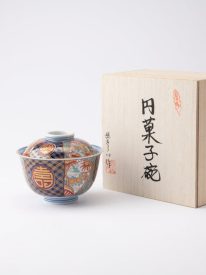
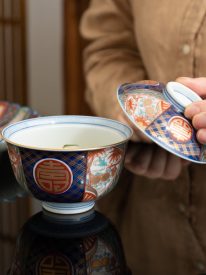
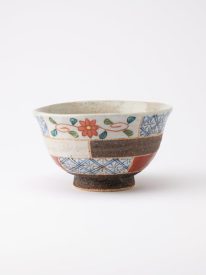
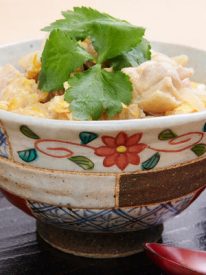
This regular-sized donburi bowl features charming floral and geometric patterns composed in an inventive tile-like design. Adorned with various auspicious patterns, each symbolizing continuity and prosperity, the design carries the hopeful wish for everlasting good fortune. Its depth and straight sides help retain the food’s warmth while adding a touch of style and practicality. Handcrafted…
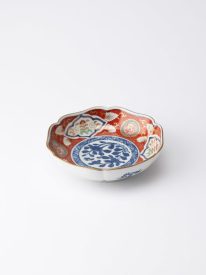
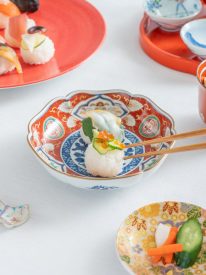
This mokko-shaped small bowl features a modern interpretation of the traditional classic patterns of old Imari. Mokko is the name for a round squarish shape and is considered an auspicious shape which represents family prosperity. “Aka” means red and “dami” is the name for the technique where the artist first outlines the area to be…
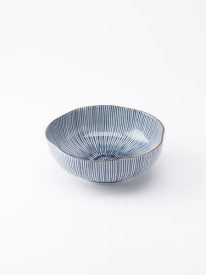
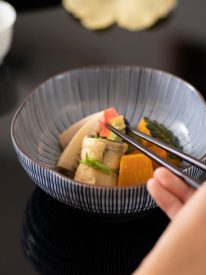
This bowl is designed with a “Tokusa” pattern drawn by hand with a broom-like brush to make the thin blue lines centering to the middle of the bowl. Originally made in the size to serve a single portion of sashimi or pickled vegetables in a traditional style meal at a tea ceremony, it can be…
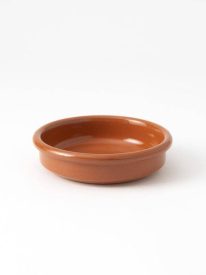
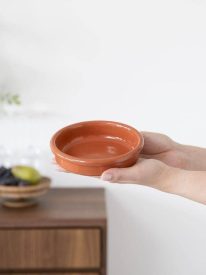
The warm reddish-brown color and rustic texture enhance the dining experience, seamlessly complementing any table setting. Versatile and durable, this deep side plate is perfect not only for traditional Japanese cuisine but also for a variety of dishes, including Spanish and Southern European specialties like ajillo and tapas. Additionally, its heat-resistant design allows for direct…
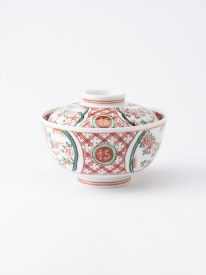
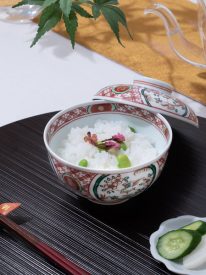
This is a kobachi small bowl with a lid, crafted from Arita ware porcelain. The bowl features a delicate design of flowers and grasses, decorated using the akae technique (overglaze red enamel), with red as the primary color, complemented by accents of green, purple, blue, and other shades. The same elegant pattern is painted on…
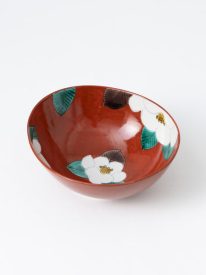
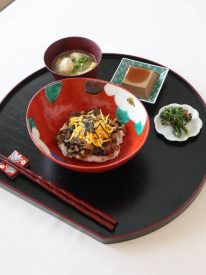
This is an oval bowl with a beautiful camellia in vermilion. Each piece is hand-painted by brush, using Japanese coloring paint which is one of the remarkable features of Kutani ware, as you can see the painted part is slightly thickened. The size is perfect for serving salad, appetizers such as Nimono(simmered food), pasta and…
This kobachi bowl features a delicate pattern of shepherd’s purse, a plant that becomes even more distinctive as its heart-shaped seed pods appear. Known as nazuna in Japanese, it’s considered an auspicious symbol believed to ward off evil spirits. The indigo design brings a modern touch while preserving the charm of hand-painted craftsmanship. The size…
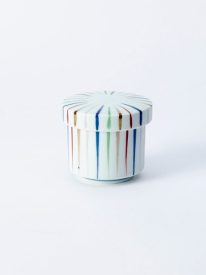
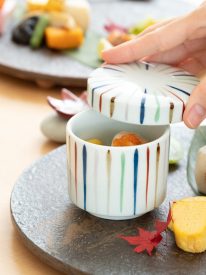
Enjoy delicious chawanmushi, Japanese steamed egg custard, in this beautiful Arita ware chawanmushi bowl. Painted with a straw pattern called mugiwarade, rendered here in several delicate colors creating a feeling that is both intriguing and subdued. Each brush stroke starts out thick and tapers out at the end, which adds a subtle interest to this…

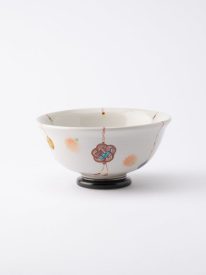 Kokuzou Kiln Mizuhiki Kutani Japanese Rice Bowl L - Black
 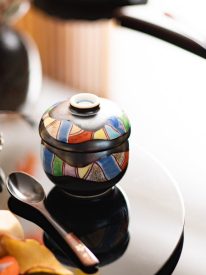 Tenmoku Color Stripe Chawanmushi Bowl
 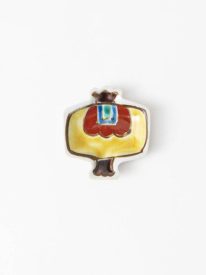 Mallet of Luck Sauce Plate
 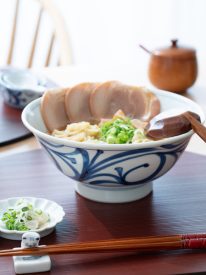 Arabesque Ramen Bowl S
 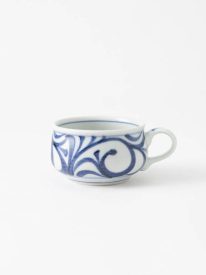 Arabesque Soup Bowl S
 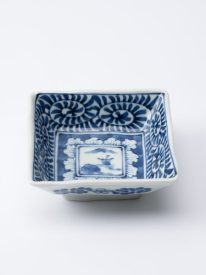 Landscape and Vines Square Kobachi Small Bowl
 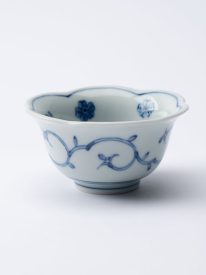 Petaled Rim Peony Kobachi Small Bowl
 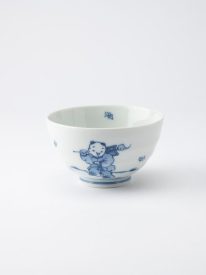 Karako Rice Bowl
 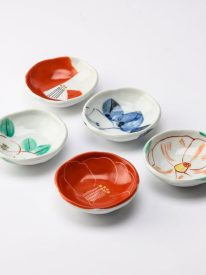 Camellia Sauce Plate Set
 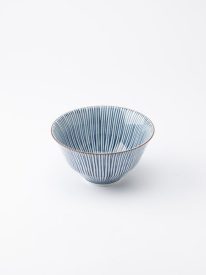 Fukuhou Kiln Tokusa Hasami Donburi Bowl S
 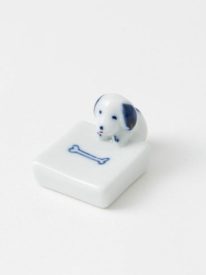 Dog MATE Chopstick Rest
 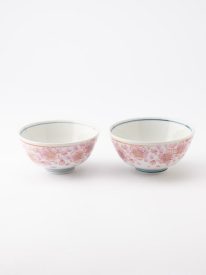 Sakura Kutani Japanese Rice Bowl Pair
 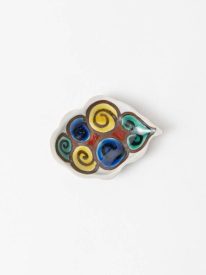 Iridescent Clouds Sauce Plate
 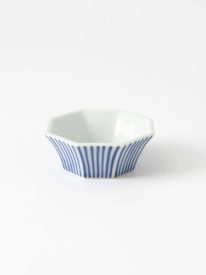 Tokusa Octagon Kobachi Small Bowl
 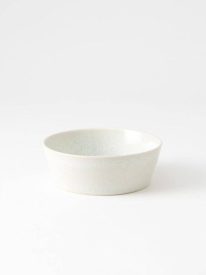 Sahara Medium Bowl