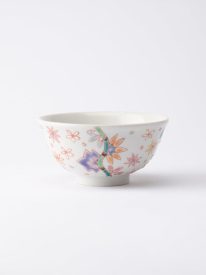
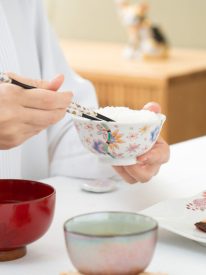
This rice bowl features flowers in full bloom, delicately painted by artisans of Ginshu Kiln, which is especially known as its romantic and playful pastel colored painting. The painted areas have a slightly raised texture, a characteristic of Kutani ware, which is traditionally hand-painted using Japanese coloring pigments and a brush. With a diameter of 10.8…
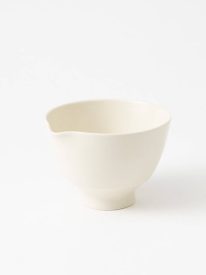
This Japanese bowl with spout from the “Une” series is made by Taniguchi Seidojo, which has been making Kutani ware clay for three generations. The carefully selected clay of Kutani ware, known as Hanasaka ceramic stone, is inevitably discarded during the clay making process. The silky, transparent, beautiful beige glaze was created to make the…
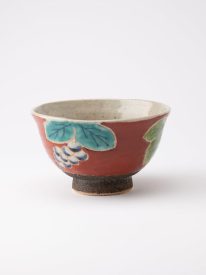
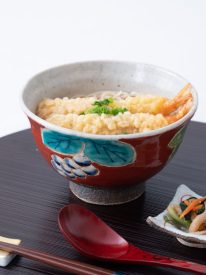
This regular-sized donburi bowl features a deep color scheme of dark red and vibrant green with a charming design of grapes and grape leaves. It showcases the striking kannyu texture, in which delicate, crack-like crazing patterns are formed beneath the glaze. Its depth and straight sides help retain the food’s warmth while adding a touch…
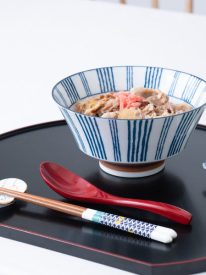
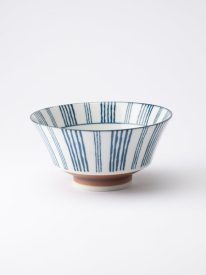
This regular-sized Japanese ramen bowl showcases a timeless blue-striped pattern that enhances a variety of table settings. Its sleek, straight silhouette offers a contemporary aesthetic, making it a standout choice among ramen bowls. With their irregular hand-painted touch, the vertical stripes follow the beautifully flared shape of the bowl accentuating the overall design. The inner…
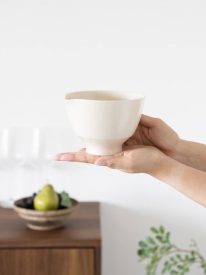
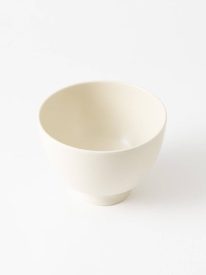
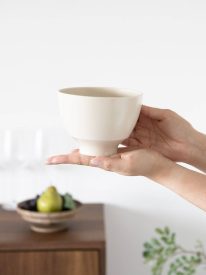
This small-sized donburi bowl exudes sophistication with its elegant form, gentle off-white glaze, and delicate matte texture. It is part of the “Une” series, which blends contemporary aesthetics with the timeless tradition of Kutani ware porcelain. A significant portion of the carefully selected clay for Kutani ware, known as Hanasaka ceramic stone, is discarded during…
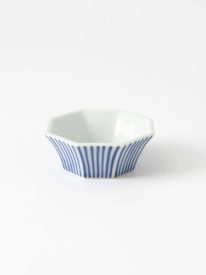
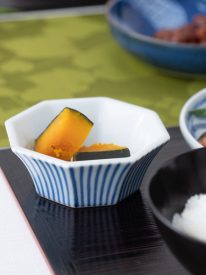
This octagonal kobachi small bowl features simple blue tokusa stripes shaded with delicate hand-painting. Tokusa, known as the horsetail plant, symbolizes longevity in Japanese culture. The indigo shade adds a modern touch, while the natural motif conveys the warmth of hand-painted craftsmanship. Perfect for serving small portions of side dishes like tangy sunomono or simmered nimono, it also…
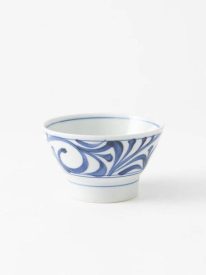
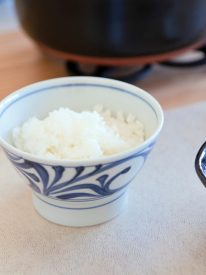
This rice bowl showcases an arabesque pattern, one of the representative motifs of Tobe ware. Its indigo shade adds a modern touch, while the hand-painted nature motifs bring warmth and character to each piece. The high footing makes it easy to hold, adding praticality to its charm. Perfectly sized for a single serving of rice,…
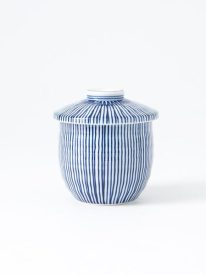
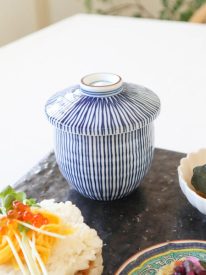
This chawanmushi (Japanese steamed egg custard) bowl has a simple and modern design which looks great on any table. If you make chawanmushi with it, it will give you the authentic taste and atmosphere of a Japanese restaurant. When the lid is removed, it can also be used as a teacup. The Tokusa series by the…
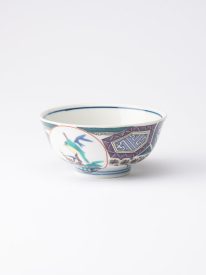
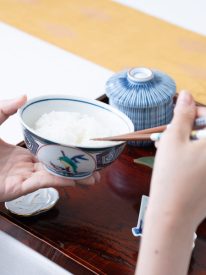
This Japanese rice bowl has a typical design of the Ko-Kutani (old Kutani) style dating back to mid-17th century, depicting the nature-themed motif and traditional patterns and distinctive bright colors of Kutani ware. It is painted with the five colors of red, yellow, green, purple and dark blue, known as “Go-Sai” in Japanese. Kutani ware uses…
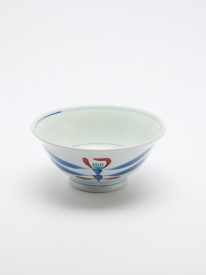
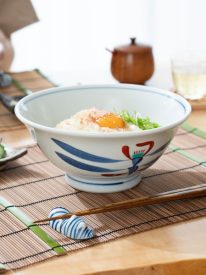
The hand-painted motif on this donburi bowl gracefully transitions between a flower and a dragonfly. The charming design is rendered in blue and red on white porcelain. Created using the tsuketate technique, where each stroke is applied without outlines, the design wins you over with its hand-painted touch and genuine creativity. The sturdy bowl is…
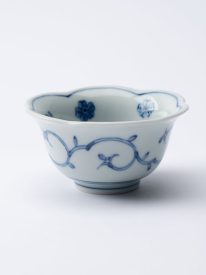
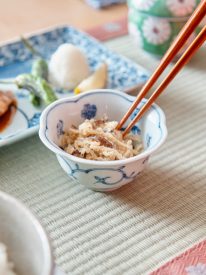
This elegant petal-rimmed kobachi small bowl is crafted by Takayama, renowned for Hasami porcelain. In the classic blue and white of sometsuke, it features an interior pattern of a blooming peony surrounded by waves and gently falling sakura. The exterior is adorned with karakusa scrollwork of budding vines. This pattern has long been cherished in…
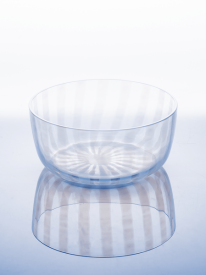
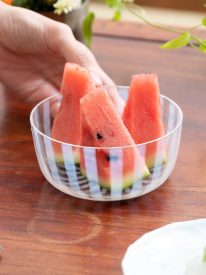
This is a glass bowl with the tokusa “horsetail” pattern from the Taisho Roman glass series by Hirota Glass, a long-established glass manufacturer in Tokyo. The tokusa motif, cherished since the Edo period (1603 CE-1868 CE), symbolizes growth and prosperity. Its straight, upward-reaching lines embody aspirations for success and flourishing, making it a beloved design through…

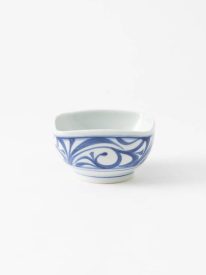 Arabesque Square Kobachi Bowl