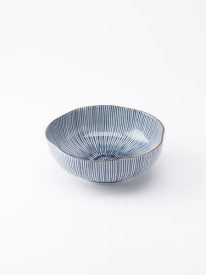
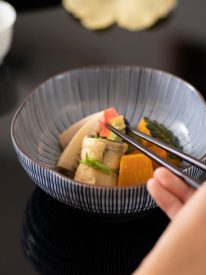
This bowl is designed with a “Tokusa” pattern drawn by hand with a broom-like brush to make the thin blue lines centering to the middle of the bowl. Originally made in the size to serve a single portion of sashimi or pickled vegetables in a traditional style meal at a tea ceremony, it can be…
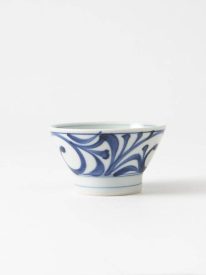
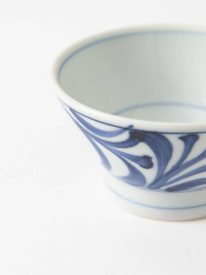
This kobachi small bowl features a beautiful arabesque pattern, one of the representative motifs of Tobe ware. The shade of indigo gives a sense of modern elegance. You can feel the warmth of hand-painting from the patterns using nature motifs. The size is perfect for a small portion of side dishes such as a tangy sunomono…
This large donburi bowl embodies the earthy textures and natural colors typical of Bizen ware. Its rough surface and stunning patterns, created by the kiln’s flames, highlight the “art of clay and fire.” The unglazed red clay, adorned with natural ash markings, offers a rugged, metallic feel. Bizen ware, one of Japan’s oldest ceramics, is…
This elegant Japanese soup bowl is handcrafted by Kinzan Kiln. The beautiful gradation expands your imagination, such as the sky’s azure, the cosmic blue, the hazy spring light, or the clear light of early summer. The pale colors and delicate gold are perfectly match in this piece. This series named “Ukiyo” was inspired by the…
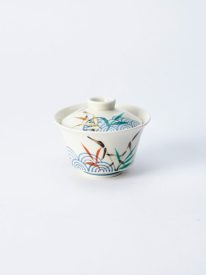
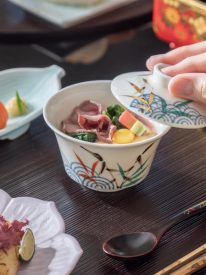
Enjoy delicious chawanmushi, Japanese steamed egg custard, in this beautiful Arita ware chawanmushi bowl. A symbol of good fortune, the traditional seigaiha “wave” pattern with its expanding, layered semi-circles graces the cup and lid of this chawanmushi bowl. Soft brushstrokes transition into slender stalks of reed grass. Its spouted shape can also accommodate other steamed…
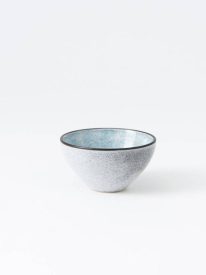
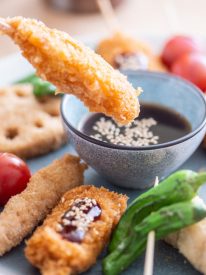
This simple and modern kobachi small bowl, featuring a beautiful bright blue color, is highly versatile. Perfect for serving side dishes or as a table accent, it can also be used to hold small portions of food or condiments. Placing it on a larger plate or inside a bento box instantly elevates food presentation, making…
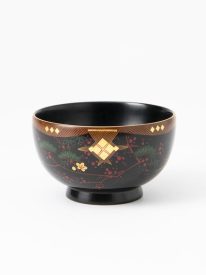
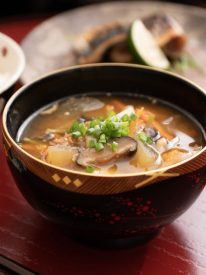
This soup bowl is hollowed out from Japanese horse chestnut, which is the best material for wood bowls. It has a slightly matte texture in calm black color.The lacquering process, from the base coat to the top coat, has been inspected for designation as a traditional Aizu lacquerware craft.Aizu-e, the traditional design of Aizu lacquerware,…
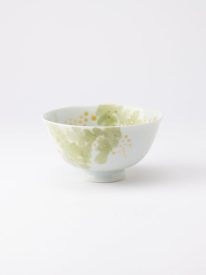
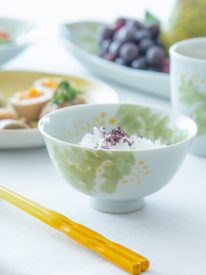
A beautiful mimosa design is painted on a white porcelain canvas. In places, small dots painted in gold are scattered throughout the design, adding a discreet accent to the overall design. The refreshing impression of this rice bowl will enlighten your table. It is painted by the female artist, Alyne Ohigashi, who was born in…
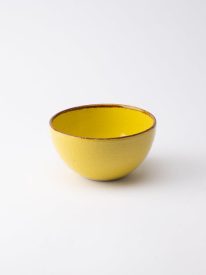
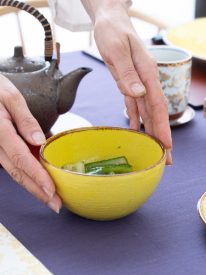
This beautiful yellow stoneware bowl is eye-catching. The bumpy surface is unique to stoneware which has a rustic, warm, and chunky texture. The brown glazed rim enhances the vividness of the yellow color. Measuring D12.3cm(4.8in), it is suitable for rice, fruit, soup, yogurt, etc. Flamenco is a series born from an exploration of “color”. The characteristic yellow…
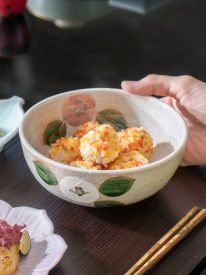
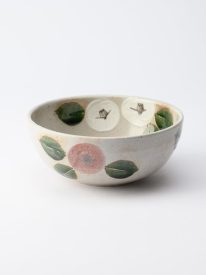
This bowl fascinates with its charming red and white camellia motif, reflecting the beauty of nature. Tsujii Musashi, the artisan behind the kiln, draws inspiration from his surroundings to create pieces that embody a subtle, rustic elegance. The bowl’s refined appearance is further enhanced by gohondenatural pinkish spots that emerge after the firing process. Its…
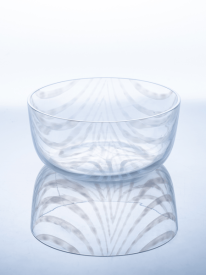
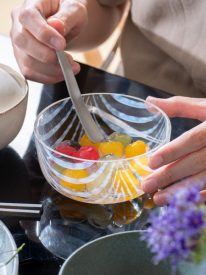
This is a glass bowl with makiage pattern from the Taisho Roman glass series by Hirota Glass, a long-established glass manufacturer in Tokyo. Makiage is a traditional tie-dyeing technique used in kimono making. This method creates intricate patterns that convey an aura of elegance and grace. This pattern is created by the aburidashi “invisible ink” technique,…
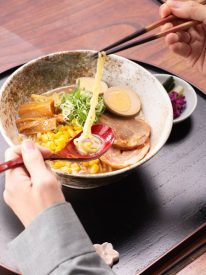
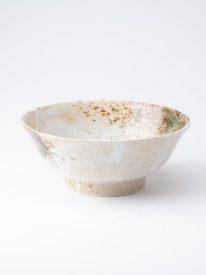
This regular-sized ramen bowl showcases the soft, earthy tones of Shino ware, with shades of brown and green blending seamlessly into a white base. It features a generous application of white glaze, creating a speckled appearance, while the unglazed areas highlight a beautifully rough texture. Originating in Gifu Prefecture during the Azuchi-Momoyama period (1573 CE-1603…

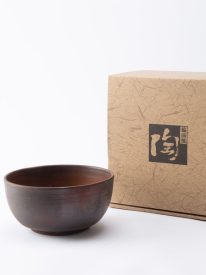
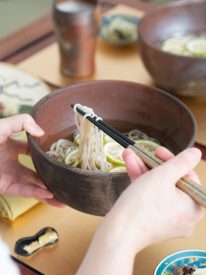
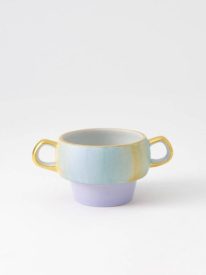
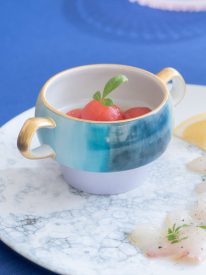
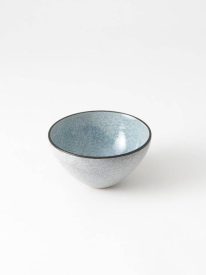 Raska Marin Modern Kobachi Small Bowl 4.7 in