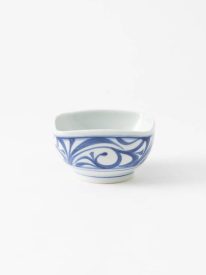
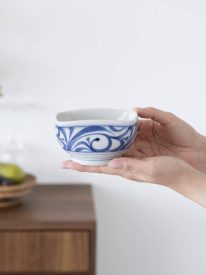
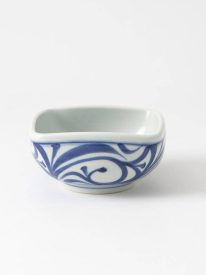
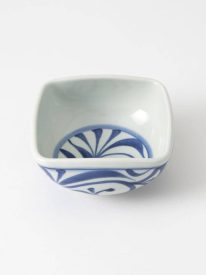
This small square kobachi bowl features a hand-painted arabesque pattern, one of the representative motifs of Tobe ware. The indigo shade adds a modern touch, while the natural motifs convey the warmth of hand-painted craftsmanship. It is ideal for serving various side dishes, such as tangy sunomono and slowly simmered nimono. The shape stands out…
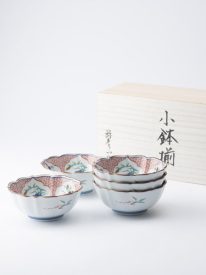
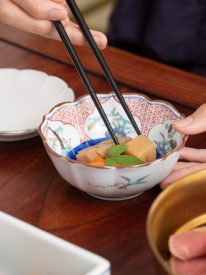
This set of five elegant kobachi small bowls are ideal for daily use and go well with any dishes such as boiled vegetables and simmered dishes. The rim of the bowls reminds us of flower petals. The shape of the bowl has been handed down from generation to generation in the Yazaemon Kiln. Items with distinctive…
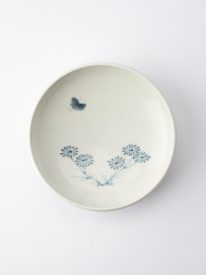
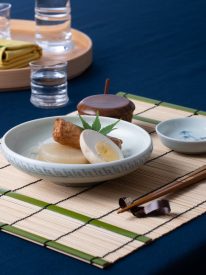
This is a serving bowl by Ri Sanpei (Yi Sam-pyeong) Kiln, a brand by the descendant of Yi Sam-Pyeong, the discoverer of white porcelain ore for Arita ware. It depicts a butterfly flying over a chrysanthemum flower, and the rim around it looks like a picture frame. The pattern is also drawn on the outside, making it…
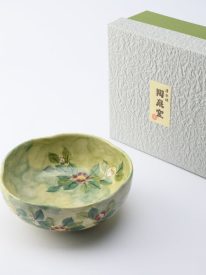
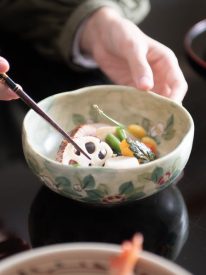
The meticulous camellia design, a masterpiece passionately developed by Taniguchi, graces this bowl from Tosen Kiln. Camellias, symbolic of both elegance and the enduring spirit of Japanese culture, are vividly presented. The leaves, seamlessly blending dark and light green shades, instill a sense of harmony. In contrast, the petals, painted with white and red…
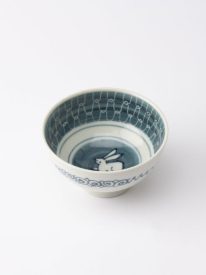
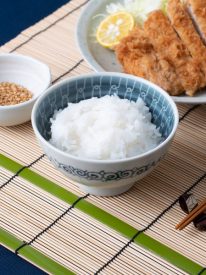
This is a Japanese rice bowl by Ri Sanpei (Yi Sam-pyeong) Kiln, a brand by the descendant of Yi Sam-Pyeong. Molded on the potter’s wheel, with handwritten rabbits and reticulated patterns, have an indescribably lovely atmosphere that soothes the hearts of those who see them. The rabbit in the center is drawn in a round…
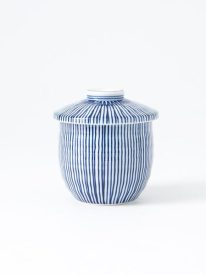
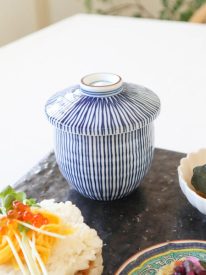
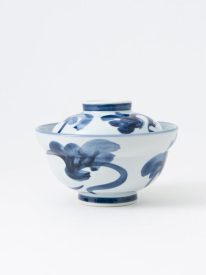
This chawanmushi (Japanese steamed egg custard) bowl has a simple and modern design which looks great on any table. If you make chawanmushi with it, it will give you the authentic taste and atmosphere of a Japanese restaurant. When the lid is removed, it can also be used as a teacup. The Tokusa series by the…
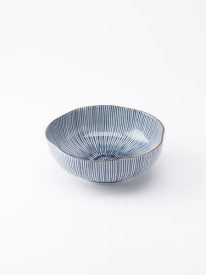
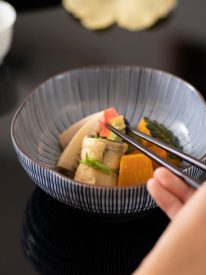
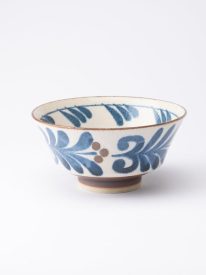
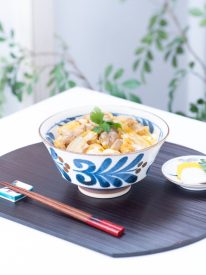
This bowl is designed with a “Tokusa” pattern drawn by hand with a broom-like brush to make the thin blue lines centering to the middle of the bowl. Originally made in the size to serve a single portion of sashimi or pickled vegetables in a traditional style meal at a tea ceremony, it can be…
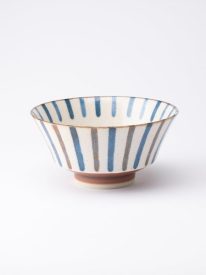
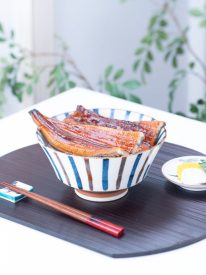
As suggested by the name nanpu, meaning “southern winds,” this bowl features a design that evokes the feeling of a warm breeze. The straight lines of blue and brown represent pouring rain, adding a sense of natural comfort to the piece. The slightly warped rim allows for easy stacking of bowls with the same shape,…
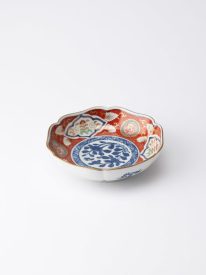
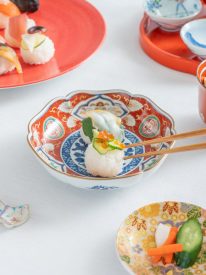
This mokko-shaped small bowl features a modern interpretation of the traditional classic patterns of old Imari. Mokko is the name for a round squarish shape and is considered an auspicious shape which represents family prosperity. “Aka” means red and “dami” is the name for the technique where the artist first outlines the area to be…
As suggested by its name nanpu, meaning “southern winds,” this bowl features a design that evokes the feeling of a warm breeze. The brush works in blue and brown symbolizing the wind blowing, give the design a natural comfort. The slightly warped rim allows for easy stacking with bowls of the same shape, ensuring convenient storage….
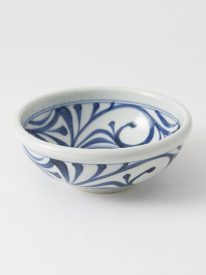
This square medium bowl features a hand-painted arabesque pattern, one of the representative motifs of Tobe ware. The indigo shade adds a modern touch, while the natural motifs convey the warmth of hand-painted craftsmanship. It is ideal for serving various side dishes, such as tangy sunomono and slowly simmered nimono. The shape stands out with…
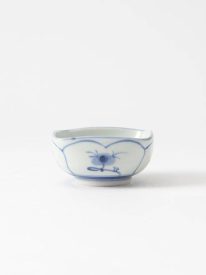
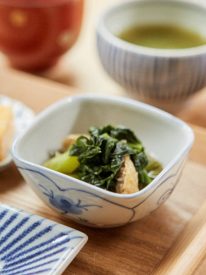
This kobachi bowl features a delicate pattern of shepherd’s purse, a plant that becomes even more distinctive as its heart-shaped seed pods appear. Known as nazuna in Japanese, it’s considered an auspicious symbol believed to ward off evil spirits. The indigo design brings a modern touch while preserving the charm of hand-painted craftsmanship. The size…

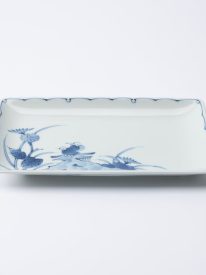 Plants and Birds Rectangular Dinner Plate
 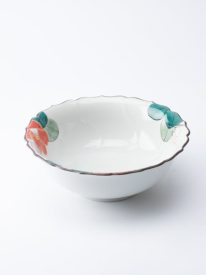 Camellia Kutani Bowl
 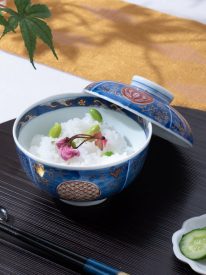 Gold Arabesque Kobachi Small Bowl With Lid
 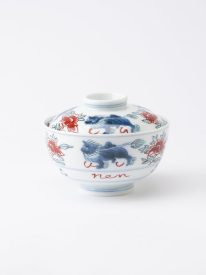 Nishiki Lion Kobachi Small Bowl With Lid
  Akae Kutani Serving Bowl
  Blue Flower Arabesque Medium Bowl
  Silver Yamanaka Lacquerware Soup Bowl with Lid
  Blue Turnip Donburi Rice Bowl with Lid S
 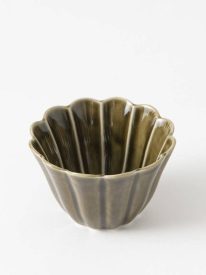 Kikuwari Khaki Kobachi Small Bowl 3.9in
 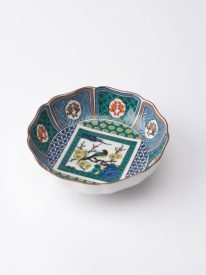 Plum and Birds Kutani Japanese Bowl
 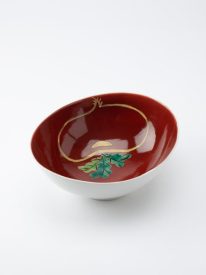 Red Turnip Kutani Bowl
 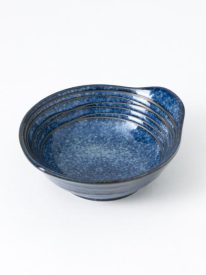 Sea of Clouds Tonsui Bowl
 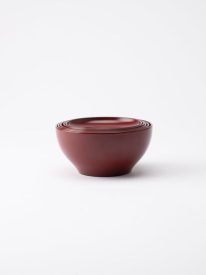 Ancient Red Lacquer Yamanaka Lacquerware Oryoki Bowl Set
 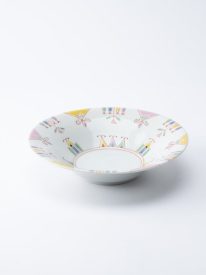 Princess World Large Bowl
 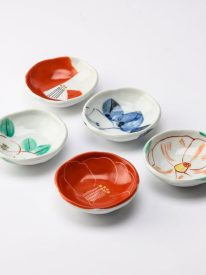 Camellia Sauce Plate Set
 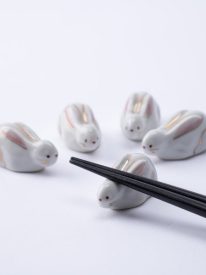 Hozan Kiln Sakura Rabbit Kyo Ware Chopstick Rest Set
 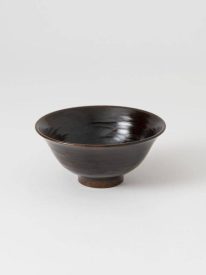 Japanese cherry birch Yamanaka Lacquerware Japanese Rice Bowl
 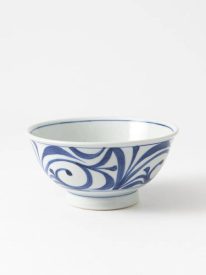 Arabesque Ramen Bowl M
 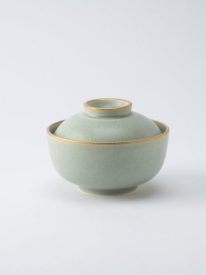 MERU Sui Gold Line Mino Ware Kobachi Bowl with lid
 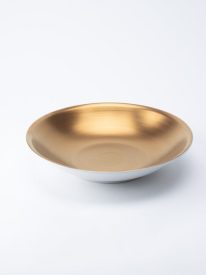 Japan Autumn Gold Large Bowl
 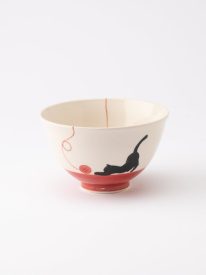 Kikusho Kiln Red Yarn Cat Hasami Japanese Rice Bowl
 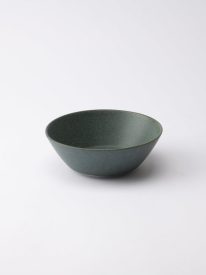 MERU Jade Mino Ware Bowl 5.2in