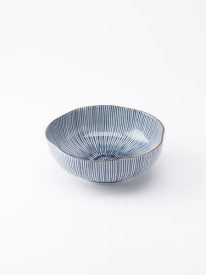
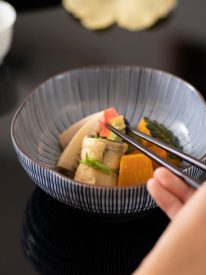
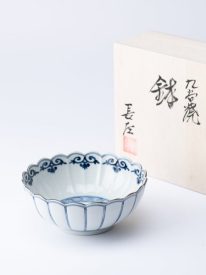
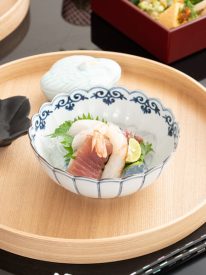
This bowl is designed with a “Tokusa” pattern drawn by hand with a broom-like brush to make the thin blue lines centering to the middle of the bowl. Originally made in the size to serve a single portion of sashimi or pickled vegetables in a traditional style meal at a tea ceremony, it can be…
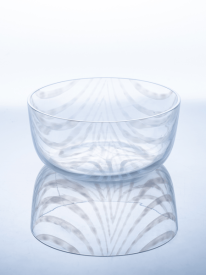
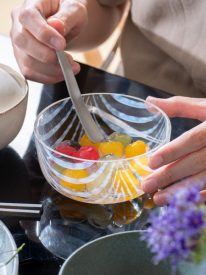
This is a glass bowl with makiage pattern from the Taisho Roman glass series by Hirota Glass, a long-established glass manufacturer in Tokyo. Makiage is a traditional tie-dyeing technique used in kimono making. This method creates intricate patterns that convey an aura of elegance and grace. This pattern is created by the aburidashi “invisible ink” technique,…
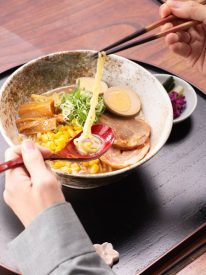
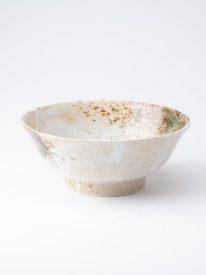
This regular-sized ramen bowl showcases the soft, earthy tones of Shino ware, with shades of brown and green blending seamlessly into a white base. It features a generous application of white glaze, creating a speckled appearance, while the unglazed areas highlight a beautifully rough texture. Originating in Gifu Prefecture during the Azuchi-Momoyama period (1573 CE-1603…
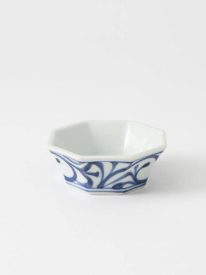
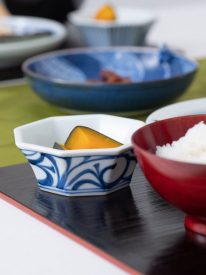
This octagonal kobachi small bowl features a hand-painted arabesque pattern, a representative motif of Tobe ware. The deep indigo shade adds a hint of modern elegance. Perfect for serving small portions of side dishes like tangy sunomono or simmered nimono, it’s also suited for a scoop of ice cream or fresh fruit. The octagonal rim…
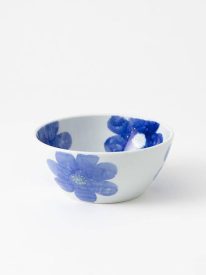
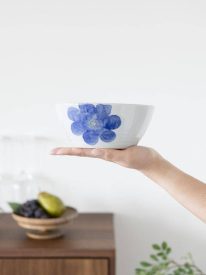
As though painted in watercolors, large and exuberant blue flowers achievebold and graceful designs on this donburi bowl from Higashi Kiln. The floral design brings a joyful atmosphere to the table and never goes out of style. Renowned for its durability and ease of use, Tobe ware is widely used in restaurants to serve Japanese…
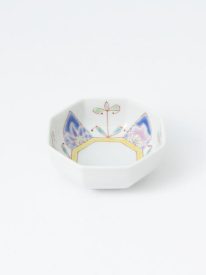
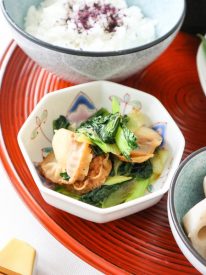
This bowl showcases dreamy patterns delicately painted by the artisans of Ginshu Kiln, renowned for its romantic and playful pastel-colored designs. The painted areas have a slightly raised texture, a characteristic of Kutani ware, which is traditionally hand-painted using Japanese coloring pigments and a brush. It is suitable for serving side such as sunomono (vinegared…
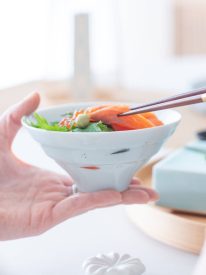
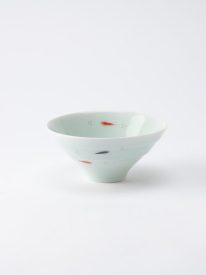
Enjoy the refined natural blue-green luster of celadon with this stylish Japanese rice bowl from Kosen Kiln. With its translucent glaze on the blue-jade hue of celadon, a tranquil atmosphere emanates from its glossy exterior, like the calm surface of a glistening pond. Adorning the surface of the rice bowl are Medaka rice fishes which are depicted…
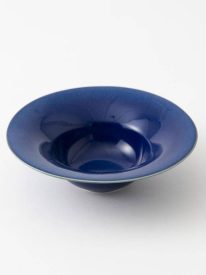
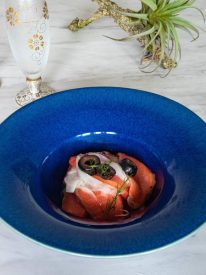
This deep side plate in a shiny dark blue color has an exquisite silhouette with wide rims and and a beautiful curve. The size is perfect for serving a salad, appetizers, sunomono “vinegared food,” aemono “seasoned or sauced food” and nimono “simmered food.” It is great for not only Japanese food, but also various food…
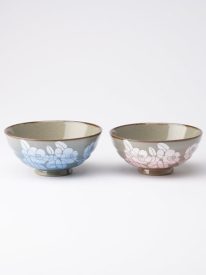
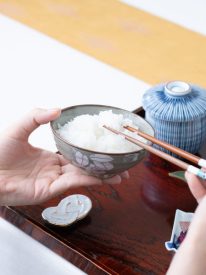
A beautiful pair of rice bowls with a pink and blue sasanqua motif. It is beautifully applied Ginsai, the Kutani ware technique by which five-color glaze is applied over silver foil. The cracks on the surface are created by the traditional technique of “Kannyu” (penetration), which allows you to enjoy the beauty of handcrafting.The shape made on…
This bowl features exquisite sometsuke designs hand-painted by master craftsman Yamamoto Choza. At the bottom of the bowl lies a botanical and bird motif highlighted with circular patterns in fine lines of blue. The intricacies of each design invite a closer look. The porcelain base is formed using the katauchi technique, where a smooth layer…
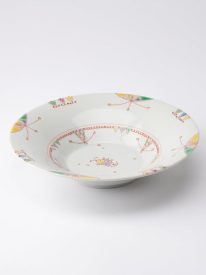
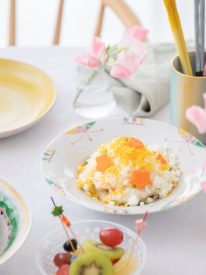
This large bowl features a unique design of fish and the circus, hand-painted with a delicate touch by artisans. The painted areas have a slightly raised texture, a characteristic of Kutani ware, which is traditionally hand-painted using Japanese coloring pigments and a brush. Perfect size as a serving bowl for salad, appetizers, side dish, pasta,…
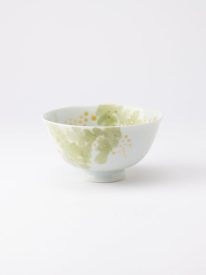
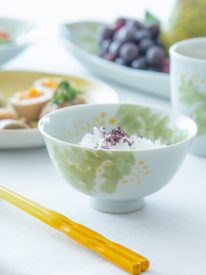
A beautiful mimosa design is painted on a white porcelain canvas. In places, small dots painted in gold are scattered throughout the design, adding a discreet accent to the overall design. The refreshing impression of this rice bowl will enlighten your table. It is painted by the female artist, Alyne Ohigashi, who was born in…

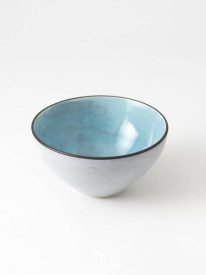 Raska Marin Modern Medium Bowl
 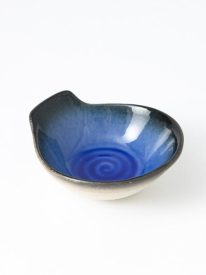 Indigo Glaze Tonsui Bowl
 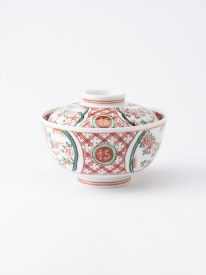 Akae Flower and Bird Kobachi Small Bowl With Lid
 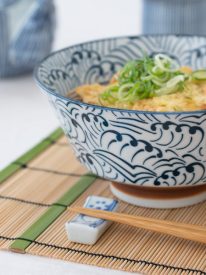 Wave Mino Ware Ramen Bowl M