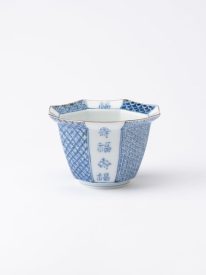
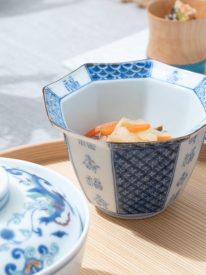
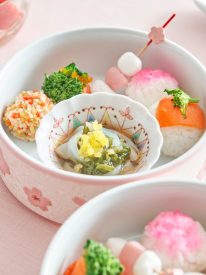
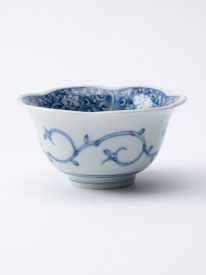
This kobachi small bowl is adorned with a fukuju pattern in the style of old Imari. Fukuju symbolizes happiness and longevity, with the design rooted in this auspicious character. The bowl has an octagonal shape with an outward-extending rim. Its depth makes it ideal for serving soupy dishes, as well as appetizers and desserts.
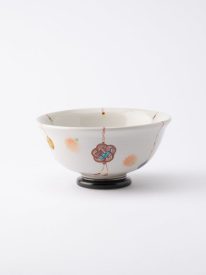
This large rice bowl is decorated with gorgeous and lovely mizuhiki motif. The colorful knots give the bowl a nostalgic and graceful feeling.Kanazawa, the birthplace of Kutani ware, is known for its unique and rare traditional craft called Kaga Mizuhiki. Made by Kokuzou Kiln, known for the gentle and warm stoneware with beautiful colors and elegant…
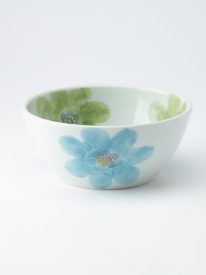
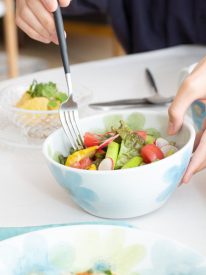
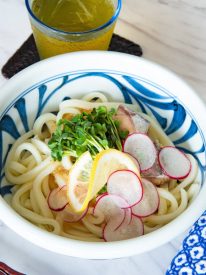
This delightful Tobe ware donburi bowl features soft floral patterns in shades of grassy green and light blue, with subtle gold accents. Applied through the unique washi-zome technique, the floral design brings a watercolor-like softness to the white porcelain surface. With a 16.7 cm (6.6 in) diameter, it’s perfect for serving salads, soups, and noodles….
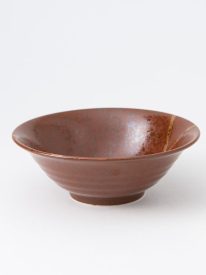
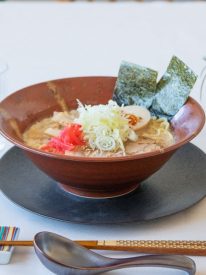
The popular children’s game of ayatori “cat’s cradle” serves as a unique design inspiration for this regular-sized ramen bowl. The bowl’s deep red-brown surface is elegantly adorned with bold, intersecting lines in light brown, reminiscent of the game’s threads. Shaped using a potter’s wheel, this piece has a pleasant weight and warmth to the touch that…
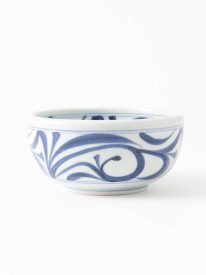
This large-sized serving bowl features one of the signature motifs of Tobe ware. The graceful arabesque design is brought to life by the warmth of its dynamic hand-painted brushstrokes, inspired by nature and the striking contrast of indigo on porcelain white. The extended pattern inside the bowl creates a rich and harmonious design. Renowned for…
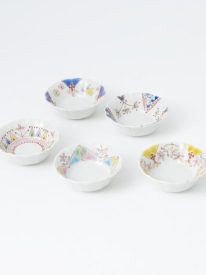
This set of five small kobachi bowls features colorful patterns painted by artisans of Ginshu Kiln, which is especially known as its romantic and playful pastel colored painting. It is suitable for serving side such as sunomono (vinegared food), aemono (seasoned or sauced food), nimono (simmered food) for one person. Furthermore, you may put a…
This is a Japanese rice bowl by Ri Sanpei (Yi Sam-pyeong) Kiln, a brand by the descendant of Yi Sam-Pyeong, the discoverer of white porcelain ore for Arita ware. Molded on the potter’s wheel, with handwritten flower and arabesque patterns, have an indescribably lovely atmosphere that soothes the hearts of those who see them.Using the same…
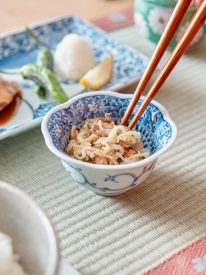
This elegant kobachi small bowl is crafted by Takayama, renowned for Hasami porcelain. In the classic blue and white of sometsuke, it features an interior pattern of richly swirling scrollwork, with additional vine-like arabesques toward the rim. This beautifully contrasts with a simple exterior of simple karakusa budding vines. Vine motifs have long been cherished…
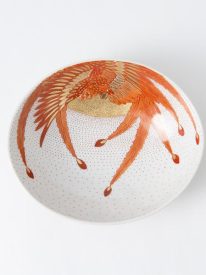
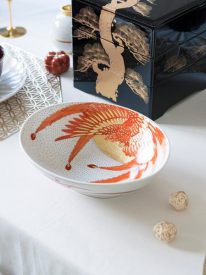
Premium Kutani bowl with a drawing of a graceful phoenix in red and gold on a durable porcelain base. It is a piece made by Fukuda Yoshinori. Detailed figures drawn in red and added golden decorations are characteristic of this Iidaya and Akae style. The phoenix is famous as a symbol of immortality and it…
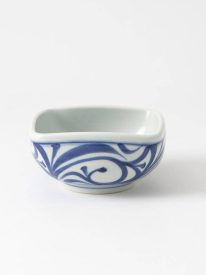
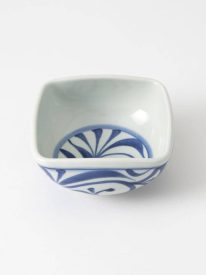
This square medium bowl features a hand-painted arabesque pattern, one of the representative motifs of Tobe ware. The indigo shade adds a modern touch, while the natural motifs convey the warmth of hand-painted craftsmanship. It is ideal for serving various side dishes, such as tangy sunomono and slowly simmered nimono. The shape stands out with…
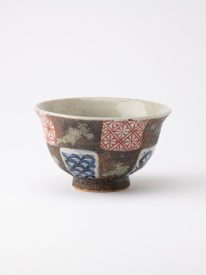
This regular-sized donburi bowl features a charming checkered pattern over an unglazed rustic brown background. Adorned with various traditional designs like the asanoha “hemp leaf” pattern and seigaiha “wave” pattern, each symbolizes continuity and prosperity, carrying the auspicious wish that good fortune will last forever. Its depth helps retain the food’s warmth while adding a…
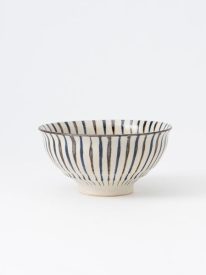
This small-sized donburi bowl features the traditional Japanese tokusa “horsetail” pattern with vertical stripes in dark blue and earthy brown. The rich, rusty hue of the brown, due to its high iron content, gives the bowl a warm, inviting finish. Beloved since the Edo period (1603-1868 CE), this pattern of straight vertical lines is inspired by…



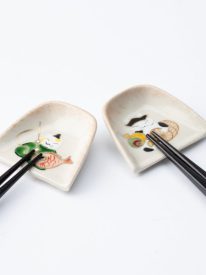 Hozan Kiln Twin Lucky Gods Cats Kyo Ware Chopstick Rest Set
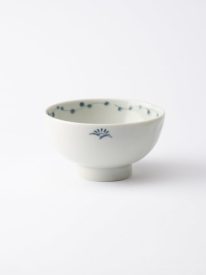
 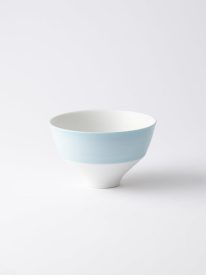 Japan Blue Pearl Blue Japanese Rice Bowl