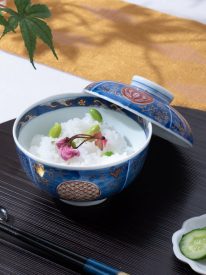
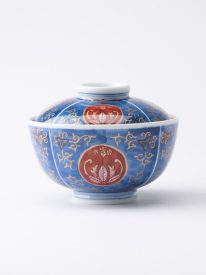
This kobachi small bowl is decorated with hand-painted shades of blue, featuring gold arabesque patterns and round traditional motifs in red and green. The same design is painted on the interior top surface. Sized perfectly for serving rice, the bowl is also suitable for simmered dishes. The lid helps retain warmth, and its traditional, elegant design…
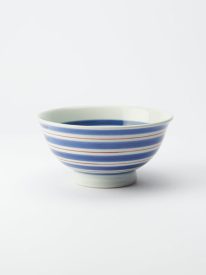
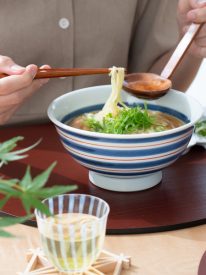
Thick blue and fine red lines alternate around the whole exterior of snow-white porcelain of this donburi bowl. The blue lines are drawn using the traditional gosu pigment, while the red accents enhance the design. The hand-painted blue patterns are made using the tsuketate technique, where each stroke is applied without outlines. This gives the bowl…
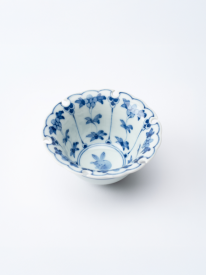
This elegant kobachi small bowl is crafted by Takayama, renowned for Hasami porcelain. In the timeless blue and white of sometsuke, it features at its center an adorable rabbita lovely discovery for the diner once they’ve eaten the cuisine inside. Surrounding the sides is a traditional wari-kusabana pattern: stemmed flowers and grass separated from each…
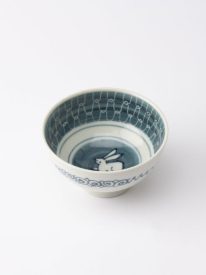
This is a Japanese rice bowl by Ri Sanpei (Yi Sam-pyeong) Kiln, a brand by the descendant of Yi Sam-Pyeong. Molded on the potter’s wheel, with handwritten rabbits and reticulated patterns, have an indescribably lovely atmosphere that soothes the hearts of those who see them. The rabbit in the center is drawn in a round…
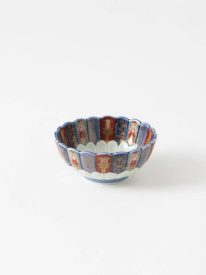
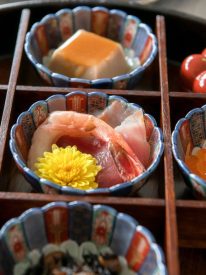
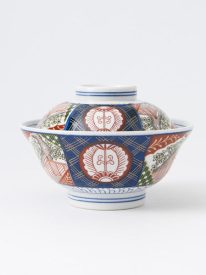
This gorgeous kobachi small bowl features a modern interpretation of the traditional classic patterns of old Imari. The perfect balance of vivid colors, gold and white makes it a classy and stunning piece. With this brilliant look, it is great for complementing your everyday meal, as well as a special gift for someone who loves…
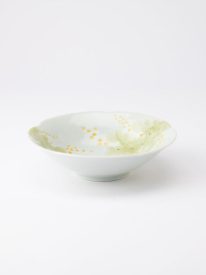
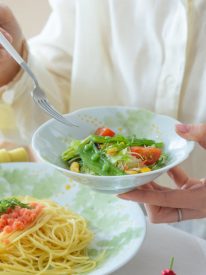
A beautiful mimosa design is painted on a white porcelain canvas. In places, small dots painted in gold are scattered throughout the design, adding a discreet accent to the overall design. The refreshing impression of this bowl will enlighten your table. It is painted by the female artist, Alyne Ohigashi, who was born in Philippines…
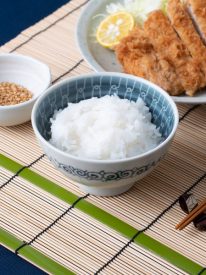
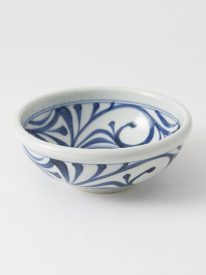
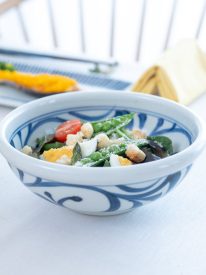
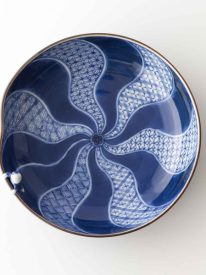
This medium bowl features a hand-painted arabesque pattern, a signature motif of Tobe ware. The deep indigo hue adds a modern touch to its traditional design. Sized for versatility, it’s perfect for daily use, whether serving salads, simmered dishes like nikujaga, or cold udon and soba noodles. The wide shape comfortably holds each dish, enhancing…
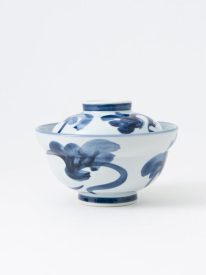
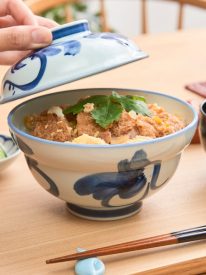
This small-sized Japanese donburi rice bowl features hand-painted turnips in indigo blue. The skilled brushwork exudes a sense of dynamism, perfectly capturing a blend of charm and grace. The lid ensures the dish remains flavorful by keeping the food warm and steaming the ingredients. The bowl is perfect for a variety of donburi dishes, such…
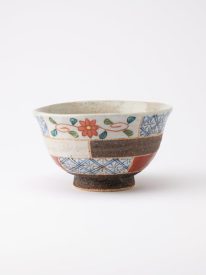
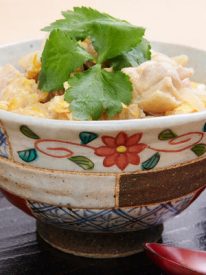
This regular-sized donburi bowl features charming floral and geometric patterns composed in an inventive tile-like design. Adorned with various auspicious patterns, each symbolizing continuity and prosperity, the design carries the hopeful wish for everlasting good fortune. Its depth and straight sides help retain the food’s warmth while adding a touch of style and practicality. Handcrafted…
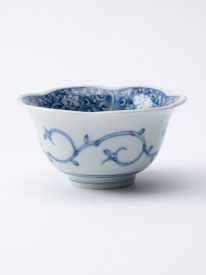
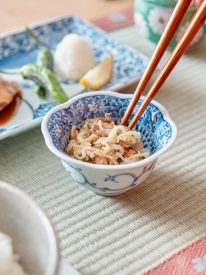
This elegant kobachi small bowl is crafted by Takayama, renowned for Hasami porcelain. In the classic blue and white of sometsuke, it features an interior pattern of richly swirling scrollwork, with additional vine-like arabesques toward the rim. This beautifully contrasts with a simple exterior of simple karakusa budding vines. Vine motifs have long been cherished…
A fun bowl featuring a playful decoration of a little man soaking in a bath, which appears when you pour soup into it. The traditional pattern drawn on the bowl creates a unique combination with the whimsical design, serving as a perfect example of Choemon’s ability to blend traditional and modern elements into tableware. Originally…
This regular-sized Japanese donburi rice bowl features sakura, or cherry blossoms, framed by dark blue, lattice-like patterns, all rendered in the traditional nishiki-e style. Nishiki-e, meaning “brocade picture,” is a multi-colored woodblock print technique that revolutionized ukiyo-e during the Edo period (1603-1868 CE), when most prints were in black and white. The lid helps keep the…

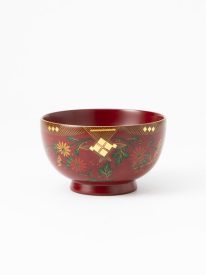 Chrysanthemum Soup Bowl
 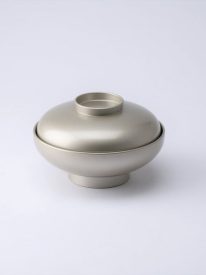 Silver Yamanaka Lacquerware Soup Bowl with Lid