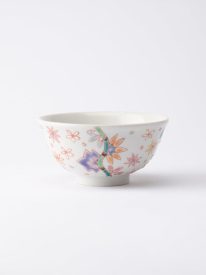
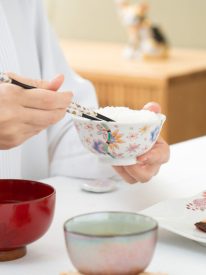
This rice bowl features flowers in full bloom, delicately painted by artisans of Ginshu Kiln, which is especially known as its romantic and playful pastel colored painting. The painted areas have a slightly raised texture, a characteristic of Kutani ware, which is traditionally hand-painted using Japanese coloring pigments and a brush. With a diameter of 10.8…
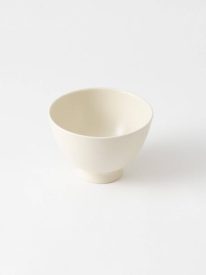
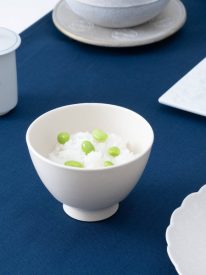
The Japanese kobachi from the “Une” series is made by Taniguchi Seidojo, which has been making Kutani ware clay for three generations. Instead of using vivid colors of Kutani ware, they propose a new, simple and modern Kutani ware that can only be created by a company that knows the characteristics of clay. The carefully…
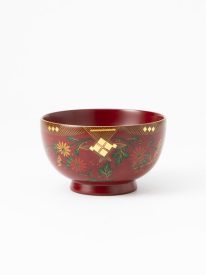
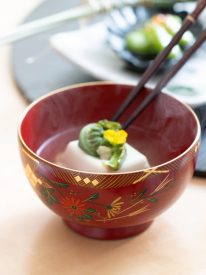
This soup bowl is hollowed out from Japanese horse chestnut, which is the best material for wood bowls. It has a slightly matte texture in calm vermilion color.The lacquering process, from the base coat to the top coat, has been inspected for designation as a traditional Aizu lacquerware craft.Aizu-e, the traditional design of Aizu lacquerware, is…
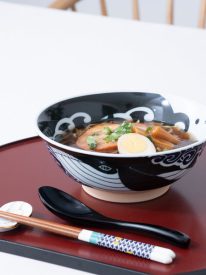
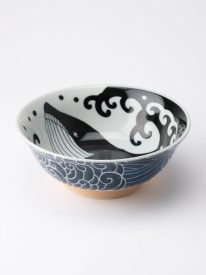
This regular-sized Japanese ramen bowl boasts a captivating design, featuring a whale swimming gracefully through the ocean, surrounded by waves and splashes. The artwork is primarily depicted in black, while the wave patterns on the exterior are elegantly brushed in shaded indigo blue. Its size and shape are perfect for ramen and other noodle dishes…
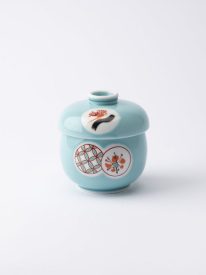
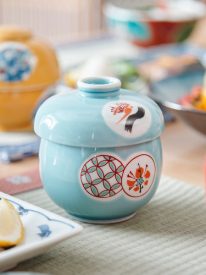
This chawanmushi (Japanese steamed egg custard) bowl has a traditional circle pattern called marumon. The transparent blue-green color unique to celadon porcelain is beautiful and contrasts elegantly with the red circle pattern. Tasei Kiln is a kiln that originally made chawanmushi bowls for restaurant use. If you make chawanmushi with it, you can enjoy authentic…
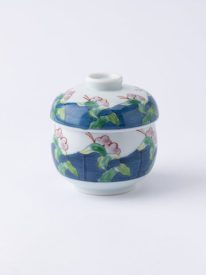
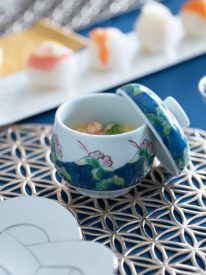
This chawanmushi (Japanese steamed egg custard) bowl has a purple flower painting in a round form. If you make chawanmushi with it, you can enjoy the authentic taste of this delicious egg custard and the atmosphere of a Japanese restaurant. When the lid is removed, the bowl can also be used as a small kobachi…
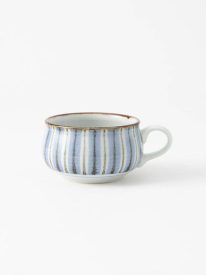
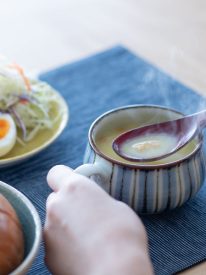
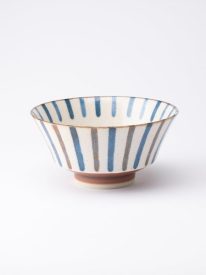
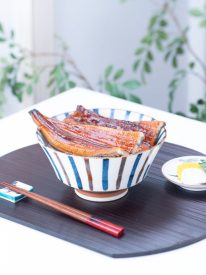
This soup bowl features delicate blue stripes and a warm brown rim, capturing the charm of hand-painted craftsmanship. The soft contrast of colors and subtle brushstroke variations add unique character to each piece, making every bowl one of a kind. With its gently rounded shape, this bowl creates a cozy, inviting feel. While designed for…
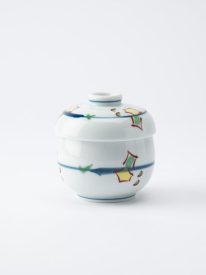
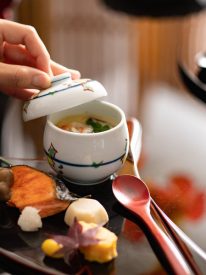
Enjoy delicious chawanmushi (Japanese steamed egg custard) with your favorite ingredients at home with this beautiful Arita ware chawanmushi bowl from Tasei Kiln. Lines painted in gosu, a cobalt blue pigment, across the lid and the bowl give accent to the soft round shape and enhance its warm and gentle impression. Diamond-shaped patterns evenly painted along…
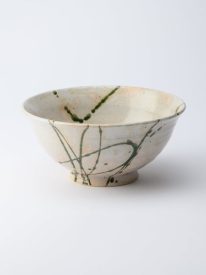
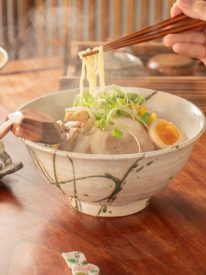
This donburi fascinates with its elegant water plant motif, highlighted with brown splashes. The green glaze and abstract brushstrokes are characteristic of Yashichida Oribe ware. Tsujii Musashi, inspired by nature, infuses his creations with a subtle, rustic charm. The bowl’s refined beauty is further enhanced by gohondedelicate pinkish spots that appear naturally after the firing…
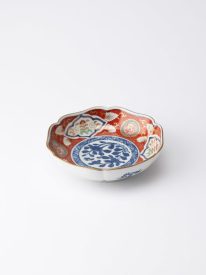
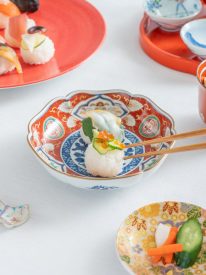
This mokko-shaped small bowl features a modern interpretation of the traditional classic patterns of old Imari. Mokko is the name for a round squarish shape and is considered an auspicious shape which represents family prosperity. “Aka” means red and “dami” is the name for the technique where the artist first outlines the area to be…
As suggested by the name nanpu, meaning “southern winds,” this bowl features a design that evokes the feeling of a warm breeze. The straight lines of blue and brown represent pouring rain, adding a sense of natural comfort to the piece. The slightly warped rim allows for easy stacking of bowls with the same shape,…
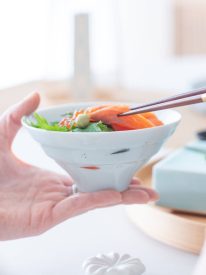
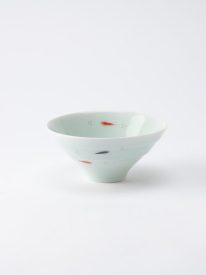
Enjoy the refined natural blue-green luster of celadon with this stylish Japanese rice bowl from Kosen Kiln. With its translucent glaze on the blue-jade hue of celadon, a tranquil atmosphere emanates from its glossy exterior, like the calm surface of a glistening pond. Adorning the surface of the rice bowl are Medaka rice fishes which are depicted…

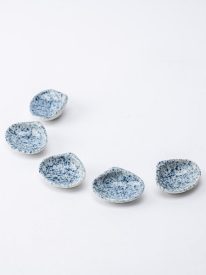 Hozan Kiln Ink-Sprayed Shell Kyo Ware Chopstick Rest Set
 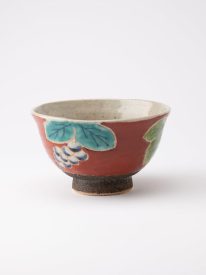 Kousai Kiln Grape Hasami Donburi Bowl M