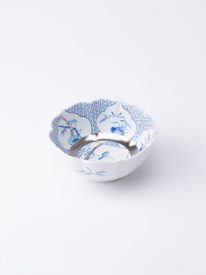
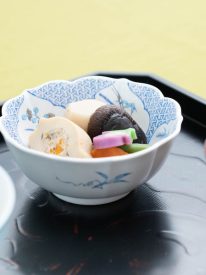
The sides of the bowl are shaped like the petals of a flower giving the bowl an elegant look. Items with distinctive curves such as this bowl are made by first making a base by pressure casting and then carved by skilled craftsman to give the final refined touch. The inside is decorated with traditional…
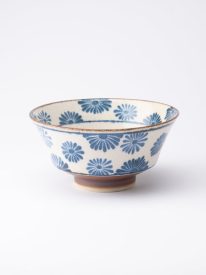
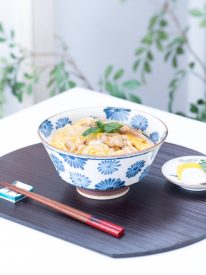
As suggested by its name nanpu, meaning “southern winds,” this bowl features a design that evokes the feeling of a warm breeze. Blue chrysanthemum flowers are scattered throughout the design, giving the design a natural comfort. The slightly warped rim allows for easy stacking with bowls of the same shape, making storage more convenient. This bowl is…
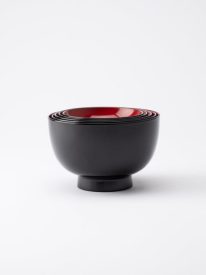
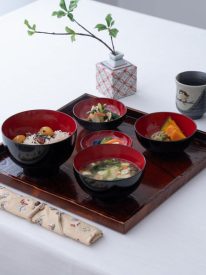
While utilizing Yamanaka lacquerware techniques, this product is made of resin, and is recommended for those who want to enjoy “Oryoki” in a casual manner. The combination of black on the outside and red on the inside is chic and glamorous, and is recommended not only for daily use but also when entertaining guests. In…
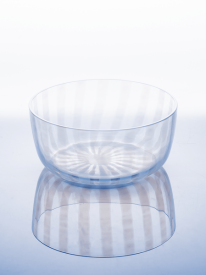
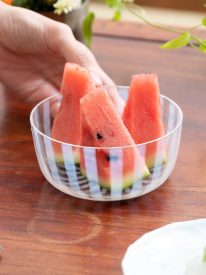
This is a glass bowl with the tokusa “horsetail” pattern from the Taisho Roman glass series by Hirota Glass, a long-established glass manufacturer in Tokyo. The tokusa motif, cherished since the Edo period (1603 CE-1868 CE), symbolizes growth and prosperity. Its straight, upward-reaching lines embody aspirations for success and flourishing, making it a beloved design through…
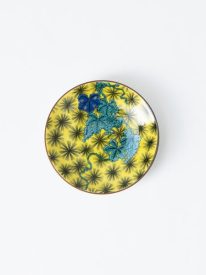
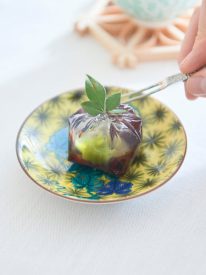
The Japanese plate features a grape and vines in Ko-Kutani (old Kutani) style, dating back to mid-17th century, depicting the nature-themed daring design and distinctive bright colors of Kutani ware. Perfect size as a sauce plate. It is also versatile to serve cheese, nuts, condiments, and other small food. Or you can put a small…
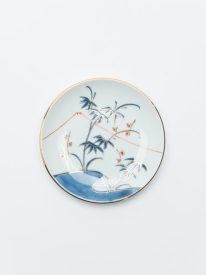
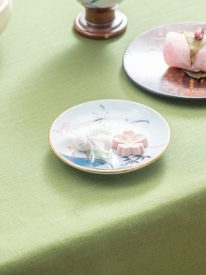
This sauce plate features a refined bamboo motif alongside an iconic depiction of Mount Fuji. In Japanese culture, bamboo is esteemed as an auspicious emblem that signifies longevity, and robust health. The technique displayed in this plate is called somenishiki where the plate is first glazed with white and blue patterns and then is further…
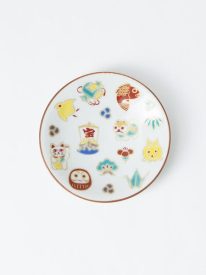
The sauce plate features happy motifs such as a lucky cat, a daruma doll, and a chidori, which are said to bring good luck in Japan. It is a great small plate for celebrating occasions, such as New Year’s Day, birthdays, and housewarming parties. Each piece is painted with Japanese color paint, which is one…
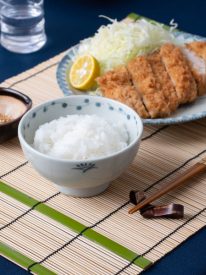
This is a Japanese rice bowl by Ri Sanpei (Yi Sam-pyeong) Kiln, a brand by the descendant of Yi Sam-Pyeong, the discoverer of white porcelain ore for Arita ware. Molded on the potter’s wheel, with handwritten flower and arabesque patterns, have an indescribably lovely atmosphere that soothes the hearts of those who see them.Using the same…
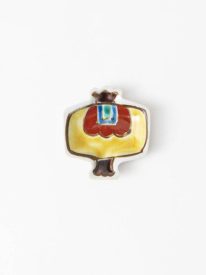
This sauce plate features the shape and painting of mallet of lucky, which is said to bring luck to whom shakes it. It is one of the treasures that appear in Japanese narratives and old stories. Perfectly sized as a sauce plate, it is also versatile enough to serve cheese, nuts, condiments, and other small bites….
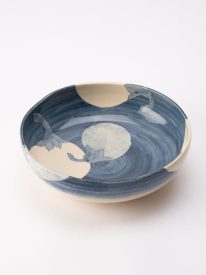
This bowl features round Kamo eggplants, a summer vegetable from Kyoto, in the serene blue and white of sometsuke. Kyoto vegetable designs are created by applying a water-resistant substance to outline the shapes. Then, gosu, a cobalt blue glaze, is hand-painted over the surface, leaving the protected areas untouched. After a second bisque-firing, delicate lines…
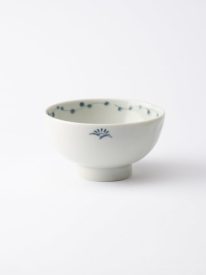
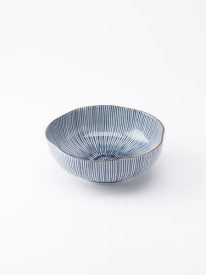
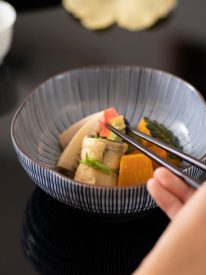
This bowl is designed with a “Tokusa” pattern drawn by hand with a broom-like brush to make the thin blue lines centering to the middle of the bowl. Originally made in the size to serve a single portion of sashimi or pickled vegetables in a traditional style meal at a tea ceremony, it can be…
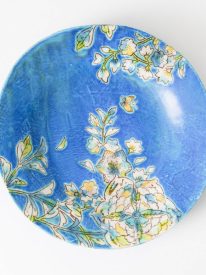
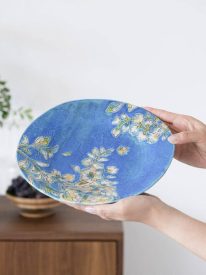
A rich turquoise glaze with a natural gradient flows across the surface, created by expressive, hand-painted brushstrokes. Delicate flowers in soft shades of yellow, blue, and white spread across the plate. The intricate pattern extends beyond the rim, while fine kannyu crackles enhance the textural richness. The generous size and slightly curved form make this…

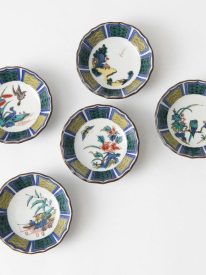 Ko-Kutani Kobachi Small Bowl Set
 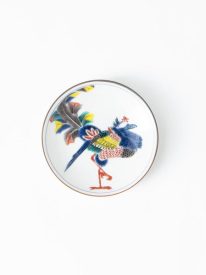 Phoenix Sauce Plate
 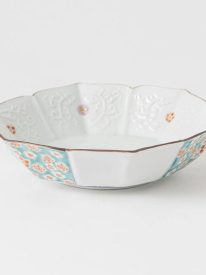 Plum Flower Large Bowl
 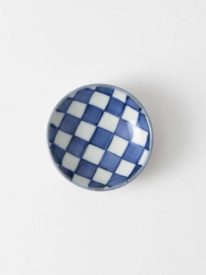 Indigo Checkered Pattern Sauce Plate
 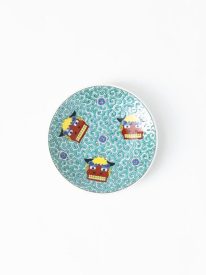 Shishi Sauce Plate
 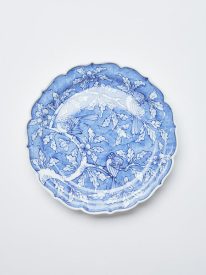 Flower and Birds Bellflower Rim Dinner Plate