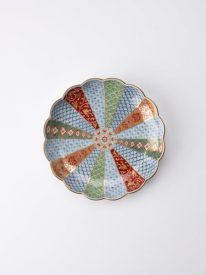
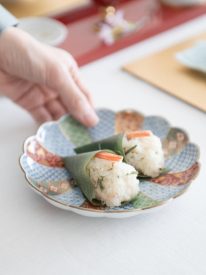
This is a gorgeous Japanese plate with a “chrysanthemum split” design in the old Imari style. The lines extend from the outside to the center and are decorated with different traditional patterns.” Each has its own meaning, such as “seigaiha,” “shigebishi,” and “zuiun.” “Seigaiha” (blue ocean waves) – a symbol of prosperity. “Shigebishi” (dense diamonds)…
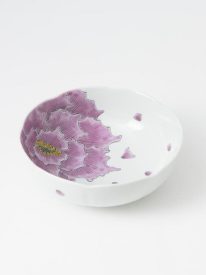
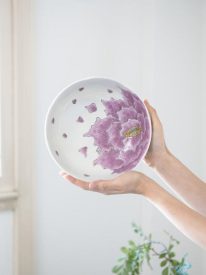
The large bowl features a beautiful pink peony, hand-painted by artist Fukuda Yoshinori. A large peony is designed to fit the round bowl, with scattered petals drawn around it and on the outside of the bowl. Rooted in the rich tradition of Kutani ware, Fukuda Yoshinori brings his mastery of akae, Yoshidaya, and ko-kutani styles…
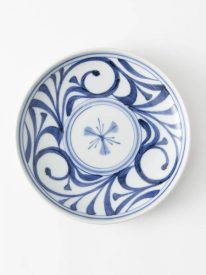
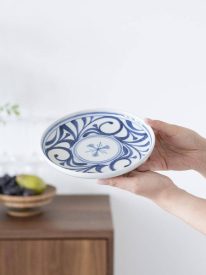
This round plate features an arabesque pattern, one of the representative motifs of Tobe ware. The shade of indigo gives this piece a modern elegance. You can feel the warmth of hand-painting from the patterns using nature motifs. With an ideal size for appetizers, small salads, bread, and desserts, this plate offers durability for long-term…
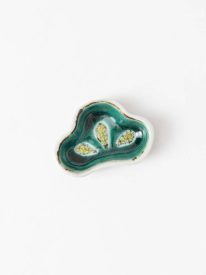
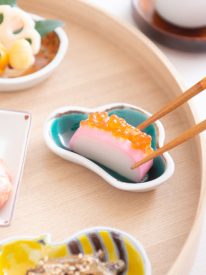
This pine-shaped Japanese plate is perfect for celebrating special occasions as well as everyday use. The pine tree is an evergreen tree and is a symbol of “eternal life.” In addition, some pine trees are thousands of years old and are said to be auspicious because they are associated with immortality and longevity. Perfectly sized…
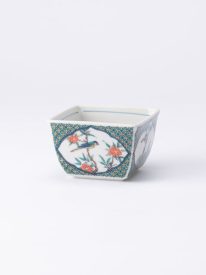
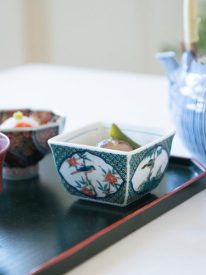
This kobachi small bowl features a bird resting on a branch with flowers. Kutani ware uses Japanese coloring paint, as you can see the painted bird is slightly thickened and standing out. Its size is suitable for serving appetizers, salad, and side dishes such as sunomono (vinegared food) and nimono (simmered food) for one person….
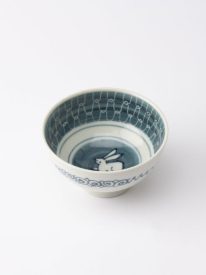
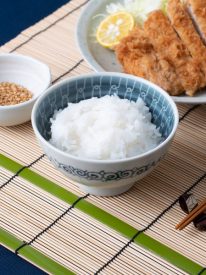
This is a Japanese rice bowl by Ri Sanpei (Yi Sam-pyeong) Kiln, a brand by the descendant of Yi Sam-Pyeong. Molded on the potter’s wheel, with handwritten rabbits and reticulated patterns, have an indescribably lovely atmosphere that soothes the hearts of those who see them. The rabbit in the center is drawn in a round…
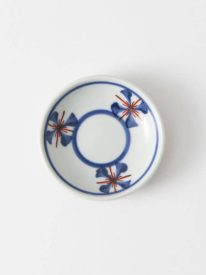
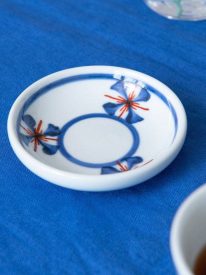
This sauce plate features a hand-painted abstract flower pattern in indigo and red colors adding the warmth and charm of hand-painting. Its compact size and slight depth makes it ideal for serving sauces, garnishes, or small snacks like nuts and candies. You can also use it to present small portions of food or relishes, placing it…
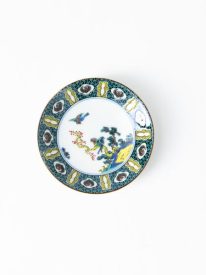
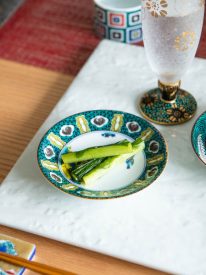
This sauce plate features a pine tree and bird drawn in the ko-Kutani style, one of the most traditional styles of Kutani ware. Perfectly sized as a sauce plate, it’s also versatile for serving cheese, nuts, condiments, and other small bites. For a more elegant presentation, you can serve small portions of food or relishes…
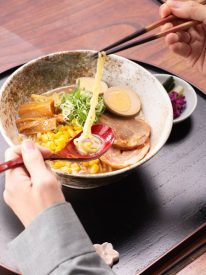
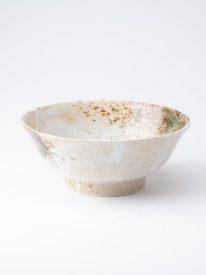
This regular-sized ramen bowl showcases the soft, earthy tones of Shino ware, with shades of brown and green blending seamlessly into a white base. It features a generous application of white glaze, creating a speckled appearance, while the unglazed areas highlight a beautifully rough texture. Originating in Gifu Prefecture during the Azuchi-Momoyama period (1573 CE-1603…
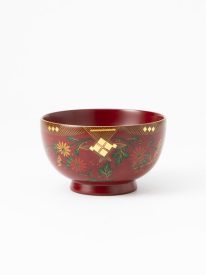
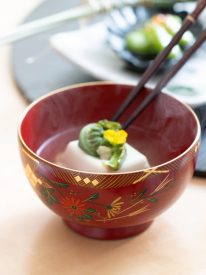
This soup bowl is hollowed out from Japanese horse chestnut, which is the best material for wood bowls. It has a slightly matte texture in calm vermilion color.The lacquering process, from the base coat to the top coat, has been inspected for designation as a traditional Aizu lacquerware craft.Aizu-e, the traditional design of Aizu lacquerware, is…
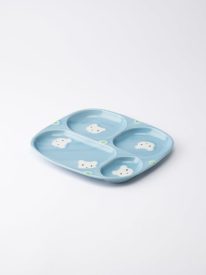
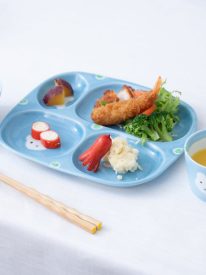
Children will loving eating from this adorable Hasami ware plate designed with little bear faces. The base of the plate is in a soft pastel blue color with green polka-dots. The polka-dots are drawn in a thicker paint that gives a bit of texture on the smooth Hasami ware porcelain. The plate is divided into…
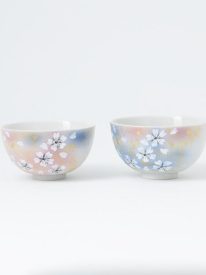
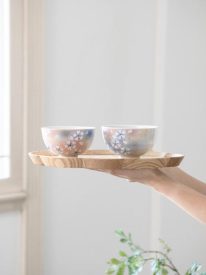
A pair of rice bowls decorated with hand-painted cherry blossoms and the falling petals blown in the wind. It painted in pale colors and sprinkled gold leaf, which is known as an iconic style of Kutani ware. In Japan, there is a culture of giving rice bowls as a gift to married couples to…

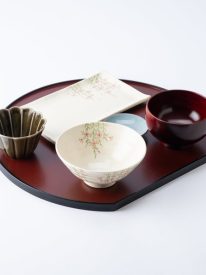 Quiblas Mono Tranquil Sakura Dinnerware Set
 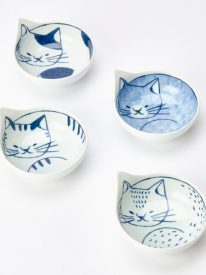 Coneco Cat Kobachi Small Bowl Set