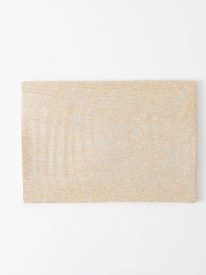
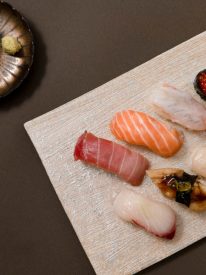
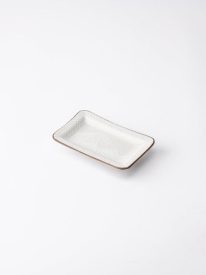
This modern, versatile plate showcases a textured white surface, crafted by layering shades of white paint to create depth and a sophisticated finish. Its sleek, minimalist design makes it an exceptional choice for presenting a range of dishes. Perfect for a single serving sashimi, sushi, or tempura, it also doubles as an elegant tray for…
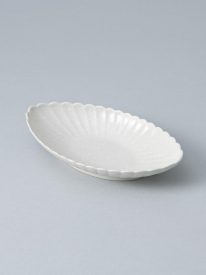
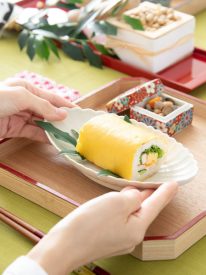
This chrysanthemum shaped oval dinner plate features a matte white color, overlaid with a white speckled glaze that looks like snow. Chrysanthemum is a shape often used in Japanese tableware. Chrysanthemums have meanings such as “love” and “true strength” and are known as an auspicious motif. Perfectly sized to plate an array of side dishes such…
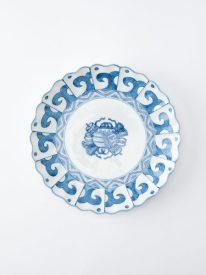
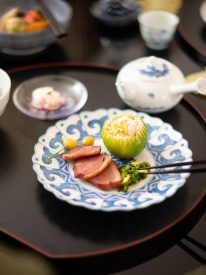
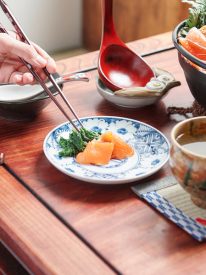
This side plate is a magnificent example of the artistry found in Mikawachi ware, featuring hand-painted designs in blue on fine, durable porcelain. The rim of the plate is adorned with the geometric patterns of shonzui-de waves, a style influenced by the porcelain patterns originally produced in Jingdezhen kilns during the late Ming Dynasty. At…
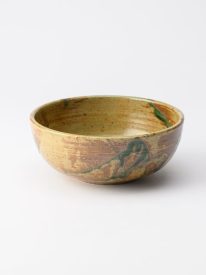
This bowl fascinates with its elegant water plant motif, highlighted with brown splashes. The green glaze and abstract brushstrokes are characteristic of Yashichida Oribe ware. Hand-crafted, this bowl reflects nature’s rustic beauty by accentuating the rokurome, or the rhythmic marks made by the potter’s wheel, which add a special texture and warmth. Its lightweight design…
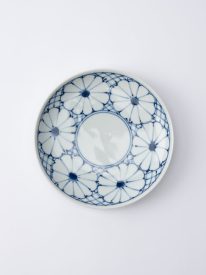
This round side plate is crafted by Takayama, a renowned maker of Hasami porcelain, and dyed with seitan, a kind of indigo. The plate is adorned with a delicate rinka petal pattern, featuring elegantly connected flower petals in a circular design. Traditionally, the rinka pattern has been cherished in Japan as a symbol of happiness…
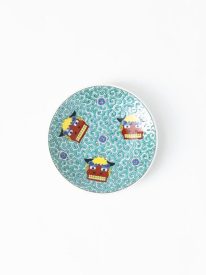
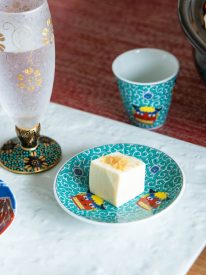
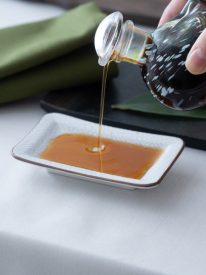
This sauce plate features a shishi. Shishi is an imaginary creature that resembles a lion. It is believe to have the power to ward off evil. Perfectly sized as a sauce plate, it is also versatile to serve cheese, nuts, condiments, and other small food. You may also serve small portions of food or relishes…
The Japanese kobachi from the “Une” series is made by Taniguchi Seidojo, which has been making Kutani ware clay for three generations. Instead of using vivid colors of Kutani ware, they propose a new, simple and modern Kutani ware that can only be created by a company that knows the characteristics of clay. The carefully…
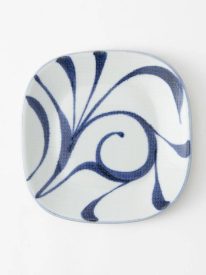
This side plate features a bold hand-painted arabesque pattern, a signature motif of Tobe ware. The deep indigo shade adds a modern touch, while the textured surface, reminiscent of woven cloth, brings warmth and a unique tactile charm to the piece. Its rounded-square shape combines the clean structure of a square with the inviting softness…
This sauce plate has the design of Katsushika Hokusai’s iconic print, “Under the Wave Off Kanagawa.” Katsushika Hokusai is one of the most renowned ukiyo-e artists of the late Edo Period (1603-1868). While Kutani Ware is loved for its vibrant colors, the hachi-kutani series features sauce plates all in white. They are made at Seikou Kiln. Seikou Kiln…
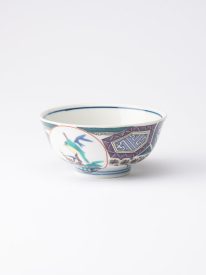
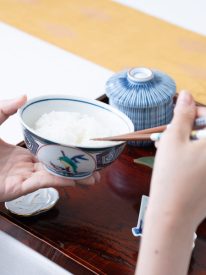
This Japanese rice bowl has a typical design of the Ko-Kutani (old Kutani) style dating back to mid-17th century, depicting the nature-themed motif and traditional patterns and distinctive bright colors of Kutani ware. It is painted with the five colors of red, yellow, green, purple and dark blue, known as “Go-Sai” in Japanese. Kutani ware uses…
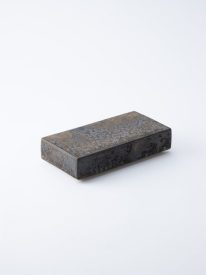
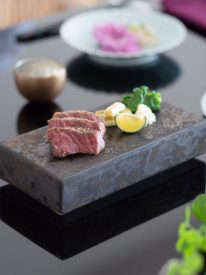
This side plate has a dark brown hue with a matte texture and shimmering crystalline glaze. Its block-like shape and height add a rhythmic touch to any table arrangement, making for an inviting and sophisticated atmosphere. It is just right for placing appetizers, snacks, and sweets in a stylish manner. Its distinctive design makes it an eye-catching…
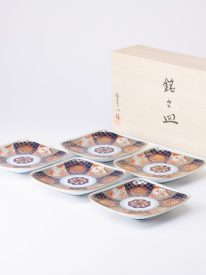
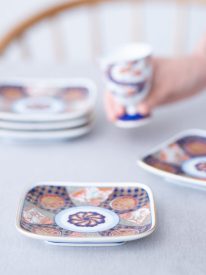
These side plates are beautifully decorated reflecting high-quality craftsmanship. The technique displayed in this plate is called somenishiki where the bowl is first glazed with white and blue patterns and then is further decorated with detailed hand painted drawings. The character in a circle on the plates is the character “kotobuki.” This character is used on…


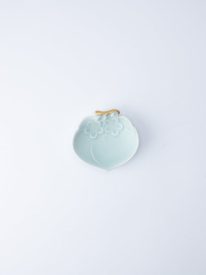 Moist Gold Peach Sauce Plate