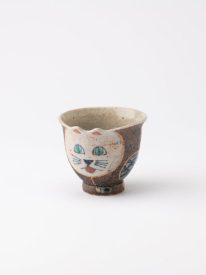
Put a smile on your face using this unique small Yunomi teacup from Kousai Kiln. This charmingly designed cup is handmade combining the Shigaraki style “Yakishime(high-fired unglazed ceramics)” and traditional “Some-nishiki,” a technique where a?product is first glazed with white and blue patterns and then is further decorated with detailed hand-painted drawings.Stoneware items are rarely…
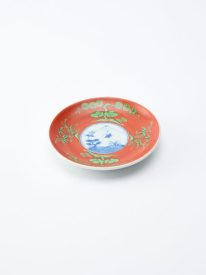
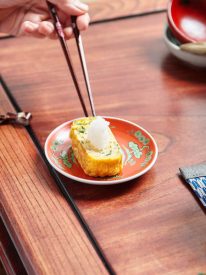
This sauce plate features a refined pine, bamboo, and plum motif alongside an iconic depiction of Mount Fuji. In Japanese culture, pine, bamboo, and plum are regarded as auspicious symbols that herald both good fortune and longevity The technique displayed in this plate is called somenishiki where the plate is first glazed with white and…
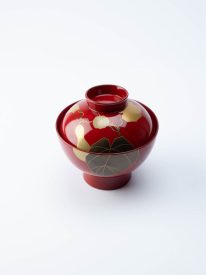
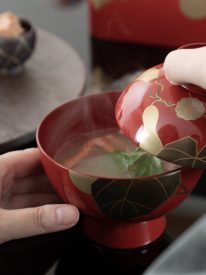
This Echizen lacquerware soup bowl, born from a collaboration with the Aizu lacquerware manufacturer YAMAKYU Japanware Co., captivates with its rich lacquer surface, beautifully showcasing a gourd design. Golden gourds, intertwined with graceful leaves and vines, are brought to life through the traditional maki-e technique, hand-painted lacquer designs adorned with shimmering gold leaf. A final coating…
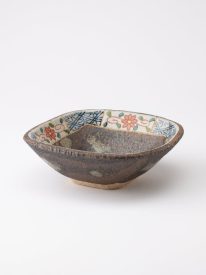
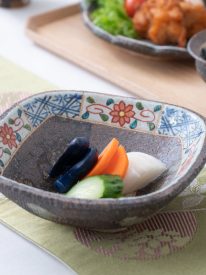
This regular-sized Hasami ware bowl has a unique square shape. The interior rim and bottom are adorned with a design of delicate floral and traditional geometric patterns, offering a beautiful contrast between the rustic clay texture and elegant painted design. Handcrafted on a potter’s wheel, the rough texture of the clay feels satisfying to the…
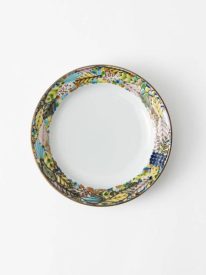
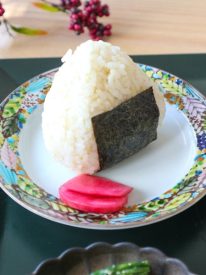
This nature-themed side plate is part of the Hamorebi series, meaning “sunlight filtering through leaves.” Each piece is beautifully hand-painted by female artisan Sakurai Chie. Using traditional Japanese coloring paintsa hallmark of Kutani warethe painted areas have a slightly raised texture, adding depth and character to the design. Perfect for serving small desserts, fruits, or…
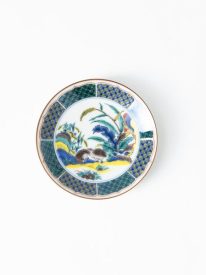
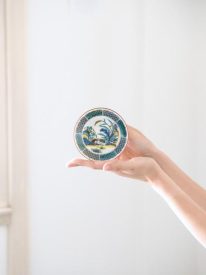
This sauce plate features two quails in the grass, painted in the traditional ko-Kutani style. Perfectly sized as a sauce plate, it is also versatile to serve cheese, nuts, condiments, and other small foods. You may also set small portions of food or relishes, place it on a larger plate or into a bento box…
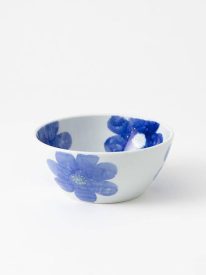
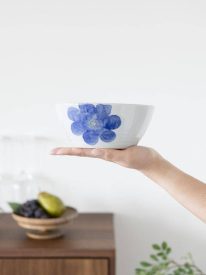
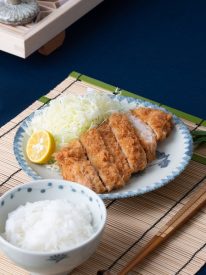
As though painted in watercolors, large and exuberant blue flowers achievebold and graceful designs on this donburi bowl from Higashi Kiln. The floral design brings a joyful atmosphere to the table and never goes out of style. Renowned for its durability and ease of use, Tobe ware is widely used in restaurants to serve Japanese…
This plate has a warm texture of stoneware and lovely hand-painted sakura (cherry blossoms), which symbolizes inner beauty, elegance and good education in Japan. Crafted in a versatile size, it is suitable for serving appetizers, salads, and desserts. It is made by Kokuzou Kiln, known for its gentle and warm stoneware, and features beautiful watercolor-like painting and…
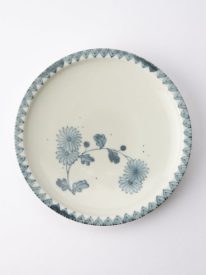
This is a Arita ware plate by Ri Sanpei (Yi Sam-pyeong) Kiln, a brand by the descendant of Yi Sam-Pyeong, the discoverer of white porcelain ore for Arita ware. This dish is simple, yet dignified and powerful. This design itself is from the early Imari period, about 400 years ago. Chrysanthemums are characterized not only by their beauty…
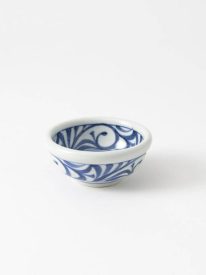
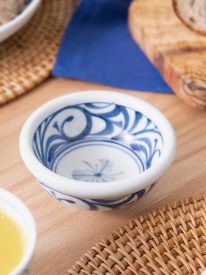
This small kobachi small bowl features a hand-painted arabesque pattern, a representative motif of Tobe ware. The deep indigo shade adds a hint of modern elegance. Its size is ideal for serving side dishes like tangy sunomono or gently simmered nimono. It’s also perfect for small portions of relishes, which can be placed on a…
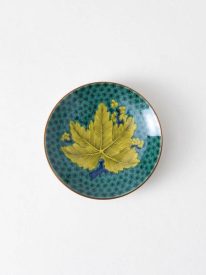
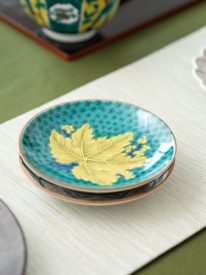
The Japanese sauce plate features a large yellow sycamore leaf in Ko-Kutani (old Kutani) style, dating back to mid-17th century, depicting the nature-themed daring design and distinctive bright colors of Kutani ware. Perfect size as a sauce plate. It is also versatile to serve cheese, nuts, condiments, and other small food. Furthermore, you may also…
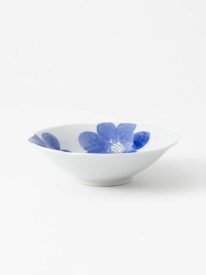
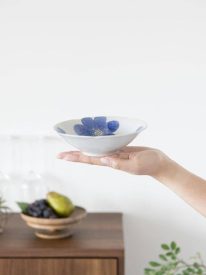
This beautiful bowl features soft blue flowers as if painted with watercolors. The bright design and shape of the rim resembles blooming flowers, bringing joyful atmosphere on the table. It is painted by the female artist, Alyne Ohigashi, who was born in Philippines. She uses a unique technique called washi-zome (Japanese paper dyeing) and continues her…

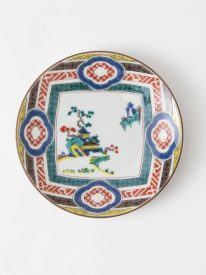 Landscape with Flowering Quince Side Plate
 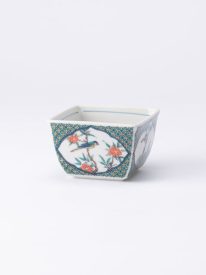 Flower and Bird Kobachi Small Bowl
 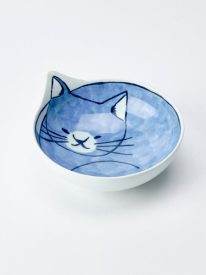 Neco Blue Cat Medium Bowl