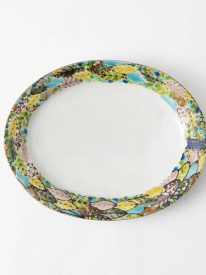
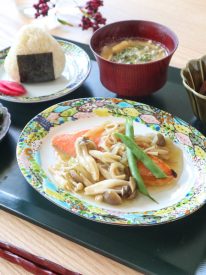
This beautiful Japanese oval plate from the Hamorebi seriesmeaning “sunlight filtering through leaves”is hand-painted by female artisan Sakurai Chie. Each piece is meticulously brushed using traditional Japanese color paints, a distinctive feature of Kutani ware. The painted areas are slightly raised, adding texture and depth to the design. The elegant oval shape offers a distinctive…
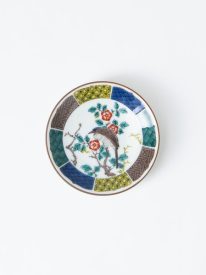
This sauce plate features red flowers and a bird, painted in the traditional ko-Kutani style. The pattern painted around the rim incorporates green, yellow, red, purple, and dark blue, which are the five colors of this Kutani ware style. Perfectly sized as a sauce plate, it is also versatile to serve cheese, nuts, condiments, and…
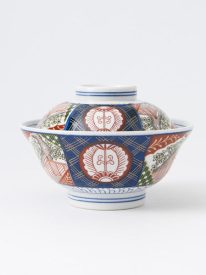
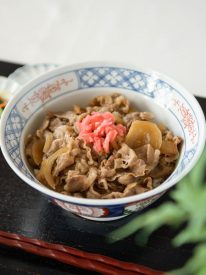
This regular-sized Japanese donburi rice bowl features sakura, or cherry blossoms, framed by dark blue, lattice-like patterns, all rendered in the traditional nishiki-e style. Nishiki-e, meaning “brocade picture,” is a multi-colored woodblock print technique that revolutionized ukiyo-e during the Edo period (1603-1868 CE), when most prints were in black and white. The lid helps keep the…
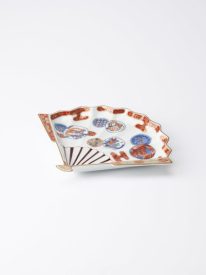
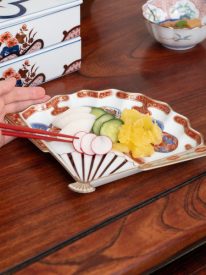
This stunning fan-shaped dinner plate features a modern interpretation of classic old Imari patterns. Modeled after an open folding fan, it has gentle undulations along the surface and black-lined illustrations mimicking wooden frames. A mythical phoenix, with a golden and scarlet tail, is elegantly depicted among traditional Japanese motifs such as chrysanthemums, peonies, and pine…
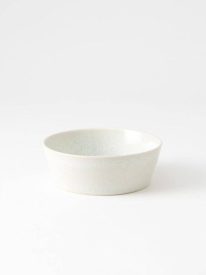
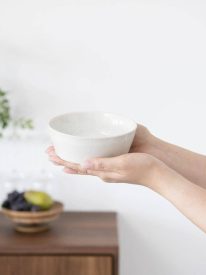
This simple yet modern bowl features a beautiful white glaze. Handcrafted by Hibino Ceramicrenowned for their expertise in creating tableware that enhances both the presentation and appeal of dishesthis bowl combines timeless elegance with practical functionality. In addition to its sleek design, it’s highly durable and easy to handle, making it a popular choice in…
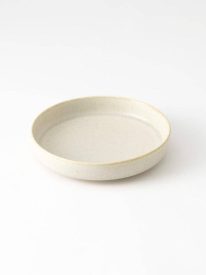
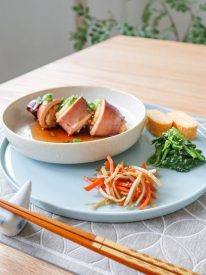
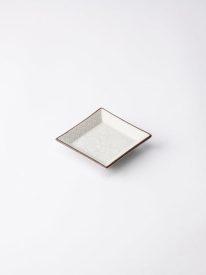
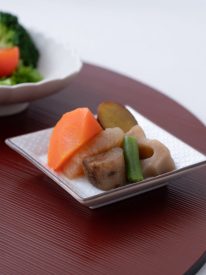
This simple and modern side plate features a beautiful white glaze, adding elegance to any table setting. Its versatile size makes it ideal for serving salads, appetizers, desserts, and fruits. With its clean and refreshing look, it is also perfect as an individual sashimi or tempura plate.
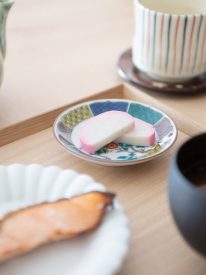
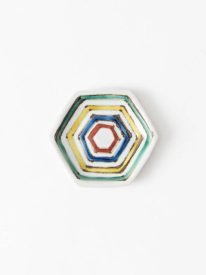
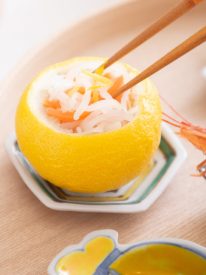
This sauce plate features a hand-painted geometric pattern, showcasing the glossy, thick overglaze paint applied by skilled artisans. Each piece is uniquely hand-painted, giving it a warm and inviting texture. Perfectly sized as a sauce plate, it is also versatile for serving cheese, nuts, condiments, and other small foods. You can also use it for…
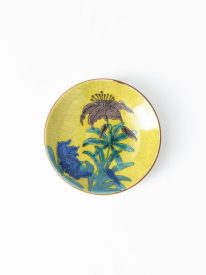
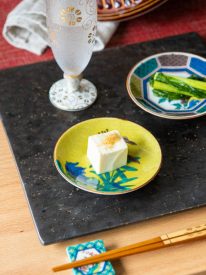
This sauce plate features a lily in Yoshidaya style, a famous traditional style of Kutani ware that combines bright colors that makes this small yet powerful piece stand out. Perfect as a sauce plate, it is versatile to serve any small food such as cheese, nuts, and condiments. You may also place a small portion of…
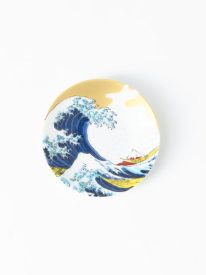
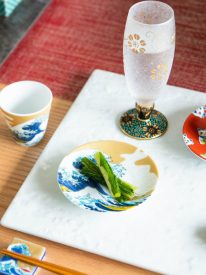
This sauce plate features Hokusai’s The Great Wave off Kanagawa beautifully painted on it. Throughout his life, Hokusai depicted waves as the main subject of his artwork along with Mount Fuji. Hokusai’s expression of the ever-changing movement of water captures the hearts of those who see it, even in modern times. One of the masterpieces of…
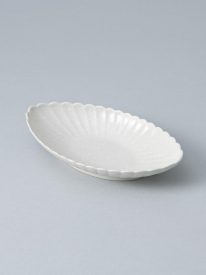
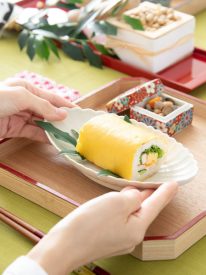
This chrysanthemum shaped oval dinner plate features a matte white color, overlaid with a white speckled glaze that looks like snow. Chrysanthemum is a shape often used in Japanese tableware. Chrysanthemums have meanings such as “love” and “true strength” and are known as an auspicious motif. Perfectly sized to plate an array of side dishes such…
This porcelain sauce plate is painted with an elegant traditional pattern in white, decorated with the pattern called “hanazume,” giving an image of flowers blooming all at once. While Kutani ware is loved for its vibrant colors, the hachi-kutani series features sauce plates all in white. They are made at Seikou Kiln. Seikou Kiln researched Japanese overglaze…
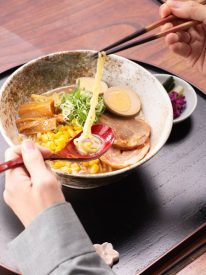
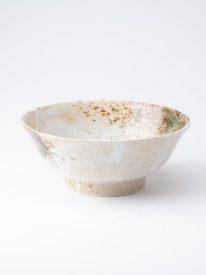
This regular-sized ramen bowl showcases the soft, earthy tones of Shino ware, with shades of brown and green blending seamlessly into a white base. It features a generous application of white glaze, creating a speckled appearance, while the unglazed areas highlight a beautifully rough texture. Originating in Gifu Prefecture during the Azuchi-Momoyama period (1573 CE-1603…

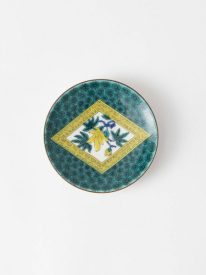 Citrus Medica Sauce Plate
 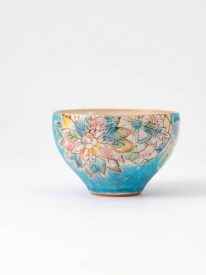 Wind's Path Kobachi Small Bowl