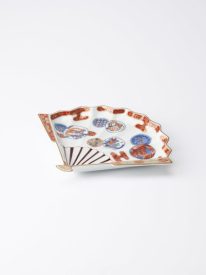
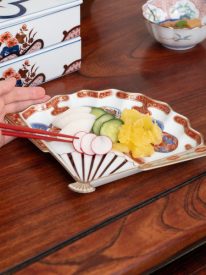
This stunning fan-shaped dinner plate features a modern interpretation of classic old Imari patterns. Modeled after an open folding fan, it has gentle undulations along the surface and black-lined illustrations mimicking wooden frames. A mythical phoenix, with a golden and scarlet tail, is elegantly depicted among traditional Japanese motifs such as chrysanthemums, peonies, and pine…
This sauce plate features fan-shaped motifs alongside an iconic depiction of Mount Fuji. In Japanese culture, the fan motif is regarded as an auspicious symbol that heralds both prosperity and the arrival of good fortune. The technique displayed in this plate is called somenishiki where the plate is first glazed with white and blue patterns…
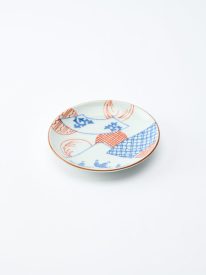
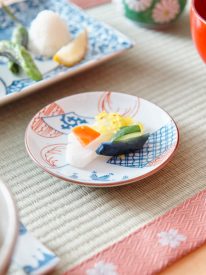
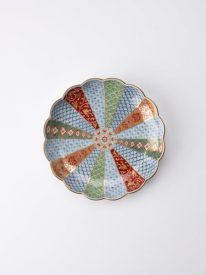
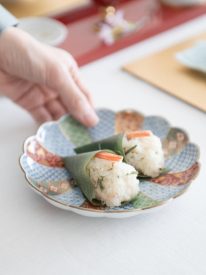
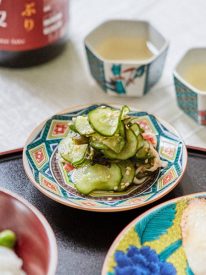
This is a gorgeous Japanese plate with a “chrysanthemum split” design in the old Imari style. The lines extend from the outside to the center and are decorated with different traditional patterns.” Each has its own meaning, such as “seigaiha,” “shigebishi,” and “zuiun.” “Seigaiha” (blue ocean waves) – a symbol of prosperity. “Shigebishi” (dense diamonds)…
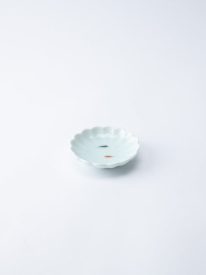
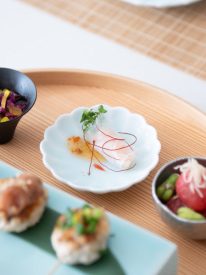
Enjoy the elegant design of chrysanthemum with the natural blue-green luster of celadon in this stylish sauce plate from Kosen Kiln. With its translucent glaze on the blue-jade hue of celadon, a tranquil atmosphere emanates from its glossy exterior, like the calm surface of a glistening pond. Adorning the surface of the sauce plate are Medaka rice fishes…
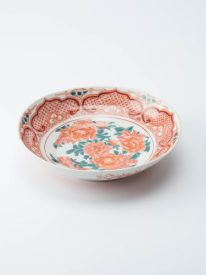
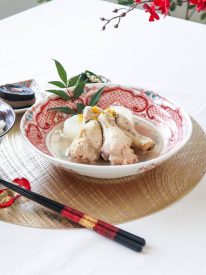
A gorgeous Japanese bowl with intricate paintings by hand. The detailed drawings in the Iidaya/Akae style of Kutani ware are truly remarkable. Not only does it have a beautifully detailed pattern on the inside, but also the patterns on the outside make it a beautiful bowl from every angle. The size is suitable for serving…
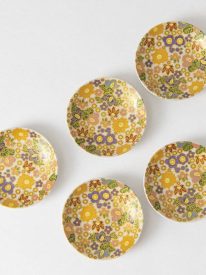
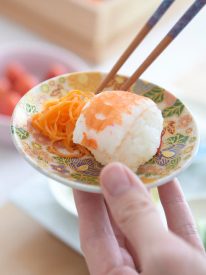
This elegant Japanese small plate set is adorned in “Hanazume” style, decorated by beautiful colorful flowers delicately outlined in gold. Perfect size as a sauce plate. It is also versatile to serve cheese, nuts, condiments, and other small food. Or you may put a small portion of food or relishes in, place it on a…
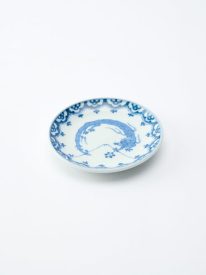
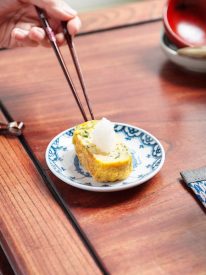
This sauce plate features rinpo, or “wheel-shaped treasure,” along the rim, complemented by an iconic depiction of Mount Fuji with a dragon. In Japanese culture, rinpo is esteemed as an auspicious symbol that signifies harmonious fulfillment. The plate’s size is ideal for sauces, small bites of pickles, fruit, or desserts like wagashi. It stacks neatly with…
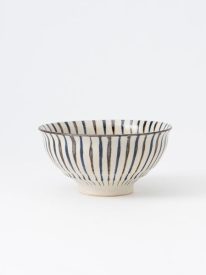
This small-sized donburi bowl features the traditional Japanese tokusa “horsetail” pattern with vertical stripes in dark blue and earthy brown. The rich, rusty hue of the brown, due to its high iron content, gives the bowl a warm, inviting finish. Beloved since the Edo period (1603-1868 CE), this pattern of straight vertical lines is inspired by…
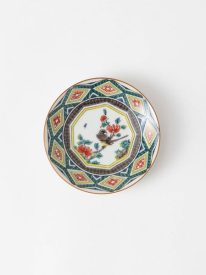
This sauce plate features red flowers and a bird, painted in the traditional ko-Kutani style. Perfectly sized as a sauce plate, it is also versatile for serving cheese, nuts, condiments, and other small bites. For a more stylish and sophisticated presentation, you can serve small portions of food or relishes by placing it on a…
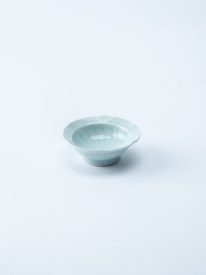
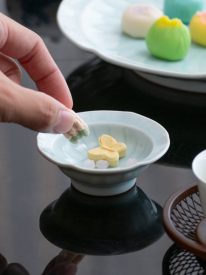
This celadon kobachi small bowl is well-suited for sauces and condiments, and can enrich your tea time with a refined touch when used for small sweets. Celadon, with its beautiful gradient from white to light blue, enhances dish presentation and imparts a cool, refreshing feel. The rim, designed with gentle curves that create a soft…
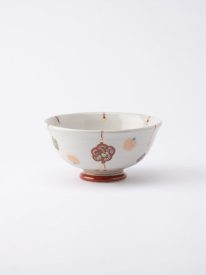
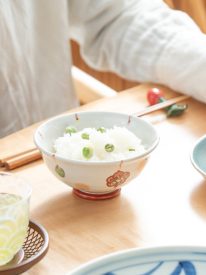
This small rice bowl is decorated with gorgeous and lovely mizuhiki motif. The colorful knots give the bowl a nostalgic and graceful feeling.Kanazawa, the birthplace of Kutani ware, is known for its unique and rare traditional craft called Kaga Mizuhiki. Made by Kokuzou Kiln, known for the gentle and warm stoneware with beautiful colors and elegant…
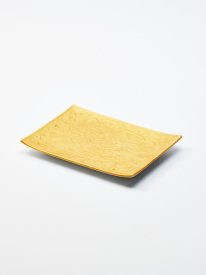
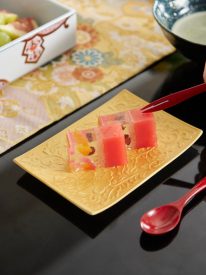
With its delicate, almost lace-like monochromatic elegance, this gold-colored plate is a unique take on a floral pattern from a dyeing technique originally imported to Japan from India. Sarasa, better known in the West as chintz or calico, is presented here in a luxurious and sophisticated style. Sarasa patterns were seen in dyed cotton textiles…


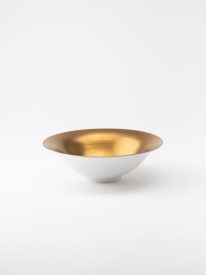 Japan Autumn Gold Medium Bowl
 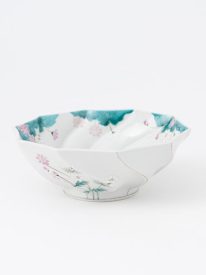 Cosmos Medium Bowl
 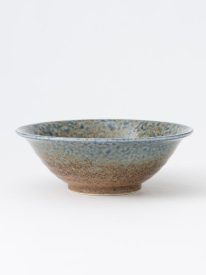 Sand Indigo Ramen Bowl S