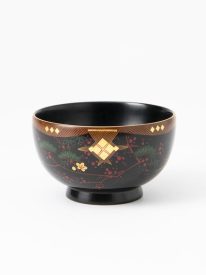
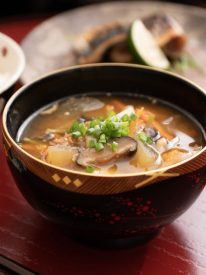
This soup bowl is hollowed out from Japanese horse chestnut, which is the best material for wood bowls. It has a slightly matte texture in calm black color.The lacquering process, from the base coat to the top coat, has been inspected for designation as a traditional Aizu lacquerware craft.Aizu-e, the traditional design of Aizu lacquerware,…
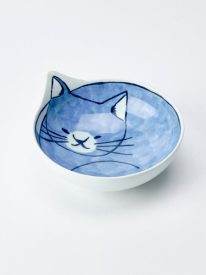
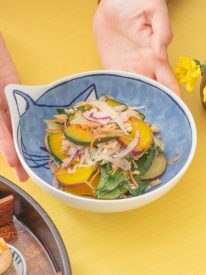
This Hasami ware bowl features a lovely blue cat. The cat is depicted with slightly pointed ears in an adorable curled-up pose, giving the bowl a unique and charming design. The carefully shaded colors on the body enhance the bowl’s charm, making the overall design even more endearing. The smooth porcelain texture and indigo color…
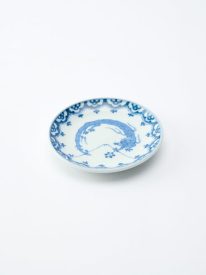
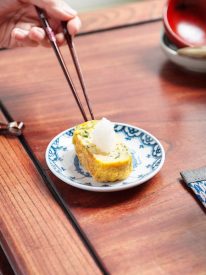
This sauce plate features rinpo, or “wheel-shaped treasure,” along the rim, complemented by an iconic depiction of Mount Fuji with a dragon. In Japanese culture, rinpo is esteemed as an auspicious symbol that signifies harmonious fulfillment. The plate’s size is ideal for sauces, small bites of pickles, fruit, or desserts like wagashi. It stacks neatly with…
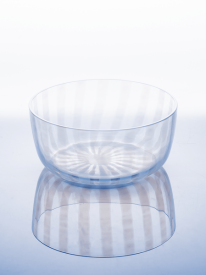
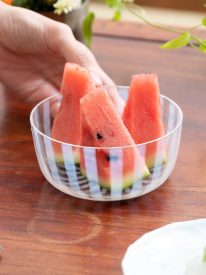
This is a glass bowl with the tokusa “horsetail” pattern from the Taisho Roman glass series by Hirota Glass, a long-established glass manufacturer in Tokyo. The tokusa motif, cherished since the Edo period (1603 CE-1868 CE), symbolizes growth and prosperity. Its straight, upward-reaching lines embody aspirations for success and flourishing, making it a beloved design through…
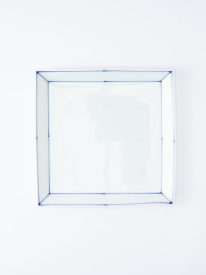
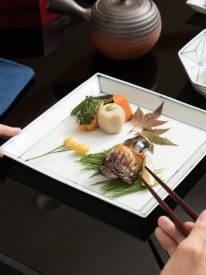
This square plate is perfectly suited for serving main dishes. The lines drawn along the rim accentuate the dish elegantly. Employing a technique of “Sometsuke” (underglaze cobalt blue) painting on a base brilliantly fired to a pure white, each piece is meticulously crafted, embodying the essence of Seto Sometsuke ware. Since the painting is done…
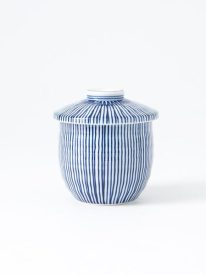
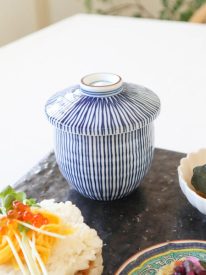
This chawanmushi (Japanese steamed egg custard) bowl has a simple and modern design which looks great on any table. If you make chawanmushi with it, it will give you the authentic taste and atmosphere of a Japanese restaurant. When the lid is removed, it can also be used as a teacup. The Tokusa series by the…
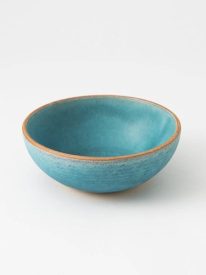
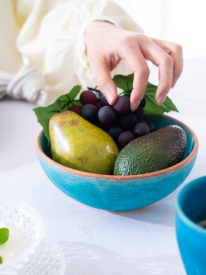
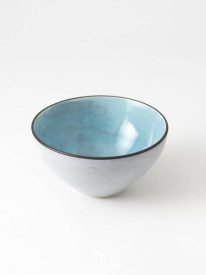
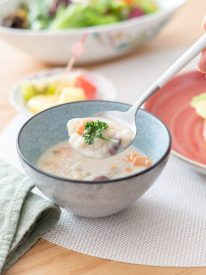
This simple and modern bowl features a beautiful turquoise color. The glaze’s appearance varies uniquely with each piece according to the conditions during firing, resulting in a naturally exquisite shade of blue. The 17.8 cm (7 in) size is perfect for smaller servings of salads, appetizers, aemono (seasoned dishes), or nimono (simmered dishes). Its shallow shape…
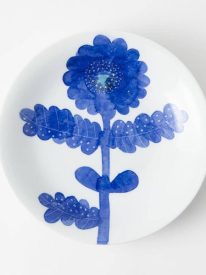
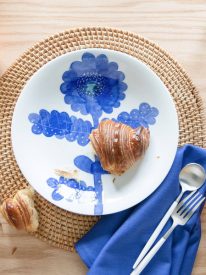
This beautiful round plate features blue flowers as if painted with watercolors. The bright design resembles blooming flowers, bringing a joyful atmosphere to the table. It is painted by the female artist, Alyne Ohigashi, who was born in the Philippines. She uses a unique technique called washi-zome (Japanese paper dyeing) and continues her ideal stoneware-making in…
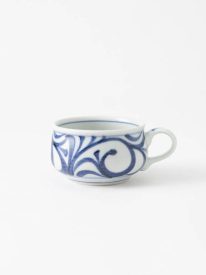
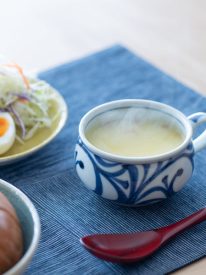
This small soup cup showcases a classic arabesque pattern, one of the defining motifs of Tobe ware. The indigo shade lends a modern touch, while the hand-painted nature motifs bring a sense of warmth and craftsmanship to each piece. With its soft, rounded shape, this cup creates a cozy, relaxing ambiance. While designed for soup,…
This simple and modern medium bowl has a beautiful bright blue color. Handcrafted by Hibino Ceramic, which specializes in making tableware that brings out the best in dish and makes it look beautiful and appealing. As well as its excellent design, it is durable and easy to use which makes it is widely used in…
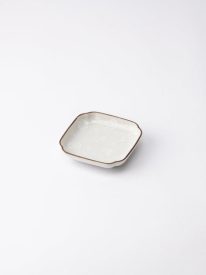
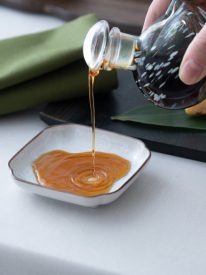
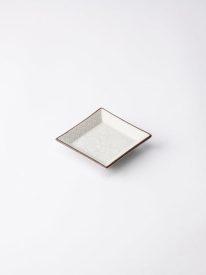
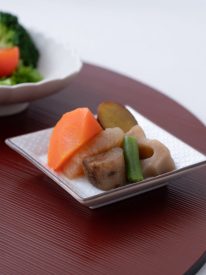
While Kutani Ware is loved for its vibrant colors, the hachi-kutani series features sauce plates all in white. They are made at Seikou Kiln. Seikou Kiln researched Japanese overglaze paint of Kutani ware for years. Thick overglaze paint with traditional Japanese paints is the same quality as hand paint and brings out a sense of…
This porcelain sauce plate is painted with an elegant traditional pattern in white, decorated with the pattern called “hanazume,” giving an image of flowers blooming all at once. While Kutani ware is loved for its vibrant colors, the hachi-kutani series features sauce plates all in white. They are made at Seikou Kiln. Seikou Kiln researched Japanese overglaze…

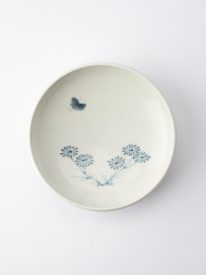 Le Sanpei Chrysanthemum And Butterfly Arita Bowl
 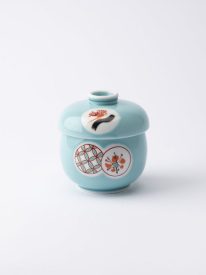 Celadon Circle Pattern Chawanmushi Bowl
 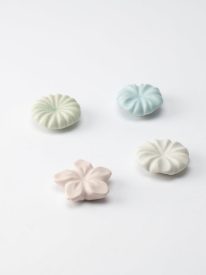 RINKA Usuki Chopstick Rest Set
 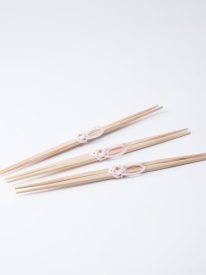 Hirohashi Rabbit Mizuhiki Yoshino Cedar Chopsticks (Set of 3 Pairs)
 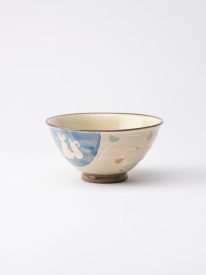 Aizen Kiln Indigo Blue Rabbit Hasami Children's Large Japanese Rice Bowl
 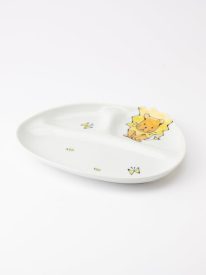 Lion Hasami Wave Children's Divided Plate
 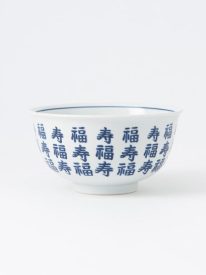 Fukujyu Medium Bowl
 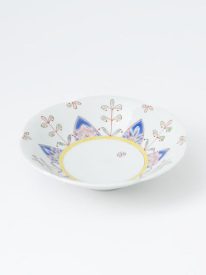 Blue Dream Medium Bowl
 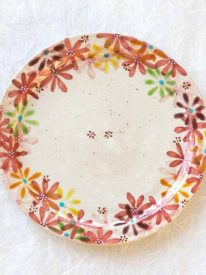 Kokuzou Kiln Flower Party Red Kutani Round Plate 8.6in