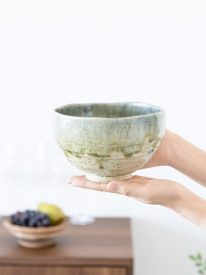
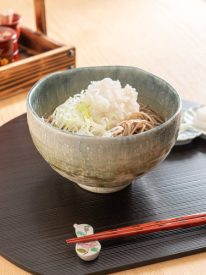
With its captivating green ash glaze and natural stoneware texture, this large donburi bowl exudes an organic charm and a comforting warmth, perfectly reflecting the artistry of the handmade process. The bowl is perfect for a variety of donburi dishes, such as gyudon and oyakodon, and for noodle dishes like udon or soba. With its…
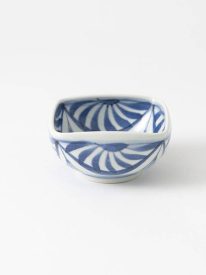
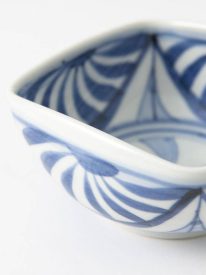
This square kobachi small bowl features a hand-painted chrysanthemum pattern with a modern, geometric design. The indigo shade adds a contemporary touch, while the natural motifs convey the warmth of hand-painting. It’s perfect for serving a variety of side dishes, such as tangy sunomono or slowly simmered nimono. The bowl’s shape stands out with its…
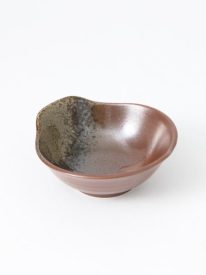
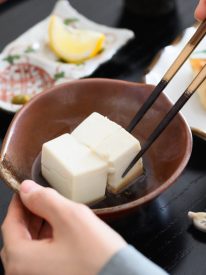
This tonsui bowl stands out for its subtle reddish-brown color. Slightly larger than a typical tonsui, it can hold plenty of soup from a hot pot. By placing your fingers on the handle, you can grip it securely without feeling too much heat. Although tonsui bowls are primarily used for hot pot dishes, they also…
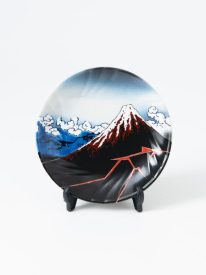
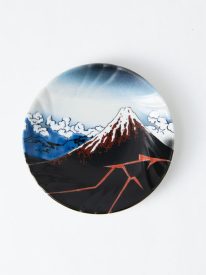
This plate features “Kuro(Black)Fuji”, said to be a twin of “Aka(Red)Fuji” by Katsushika Hokusai.Different from the majestic and generous Fuji in “Aka Fuji,” “Kuro Fuji” depicts a wild and stormy Mt Fuji with the summer cumulonimbus clouds and lightning, giving the impression of nature’s strength and dynamism. Hokusai draws many pictures with Mt. Fuji as…
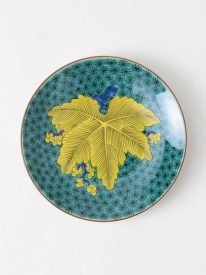
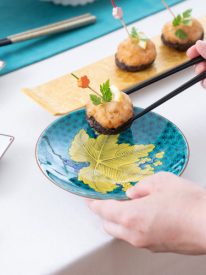
The side plate features a large yellow sycamore leaf in ko-Kutani (old Kutani) style, dating back to mid-17th century, depicting the nature-themed daring design and distinctive bright colors of Kutani ware. With a diameter of 15 cm (5.9 in), it is perfect as an extra plate for the side dishes or desserts. You can use…
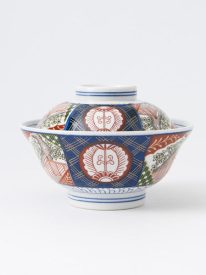
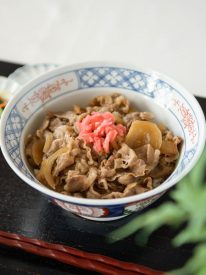
This regular-sized Japanese donburi rice bowl features sakura, or cherry blossoms, framed by dark blue, lattice-like patterns, all rendered in the traditional nishiki-e style. Nishiki-e, meaning “brocade picture,” is a multi-colored woodblock print technique that revolutionized ukiyo-e during the Edo period (1603-1868 CE), when most prints were in black and white. The lid helps keep the…
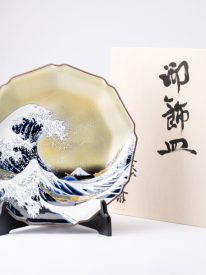
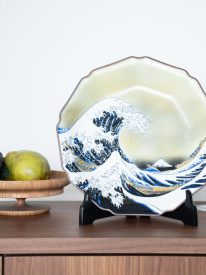
The large plate features the Japanese artist Katsushika Hokusai’s ukiyo-e painting The Great Wave, which depicts surging waves and three boats, and silently standing Mount Fuji in the distant background under the golden sky. Throughout his life, Hokusai painted waves as the main subject of his paintings along with Mount Fuji. Hokusai’s expression of the…
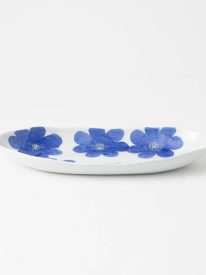
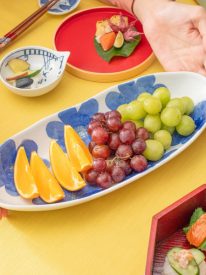
This beautiful oval bowl features soft blue flowers as if painted with watercolors. The bright design resembles blooming flowers, bringing joyful atmosphere on the table. It is painted by the female artist, Alyne Ohigashi, who was born in Philippines and uses a unique painting technique called washi-zome and continues her ideal stoneware-making in Higashi Kiln, one…
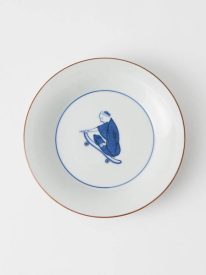
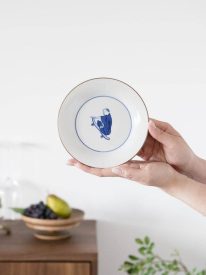
A unique side plate featuring a man on a skateboard. This kind of free-spirited, playful design is iconic to Kutani Choemon and serves as a wonderful example of how traditional craftsmanship meets modern creativity. This fun and versatile small plate is perfect for serving side dishes, snacks, or desserts during meals and tea time. It…
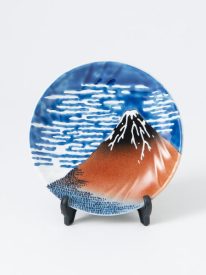
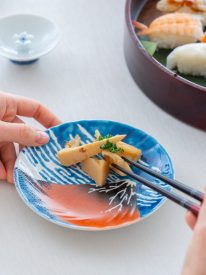
The plate features Red Fuji, capturing the moment of the rising sun turning Mount Fuji red in a clear early morning. With the combination of Kutani ware with the masterpiece of the genius artist Hokusai Katsushika, the plate has truly an eye-stopping charm for anyone. The size is great for serving side dishes, pieces of…
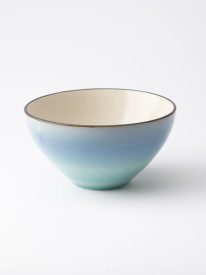
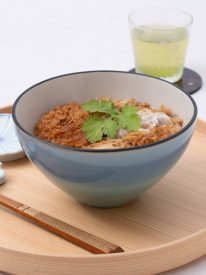
Elegant and modern, this medium bowl features a stunning gradient of blue hues. This donburi bowl showcases the distinctive crack-like texture of kannyu, a crazed surface formed by the differing expansion rates of clay and glaze. These delicate patterns add depth and character to the design. In addition to its striking appearance, the bowl is highly…
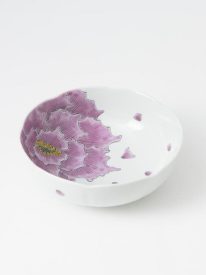
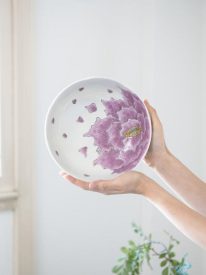
The large bowl features a beautiful pink peony, hand-painted by artist Fukuda Yoshinori. A large peony is designed to fit the round bowl, with scattered petals drawn around it and on the outside of the bowl. Rooted in the rich tradition of Kutani ware, Fukuda Yoshinori brings his mastery of akae, Yoshidaya, and ko-kutani styles…

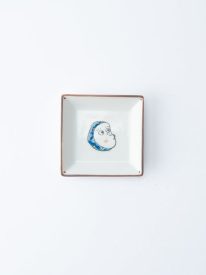 Hyottoko Square Sauce Plate
 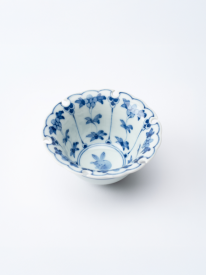 Snowflake-Shaped Rabbits and Vines Kobachi Small Bowl
 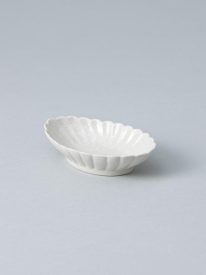 White Chrysanthemum Oval Sauce Plate
 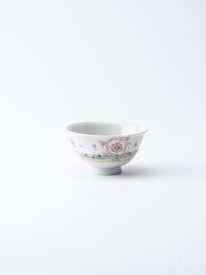 Floral Rondo Japanese Rice Bowl
 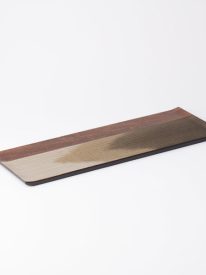 Tin Ginsai Echizen Lacquerware Serving Tray
 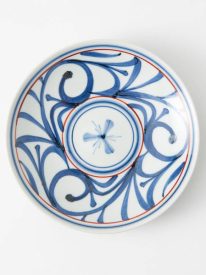 Red Line Arabesque Round Dinner Plate
 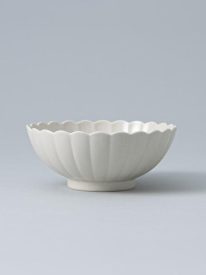 White Chrysanthemum Kobachi Small Bowl
 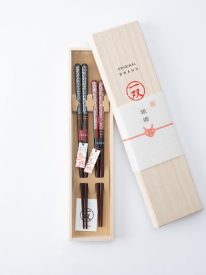 Ginkon Celebration Chopsticks Pair Set
 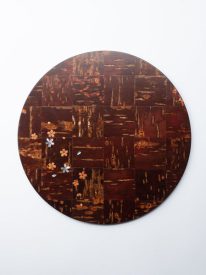 Yatsuyanagi Shell Inlay Checkered Pattern Akita Cherry Bark Work Plate 12.7 in
 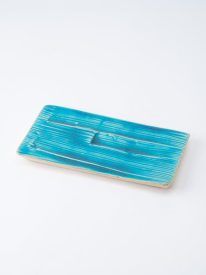 Malibu Turquoise Rectangle Side Plate
 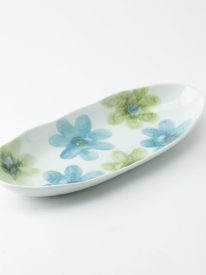 Light Fleur Long Serving Plate
 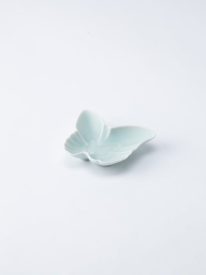 Moist Butterfly Sauce Plate
 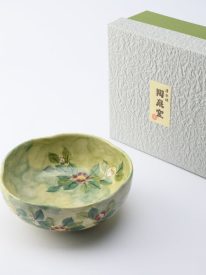 Tosen Kiln Camellia Kiyomizu Ware Bowl
 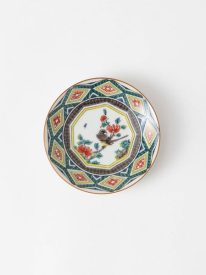 Red Flower and Bird Sauce Plate
 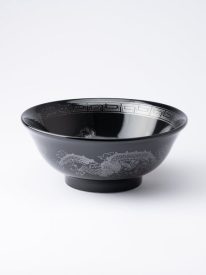 Silver Dragon Mino Ware Ramen Bowl M
 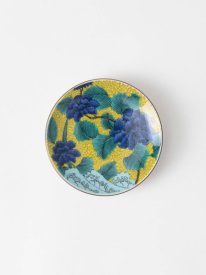 Blue Peony Sauce Plate
 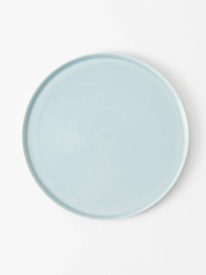 Givre Round Side Plate
 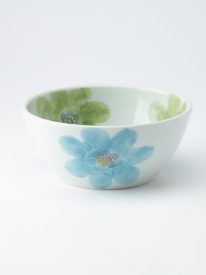 Light Fleur Donburi Bowl M
 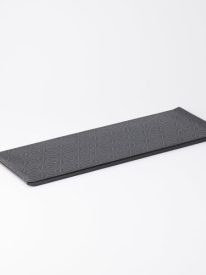 Hemp Leaf Pattern Washi Echizen Lacquerware Serving Tray
 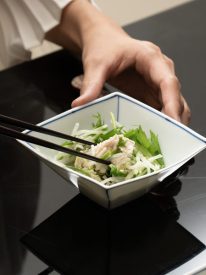 SINGAMA Blue Line Seto Ware Square Kobachi Bowl 4.5in
 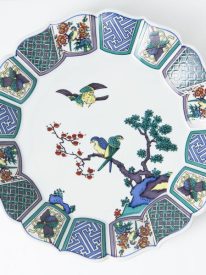 Ko-Kutani Style Bird Kutani Large Plate
 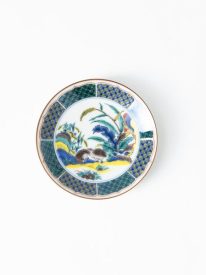 Quail Sauce Plate
 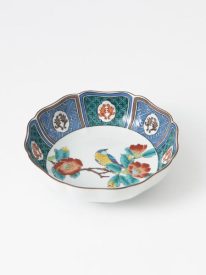 Camellia and Bird Kutani Bowl
 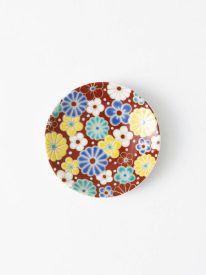 Plum and Chrysanthemum Sauce Plate
 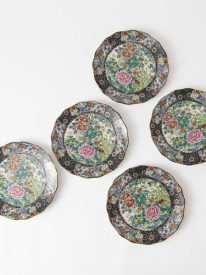 Nishiki-e Kutani Round Plate Set
 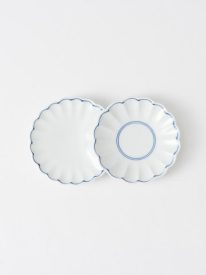 Two Chrysanthemums Circle Sauce Plate