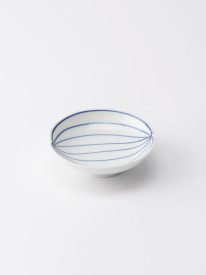
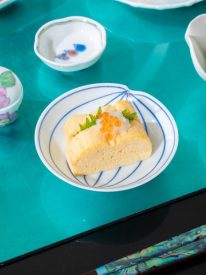
On this white porcelain sauce plate, lines in sometsuke “Blue and White” style form smooth and elegant curves, representing leaf veins. These lines are hand-painted by artisans, with subtle variations in thickness and shade making each unique. When using this plate, you can feel a closeness to nature. Sometsuke is a technique that applies indigo color…
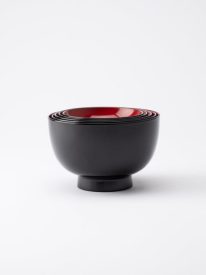
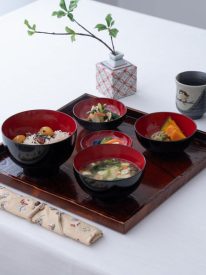
While utilizing Yamanaka lacquerware techniques, this product is made of resin, and is recommended for those who want to enjoy “Oryoki” in a casual manner. The combination of black on the outside and red on the inside is chic and glamorous, and is recommended not only for daily use but also when entertaining guests. In…
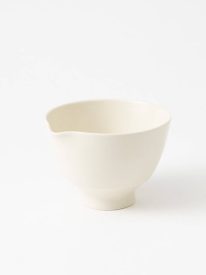
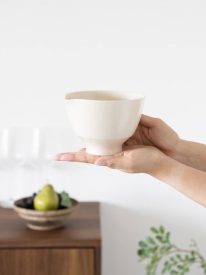
This Japanese bowl with spout from the “Une” series is made by Taniguchi Seidojo, which has been making Kutani ware clay for three generations. The carefully selected clay of Kutani ware, known as Hanasaka ceramic stone, is inevitably discarded during the clay making process. The silky, transparent, beautiful beige glaze was created to make the…
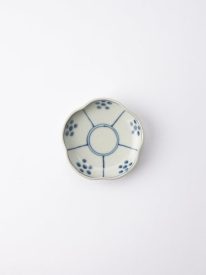
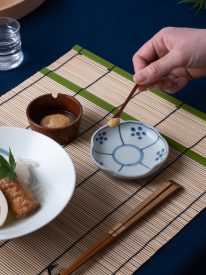
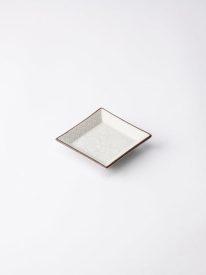
This plum-shaped sauce plate is made by Ri Sanpei (Yi Sam-pyeong) Kiln, a brand by the descendant of Yi Sam-Pyeong, the discoverer of white porcelain ore. The thick and round edge gives a soft and welcoming atmosphere. It is a perfect size for serving sauce or snacks like nuts and candies. Also, you can put a…
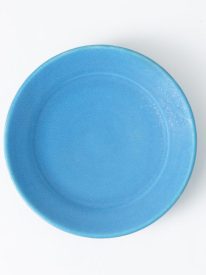
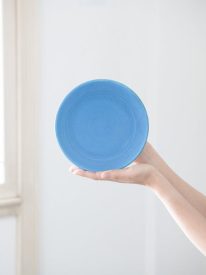
This Japanese plate features a beautiful, bright turquoise color. It is made by Kokuzou Kiln, renowned for its gentle and warm stoneware with vibrant colors and elegant designs. Kokuzou Kiln aims to transform everyday tableware into something truly special. This series was completed over a full year from the desire to create the original beautiful…
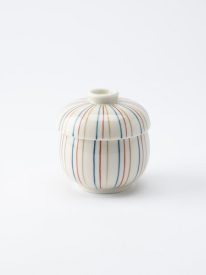
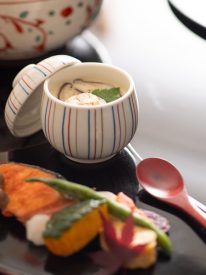
Enjoy delicious chawanmushi, Japanese steamed egg custard, in this beautiful Arita ware chawanmushi bowl. This Chawanmushi bowl is painted in the “Tokusa (Horsetail)” pattern which is a classic motif that has been beloved since the Edo period (1603 CE – 1867 CE). Its straight-growing appearance symbolizes wishes for growth and prosperity. And the three subdued colors…
This porcelain sauce plate is painted with an elegant traditional pattern in white, decorated with the pattern called “hanazume,” giving an image of flowers blooming all at once. While Kutani ware is loved for its vibrant colors, the hachi-kutani series features sauce plates all in white. They are made at Seikou Kiln. Seikou Kiln researched Japanese overglaze…
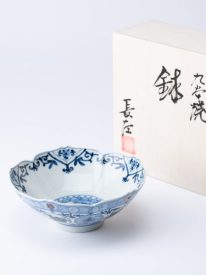
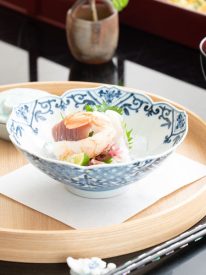
This bowl features exquisite sometsuke designs with colored details hand-painted by master craftsman Yamamoto Choza. The bottom of the bowl is adorned with a flower and bird motif, while the exterior is lavishly decorated with traditional auspicious patterns across its entirety. The intricacies of each design invite a closer look. The porcelain base is crafted…
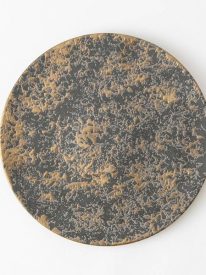
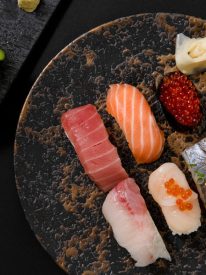
This stunning dinner plate combines matte black with muted gold tones, creating an eye-catching and modern design. Its sophisticated color palette makes it a versatile choice for any table setting. Durable and practical, it’s favored by restaurants in Japan and beyond. Ideal for serving sashimi, sushi, or tempura, it also works beautifully for generous servings…
A small side plate in burgundy, perfect for single servings. Although small in size, the old Imari floral patterns are painted with precision which shows the high quality craftsmanship of the Arita Porcelain Lab tableware. Part of the Japan Autumn series, this piece showcases the beauty of Japanese autumn leaves. All colors in this series are…
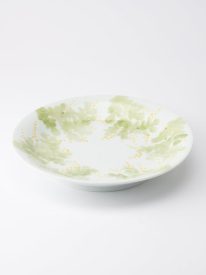
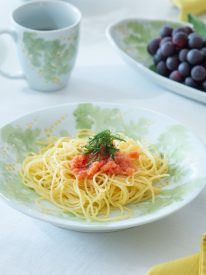
A beautiful mimosa design is painted on a white porcelain canvas. Small dots painted in gold are scattered, adding a discreet accent to the overall design. The refreshing impression of this plate is a perfect match for whatever you place on it. It is painted by the female artist, Alyne Ohigashi, who was born in…
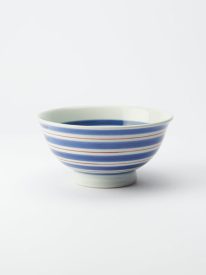
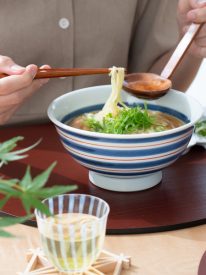
Thick blue and fine red lines alternate around the whole exterior of snow-white porcelain of this donburi bowl. The blue lines are drawn using the traditional gosu pigment, while the red accents enhance the design. The hand-painted blue patterns are made using the tsuketate technique, where each stroke is applied without outlines. This gives the bowl…

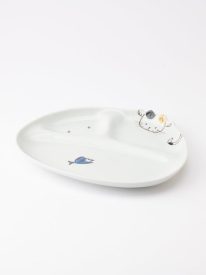 Cat Hasami Wave Children's Divided Plate