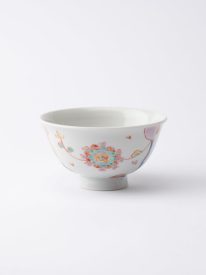
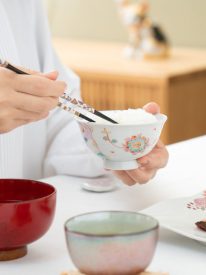
This rice bowl features flower shaped balloon delicately painted by artisans of Ginshu Kiln, which is especially known as its romantic and playful pastel colored painting. The painted areas have a slightly raised texture, a characteristic of Kutani ware, which is traditionally hand-painted using Japanese coloring pigments and a brush. With a diameter of 10.5 cm(4.1…
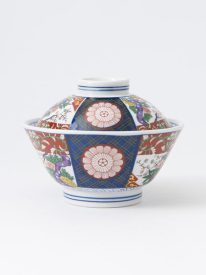
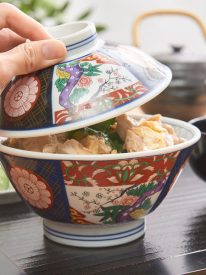
This small-sized Japanese donburi rice bowl features peonies, framed by dark blue, lattice-like patterns, all rendered in the traditional nishiki-e style. Nishiki-e, meaning “brocade picture,” is a multi-colored woodblock print technique that revolutionized ukiyo-e during the Edo period (1603-1868 CE), when most prints were in black and white. The lid helps keep the food warm and…
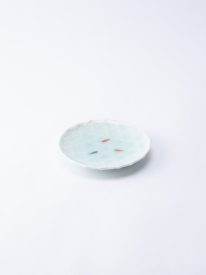
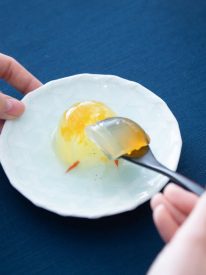
Enjoy the refined natural blue-green luster of celadon with this stylish side plate from Kosen Kiln. This porcelain piece captivates with its intricately woven basket-like design on both sides. The translucent glaze on the blue-jade hue of celadon, creates a tranquil atmosphere emanating from the plate’s glossy surface. Medaka rice fishes are depicted with such realism…
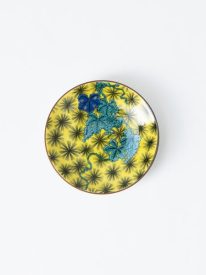
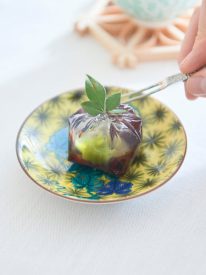
The Japanese plate features a grape and vines in Ko-Kutani (old Kutani) style, dating back to mid-17th century, depicting the nature-themed daring design and distinctive bright colors of Kutani ware. Perfect size as a sauce plate. It is also versatile to serve cheese, nuts, condiments, and other small food. Or you can put a small…
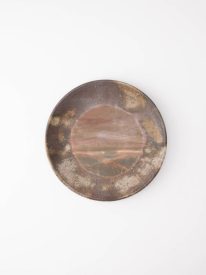
The Hozan Kiln Side Plate embodies the earthy textures and colors characteristic of Bizen ware. Rounded pieces of refractory clay are placed between the plates before they are fired in the kiln. As the ashes do not cover these spots, a natural round ring design forms on the plate. The rounded shape resembles a traditional…
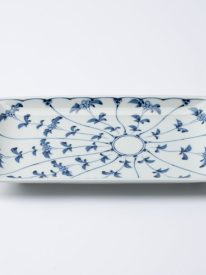
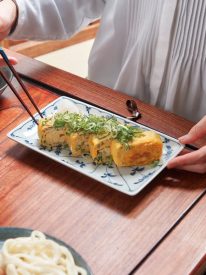
This elegant rectangular dinner plate is produced by Takayama, renowned for Hasami porcelain. The entire surface features the striking wari-kusabana motif of stemmed flowers separated by scrollwork, which has long been cherished as a symbol of renewal and hope for its ability to flourish even in harsh conditions. Delicate yet powerful, this pattern enhances the…
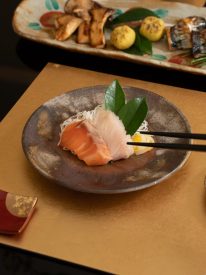
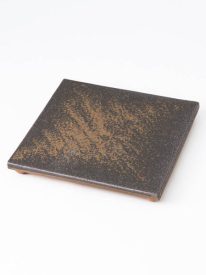
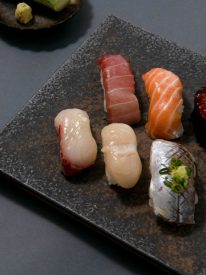
This Japanese square dinner plate features a stunning matte and rough texture, with chic tones of gray and brown that embody the beauty of wabi sabi, adding a refined touch to any dining table. Ideal for presenting appetizers, main courses, and side dishes alike, it’s also perfect for sashimi, sushi, tempura, and grilled wagyu. With…
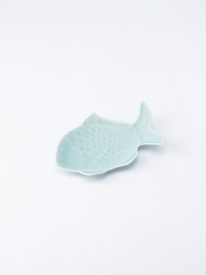
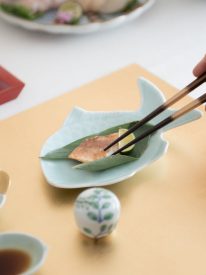
The graceful matte celadon texture of this sea bream-themed side plate conveys tenderness the moment you touch it. The fish motif is delicately engraved with varying depths, creating a harmonious interplay of patterns beautifully enhanced by the magnificent shading of the celadon porcelain. Sea bream, known as tai in Japanese, has long been served at…
This beautiful plate depicts Sakura (cherry blossoms) and autumn maple leaves, which are popular spring and autumn motifs in Japan. The gently wavy rim creates an elegant atmosphere that matches the painting drawn. It is made by Kokuzou kiln, known for its gentle and warm stoneware, and features beautiful painting with watercolor-like transparency and luster,…
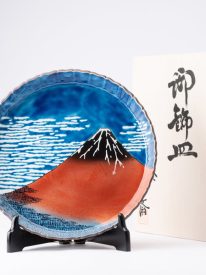
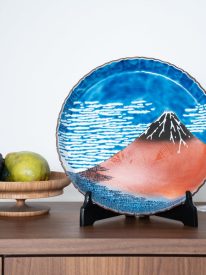
The large plate features Red Fuji, capturing the moment of the rising sun turning Mount Fuji red in a clear early morning. Red Fuji is known to bring good fortune. With the combination of Kutani ware with the masterpiece of the genius artist Hokusai Katsushika, the plate has truly an eye-stopping charm for anyone. The…
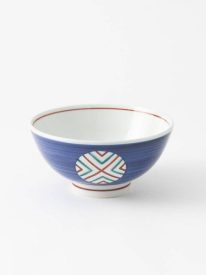
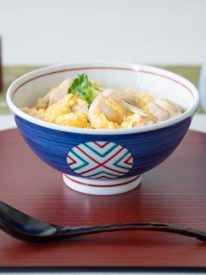
Featuring a sharp red and green pattern peeking out from a large round cut-out shape, called marunuki, this large donburi bowl makes a strong visual impression. The pattern stands out against a striking indigo blue background. The bright red is echoed on the foot of the bowl and the inner rim, creating a beautifully balanced design…
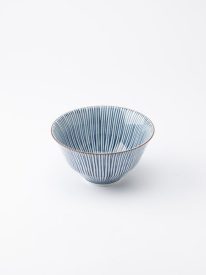
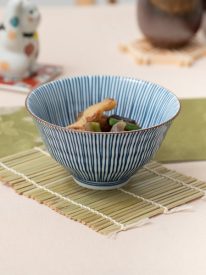
This small-sized donburi bowl from Fukuhou Kiln features the traditional Japanese tokusa “horsetail” pattern. Its depth helps retain the food’s warmth while adding a touch of style and practicality. Beloved since the Edo period (1603 CE-1868 CE), this pattern of straight vertical lines is inspired by the Japanese plant tokusa, known in English as rough…

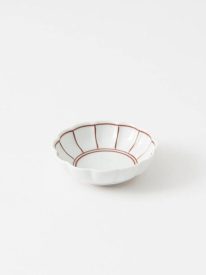 Red Chrysanthemum Kobachi Small Bowl