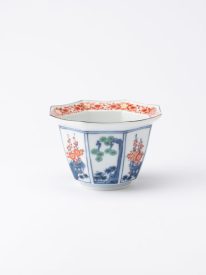
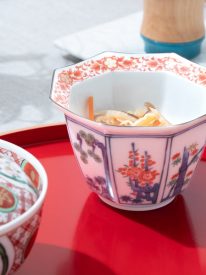
This kobachi small bowl is decorated in the Kakiemon style. The Kakiemon style is known for its elegant compositions that use blank spaces to highlight the porcelain’s beautiful milky white color, with delicate depictions of flowers and birds in natural landscapes. The bowl has an octagonal shape with an outward-extending rim. Its depth makes it…
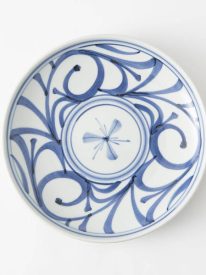
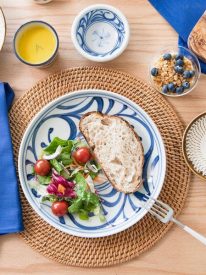
This beautiful dinner plate features a hand-painted arabesque pattern, a signature motif of Tobe ware. The indigo shade adds a contemporary touch to the traditional design. With its thick, rounded rim, this plate brings a soft, welcoming feel to your table. Durable and crafted for long-term use, it’s ideally sized for serving main dishes like sushi,…
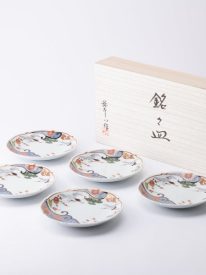
This set of five plates depicts a festive crane and waves. Decorated with other auspicious motifs such as pine, bamboo, plum, and chrysanthemum, it is perfect for celebrations and other occasions. These plates are beautifully decorated reflecting the high-quality craftsmanship handed down for generations within Arita Porcelain Lab’s long history. The technique displayed in this…
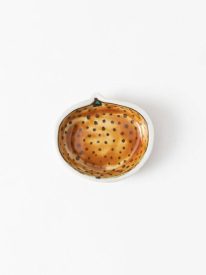
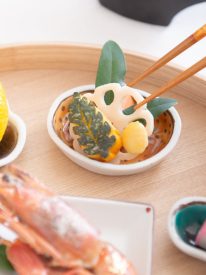
This sauce plate takes the shape of a mikan (mandarin orange), capturing its charming form and vibrant essence. The hand-painted design adds a sense of warmth and character. Perfectly sized as a sauce plate, it is also versatile enough to serve cheese, nuts, condiments, and other small bites. You can also use it to hold…
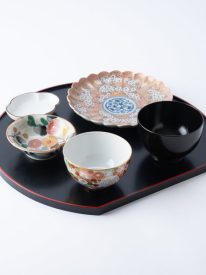
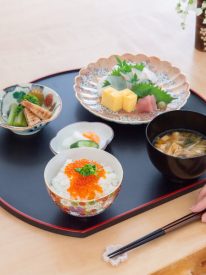
The Quiblas Mono Opulent Floral Dinnerware Set consists of tableware featuring flower motifs such as sakura, cherry blossoms, and kiku, chrysanthemums, adorned with gold accents.The combination of these flowers imparts a distinct and remarkable floral elegance of spring to the set, capturing the essence of traditional aesthetics. Experience the pleasure of an authentic Japanese meal,…
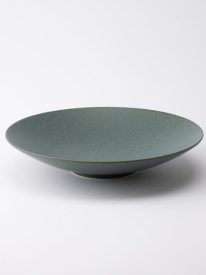
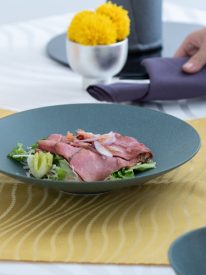
This is an easy-to-use deep plate characterized by a moody green color, reminiscent of a deep forest. Instead of shiny, bright gems, the design is chic and modern, featuring subdued tones and matte textures like Jade gemstones. The deep green tones go well with warm-colored foods such as red, yellow, and orange. Even a few bright…
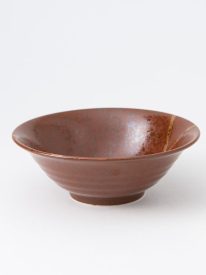
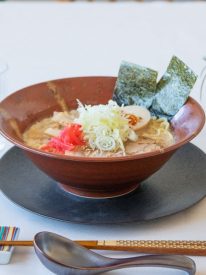
The popular children’s game of ayatori “cat’s cradle” serves as a unique design inspiration for this regular-sized ramen bowl. The bowl’s deep red-brown surface is elegantly adorned with bold, intersecting lines in light brown, reminiscent of the game’s threads. Shaped using a potter’s wheel, this piece has a pleasant weight and warmth to the touch that…
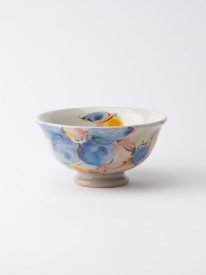
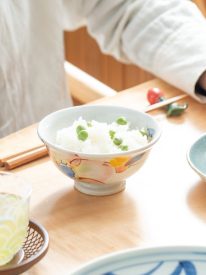
This Japanese rice bowl is decorated with colorful flowers painted on warm white glazed stoneware. Handcrafted on a potter’s wheel, its shape allows you to experience the natural warmth of stoneware in your hands. With a diameter of 11.5 cm (4.5 in), this bowl is ideal for serving rice. Its versatile design also makes it…
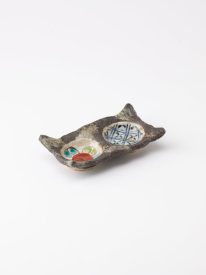
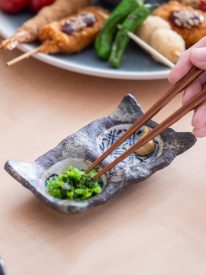
This sauce plate has a camellia motif painted on a “yakishime” base, which is unglazed pottery fired at a high temperature. It is an eye-catching piece on the table with a rustic and warm atmosphere that brings out the best of hand-drawn lines and handmade shapes.There are two places to put sauces and condiments, which is…
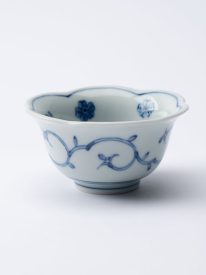
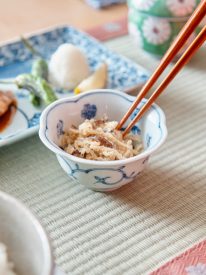
This elegant petal-rimmed kobachi small bowl is crafted by Takayama, renowned for Hasami porcelain. In the classic blue and white of sometsuke, it features an interior pattern of a blooming peony surrounded by waves and gently falling sakura. The exterior is adorned with karakusa scrollwork of budding vines. This pattern has long been cherished in…
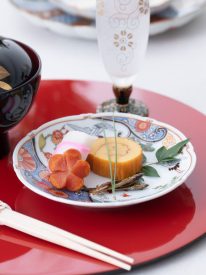
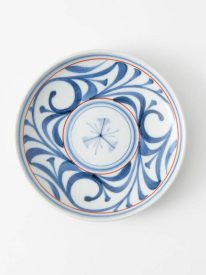
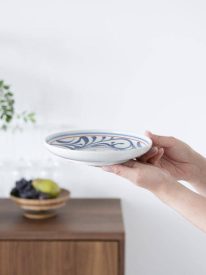
This side plate features a hand-painted arabesque pattern, a signature motif of Tobe ware. The swirling indigo lines are accented with fine red details along the inner rim, adding a subtle vibrancy to the traditional motif. Perfect for small cuts of grilled dishes, sides, or desserts, this plate combines practicality with aesthetic appeal. The subtly raised…
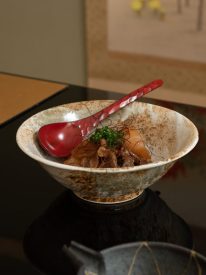
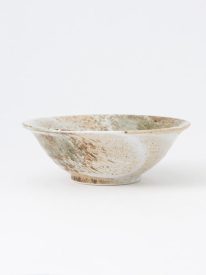
The beautiful white hue of this small ramen bowl is a hallmark of Shino ware. The speckled glaze creates a design that feels both liberating and sophisticated. Shino ware is a type of Mino ware, originally fired in Mino, Gifu Prefecture, during the Azuchi-Momoyama period (1573-1603 CE). While most of the bowl is glazed, offering…

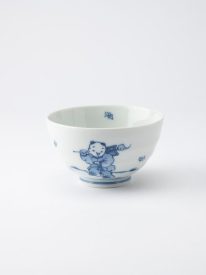 Karako Rice Bowl
 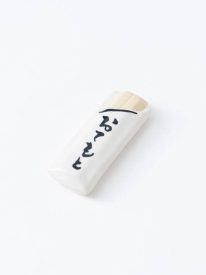 Otemoto Wrapper Chopstick Rest
 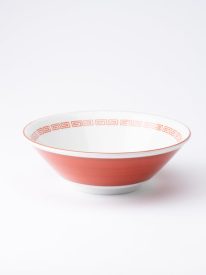 Red Phoenix Mino Ware Ramen Bowl M
 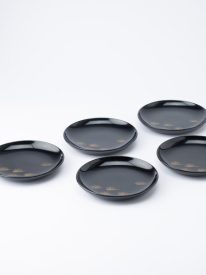 Pine Echizen Lacquerware Black Side Plate Set
 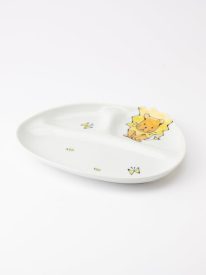 Lion Hasami Wave Children's Divided Plate
 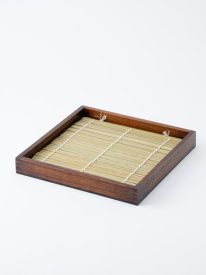 Yamanaka Lacquerware Square High Japanese Soba Tray
  Elephant Wave Japanese Rice Bowl S
 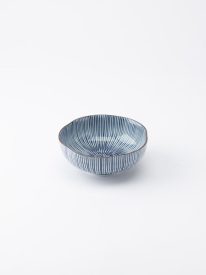 Fukuhou Kiln Tokusa Hasami Kobachi Bowl
 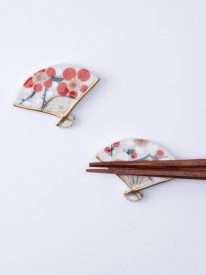 Red and White Plum Blossom Fan Kyo Ware Chopstick Rest Set
 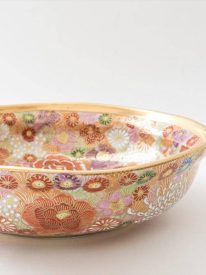 Hanazume Large Bowl
 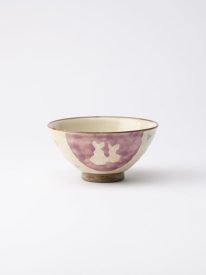 Aizen Kiln Pink Rabbit Hasami Children's Small Japanese Rice Bowl
 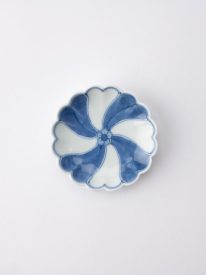 Twist Chrysanthemum-Shaped Sauce Plate
 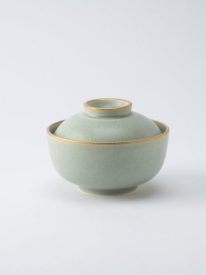 MERU Sui Gold Line Mino Ware Kobachi Bowl with lid
 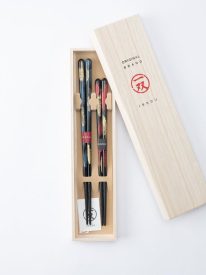 Akebono Chopsticks Pair Set
 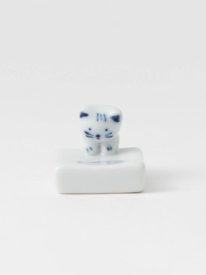 Cat MATE Chopstick Rest
 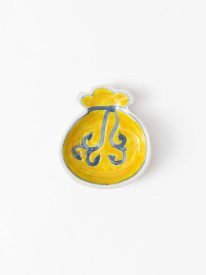 Treasure Bag Sauce Plate
 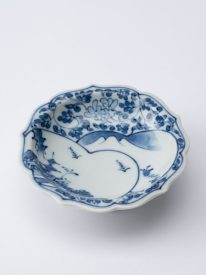 Raised Base Landscape Sauce Plate
 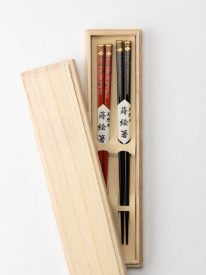 Pine, Bamboo and Plum Chopsticks Pair Set
 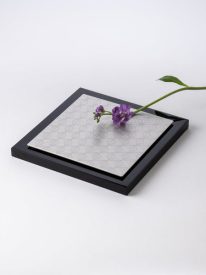 Hemp Leaf Pattern Aluminum and Lacquerware Side Plate
 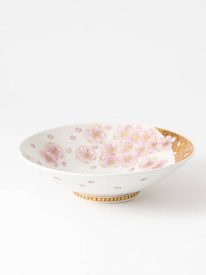 Kinrande Sakura Kutani Bowl
 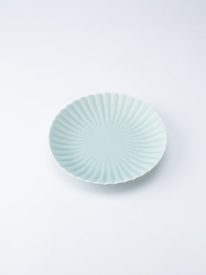 Moist Chrysanthemum Shape Main Plate
 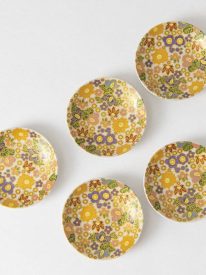 Modern Hanazume Kutani Sauce Plate Set
 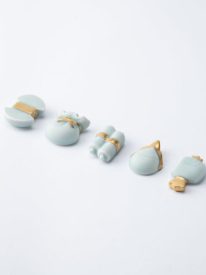 Moist Collection of Treasures Chopstick Rest Set
 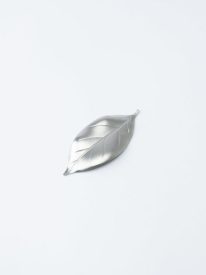 Tsubame Hutlery Silver Camellia Leaf Chopstick Rest
 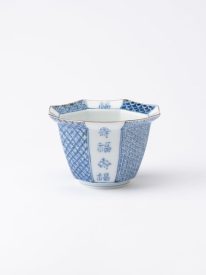 Old Imari Fukujyu Octagonal Kobachi Bowl
 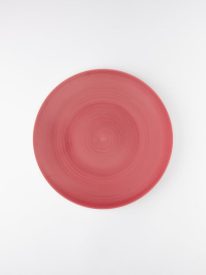 Japan Autumn Red Dinner Plate 8.3 in
 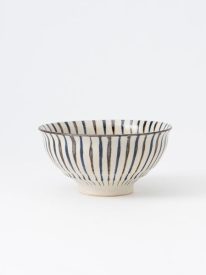 Tokusa Donburi Bowl S
 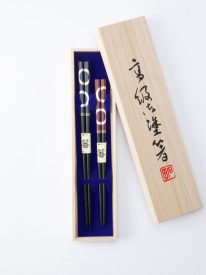 Gold and Silver Circle Set of Chopsticks Pair Set
 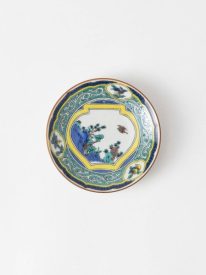 Bird and Pot Sauce Plate
 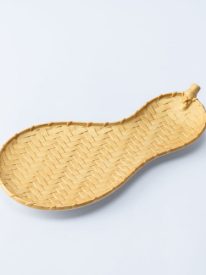 Gold Gourd Dinner Plate
 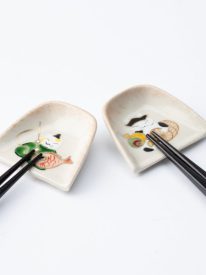 Hozan Kiln Twin Lucky Gods Cats Kyo Ware Chopstick Rest Set
 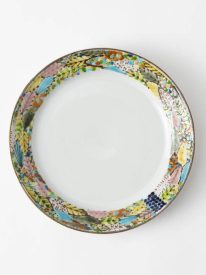 Hamorebi Round Side Plate 7.5 in