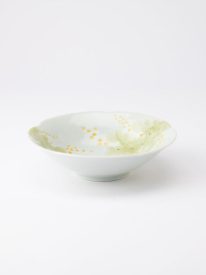
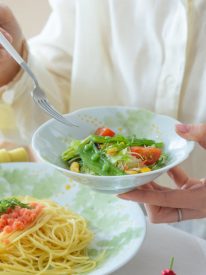
A beautiful mimosa design is painted on a white porcelain canvas. In places, small dots painted in gold are scattered throughout the design, adding a discreet accent to the overall design. The refreshing impression of this bowl will enlighten your table. It is painted by the female artist, Alyne Ohigashi, who was born in Philippines…
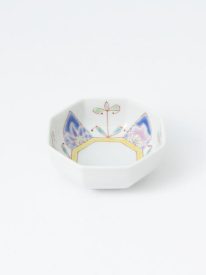
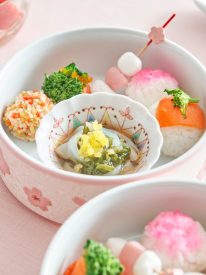
This bowl showcases dreamy patterns delicately painted by the artisans of Ginshu Kiln, renowned for its romantic and playful pastel-colored designs. The painted areas have a slightly raised texture, a characteristic of Kutani ware, which is traditionally hand-painted using Japanese coloring pigments and a brush. It is suitable for serving side such as sunomono (vinegared…
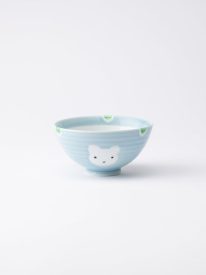
Serve just the right amount of rice to your little ones with this Hasami ware Japanese rice bowl from Oshin Kiln. The rice bowl comes in an adorable soft blue color with cute bear faces on the sides. Three green polka-dots mark the edge of the bowl. The inside of the rice bowl is in a…
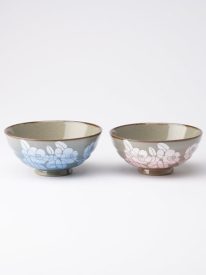
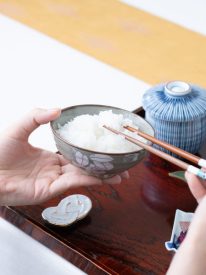
A beautiful pair of rice bowls with a pink and blue sasanqua motif. It is beautifully applied Ginsai, the Kutani ware technique by which five-color glaze is applied over silver foil. The cracks on the surface are created by the traditional technique of “Kannyu” (penetration), which allows you to enjoy the beauty of handcrafting.The shape made on…
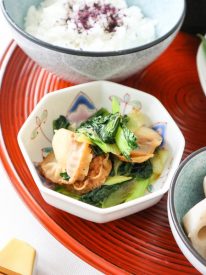
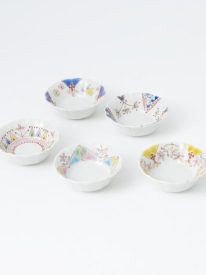
This set of five small kobachi bowls features colorful patterns painted by artisans of Ginshu Kiln, which is especially known as its romantic and playful pastel colored painting. It is suitable for serving side such as sunomono (vinegared food), aemono (seasoned or sauced food), nimono (simmered food) for one person. Furthermore, you may put a…
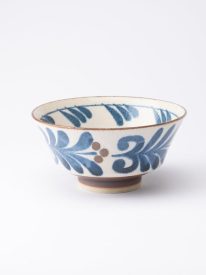
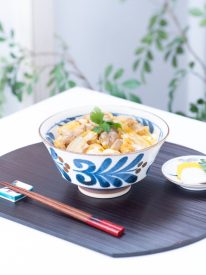
As suggested by its name nanpu, meaning “southern winds,” this bowl features a design that evokes the feeling of a warm breeze. The brush works in blue and brown symbolizing the wind blowing, give the design a natural comfort. The slightly warped rim allows for easy stacking with bowls of the same shape, ensuring convenient storage….
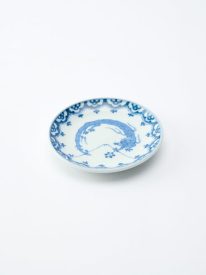
This sauce plate features rinpo, or “wheel-shaped treasure,” along the rim, complemented by an iconic depiction of Mount Fuji with a dragon. In Japanese culture, rinpo is esteemed as an auspicious symbol that signifies harmonious fulfillment. The plate’s size is ideal for sauces, small bites of pickles, fruit, or desserts like wagashi. It stacks neatly with…
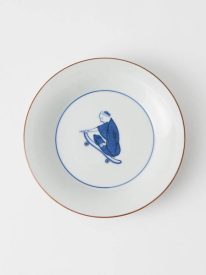
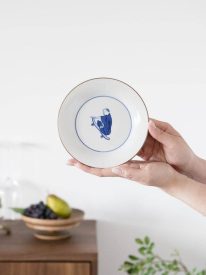
A unique side plate featuring a man on a skateboard. This kind of free-spirited, playful design is iconic to Kutani Choemon and serves as a wonderful example of how traditional craftsmanship meets modern creativity. This fun and versatile small plate is perfect for serving side dishes, snacks, or desserts during meals and tea time. It…
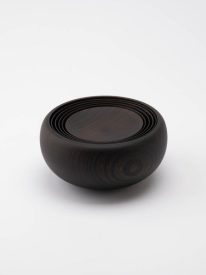
Oryoki is a functional set of bowls designed to minimize waste in daily life, based on Zen Buddhist practices. It has been gaining attention for its ease of use, functionality, and minimalist design, making it ideal for contemporary dining. Its compact design allows even a six-layer set to be stored effortlessly, making it both practical…
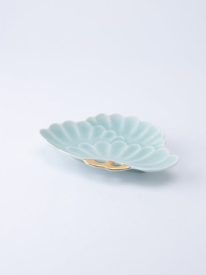
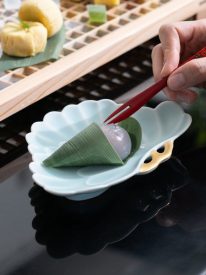
The matte celadon texture of this pine-shaped plate conveys tenderness the moment you touch it. Accented with gold, the combination with the pale blue is graceful and sophisticated. The pine tree is an evergreen tree and is a symbol of eternal life. In addition, some pine trees are thousands of years old and are said…
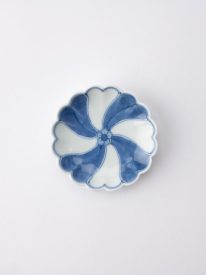
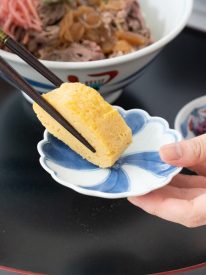
This easy-to-use chrysanthemum-shaped sauce plate features twisted lines radiating towards the center, giving the piece a classical feel. This plate is available in different designs, so you can collect them for a more enjoyable table setting. Perfectly sized as a sauce plate, it is also versatile to serve cheese, nuts, condiments, and other small foods. Or…
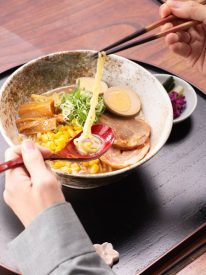
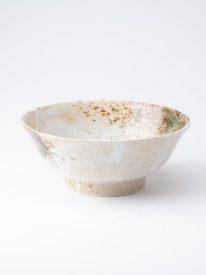
This regular-sized ramen bowl showcases the soft, earthy tones of Shino ware, with shades of brown and green blending seamlessly into a white base. It features a generous application of white glaze, creating a speckled appearance, while the unglazed areas highlight a beautifully rough texture. Originating in Gifu Prefecture during the Azuchi-Momoyama period (1573 CE-1603…


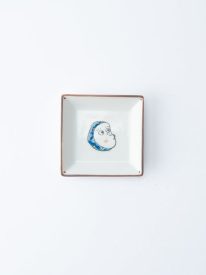 Hyottoko Square Sauce Plate
 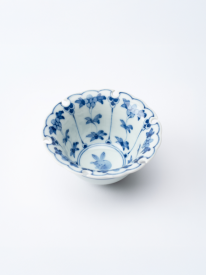 Snowflake-Shaped Rabbits and Vines Kobachi Small Bowl
 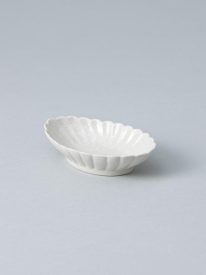 White Chrysanthemum Oval Sauce Plate
 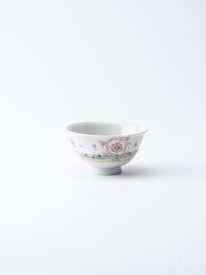 Floral Rondo Japanese Rice Bowl
 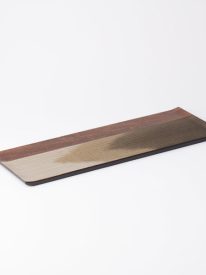 Tin Ginsai Echizen Lacquerware Serving Tray
 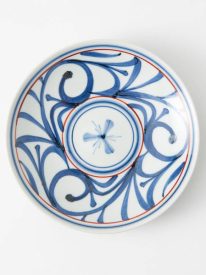 Red Line Arabesque Round Dinner Plate
 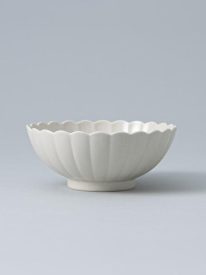 White Chrysanthemum Kobachi Small Bowl
 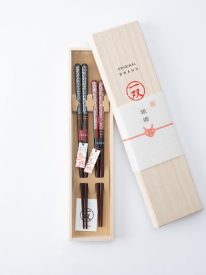 Ginkon Celebration Chopsticks Pair Set
 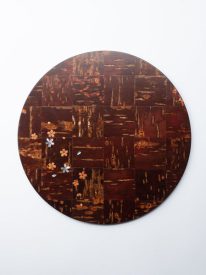 Yatsuyanagi Shell Inlay Checkered Pattern Akita Cherry Bark Work Plate 12.7 in