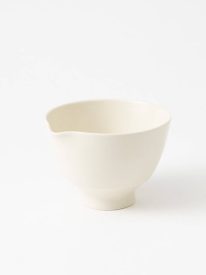
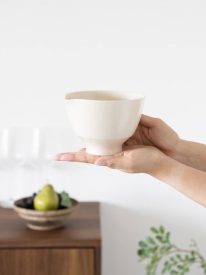
This Japanese bowl with spout from the “Une” series is made by Taniguchi Seidojo, which has been making Kutani ware clay for three generations. The carefully selected clay of Kutani ware, known as Hanasaka ceramic stone, is inevitably discarded during the clay making process. The silky, transparent, beautiful beige glaze was created to make the…
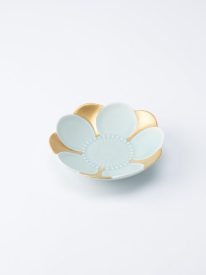
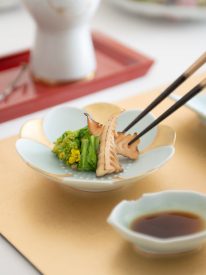
The graceful matte celadon texture of this plum-blossom-shaped side plate conveys tenderness the moment you touch it, accented with gold for a refined and sophisticated look. Plum blossoms, cherished in Japan for their auspicious symbolism, bloom first after the cold winter, inspiring happiness and signaling the arrival of a new season. With its unique shape,…
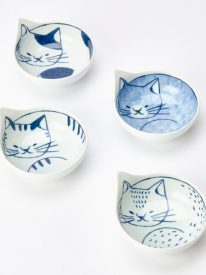
This charming set features four small Japanese bowls adorned with beautifully detailed, hand-drawn cat illustrations. Each bowl showcases a different cat with unique fur patterns, all in an endearing curled-up position. The raised ears of the cats bring personality to each feline friend and add a playful touch to the bowl’s design. The smooth porcelain…
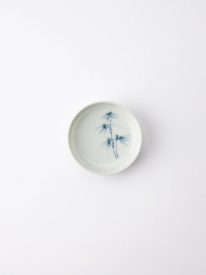
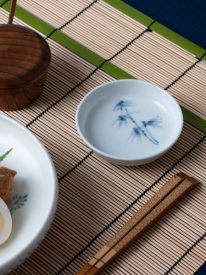
This sauce plate is made by Ri Sanpei (Yi Sam-pyeong) Kiln, a brand by the descendant of Yi Sam-Pyeong, the discoverer of white porcelain ore for Arita ware. The beautiful shading of the bamboo painting makes you feel as if you are looking at a distant landscape. The thick and round edge gives a soft and welcoming…
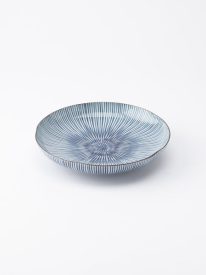
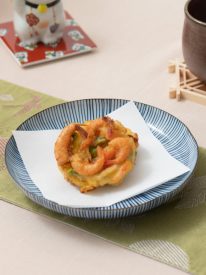
This side plate features a “Tokusa” line extending from the center and a petal-like design. The 7.1in diameter is just right for serving appetizers, side dishes and desserts. The “Tokusa” series by the Hasami ware company Fukuhou Kiln was first produced in 1976. Since then, it has become a long seller as a standard item….
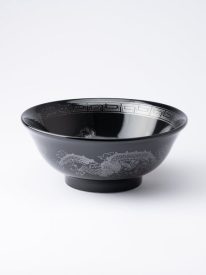
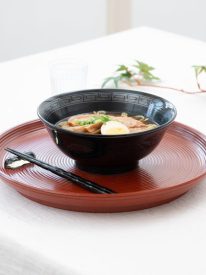
This regular-sized Mino ware ramen bowl features a glossy black background with an elegant silver dragon painted on the sides and bottom. In Asian cultures, the dragon is an auspicious creature, symbolizing nobility and good fortune. Inside the bowl, the square spiral pattern, known as raimon in Japanese, is a traditional Chinese lightning design symbolizing…
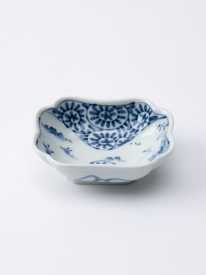
This indigo-dyed, rectangular kobachi small bowl is crafted by Takayama, a renowned maker of Hasami porcelain. The interior of the plate is delicately decorated with a serene landscape scene, beautifully framed by the traditional octopus arabesquetako karakusapattern. This design, featuring endlessly winding vines, has long been cherished in Japan as an auspicious motif symbolizing longevity and…
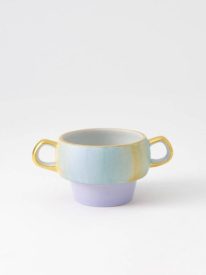
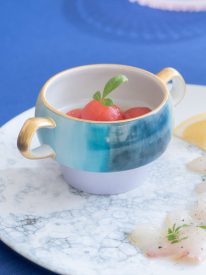
This elegant Japanese soup bowl is handcrafted by Kinzan Kiln. The beautiful gradation expands your imagination, such as the sky’s azure, the cosmic blue, the hazy spring light, or the clear light of early summer. The pale colors and delicate gold are perfectly match in this piece. This series named “Ukiyo” was inspired by the…
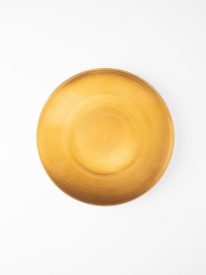
This beautifully gold dinner plate, with its artisan brushed texture, gives it a sense of dignity and complements all kinds of dishes. It can be used as a main plate for any types of dish. Appetizers, salad, main dish are the perfect match. The gorgeous colors make it a great choice for layering with plates…
This sauce plate features a refined pine, bamboo, and plum motif alongside an iconic depiction of Mount Fuji. In Japanese culture, pine, bamboo, and plum are regarded as auspicious symbols that herald both good fortune and longevity The technique displayed in this plate is called somenishiki where the plate is first glazed with white and…
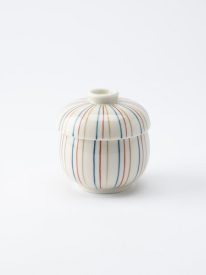
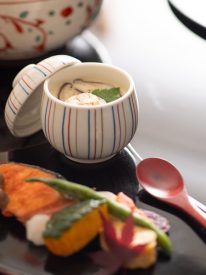
Enjoy delicious chawanmushi, Japanese steamed egg custard, in this beautiful Arita ware chawanmushi bowl. This Chawanmushi bowl is painted in the “Tokusa (Horsetail)” pattern which is a classic motif that has been beloved since the Edo period (1603 CE – 1867 CE). Its straight-growing appearance symbolizes wishes for growth and prosperity. And the three subdued colors…
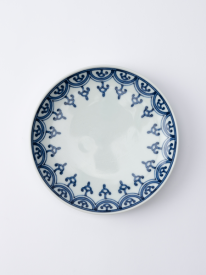
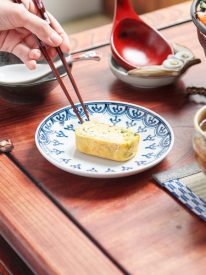
This round side plate is crafted by Takayama Toki, a renowned maker of Hasami porcelain, and dyed with seitan, a kind of indigo. It features a finely detailed yoraku design along the rim, an intricate pattern that originates from luxurious ancient Indian necklaces and ornaments. Traditionally, this pattern has been cherished as an auspicious symbol…


 Elephant Wave Mug
 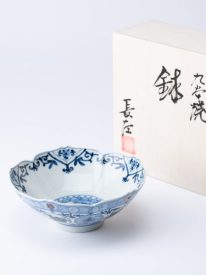 Myousen Toubou Auspicious Pattern Sakura-Shaped Kutani Bowl 6.7 in