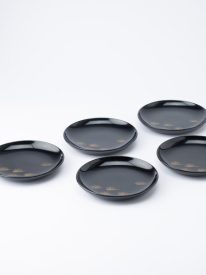
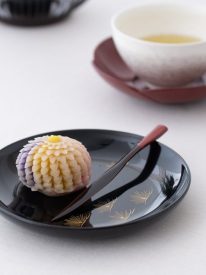
These Echizen Lacquerware side plates are exquisite items combining the elegant black shine of lacquer with the detailed gold designs made with “Chinkin.” “Chinkin” is a traditional technique used to create detailed designs with gold and silver on lacquerware surfaces. Unlike Maki-e, where gold leaves and powder are directly applied to a surface, for Chinkin, shallow…
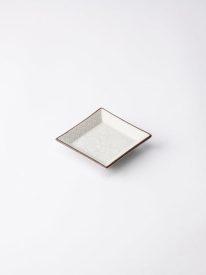
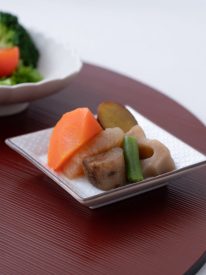
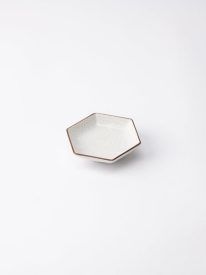
This porcelain sauce plate is painted with an elegant traditional pattern in white, decorated with the pattern called “hanazume,” giving an image of flowers blooming all at once. While Kutani ware is loved for its vibrant colors, the hachi-kutani series features sauce plates all in white. They are made at Seikou Kiln. Seikou Kiln researched Japanese overglaze…
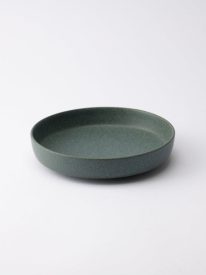
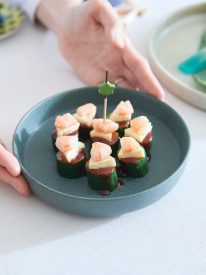
This is an easy-to-use plate characterized by a moody green color, reminiscent of a deep forest. Instead of shiny, bright gems, the design is chic and modern, featuring subdued tones and matte textures like Jade gemstones. Measuring D16.4cm (6.5in), it is suitable for use as a serving dish for one person or for placing salads, appetizers,…
A small side plate in burgundy, perfect for single servings. Although small in size, the old Imari floral patterns are painted with precision which shows the high quality craftsmanship of the Arita Porcelain Lab tableware. Part of the Japan Autumn series, this piece showcases the beauty of Japanese autumn leaves. All colors in this series are…
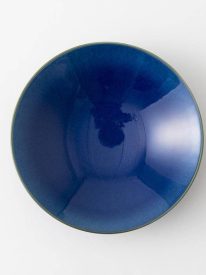
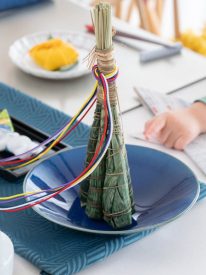
This deep dinner plate in a shiny dark blue color has an exquisite silhouette with wide rims and and a beautiful curve. The size is perfect for serving a salad, appetizers, sunomono “vinegared food,” aemono “seasoned or sauced food” and nimono “simmered food.” It is great for not only Japanese food, but also various food…
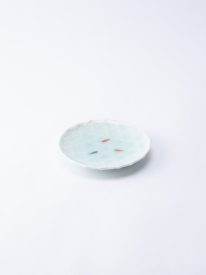
Enjoy the refined natural blue-green luster of celadon with this stylish side plate from Kosen Kiln. This porcelain piece captivates with its intricately woven basket-like design on both sides. The translucent glaze on the blue-jade hue of celadon, creates a tranquil atmosphere emanating from the plate’s glossy surface. Medaka rice fishes are depicted with such realism…
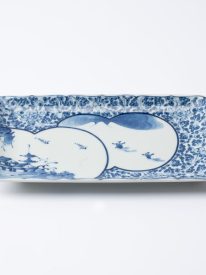
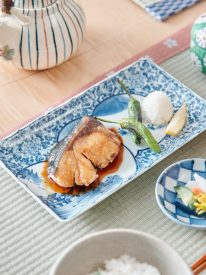
This rectangular dinner plate is crafted by Takayama, renowned for Hasami porcelain. Its surface features intricately detailed scenes of Japanese landscapesrolling mountains, winding rivers, boats, and templesneatly arranged within fan-shaped frames, all set against a background of abundant flowers. The result is reminiscent of a scroll painting, allowing you to appreciate its delicate and refined…
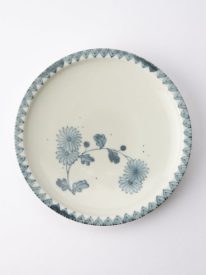
This is a Arita ware plate by Ri Sanpei (Yi Sam-pyeong) Kiln, a brand by the descendant of Yi Sam-Pyeong, the discoverer of white porcelain ore for Arita ware. This dish is simple, yet dignified and powerful. This design itself is from the early Imari period, about 400 years ago. Chrysanthemums are characterized not only by their beauty…
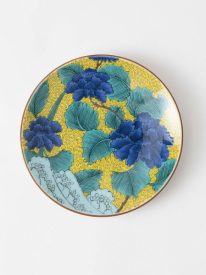
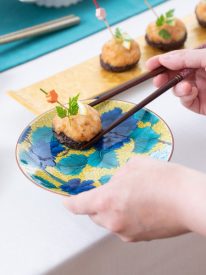
This side plate features large blue peonies elegantly painted against a yellow background. This is a classic design of the ko-Kutani (old Kutani) style dating back to mid-17th century, depicting the nature-themed daring design and distinctive bright colors of Kutani ware. With a diameter of 15 cm (5.9 in), it is perfect as an extra…
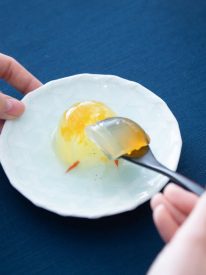
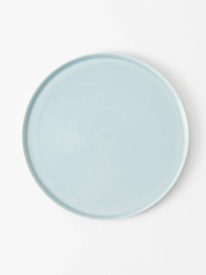
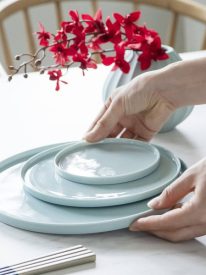
This Japanese plate has light shades of celadon glaze that looks like a white porcelain covered with thin ice. It is 18 cm (7.1 in) diameter and perfect for serving side dishes, bread, desserts and fruits. You may use it as an extra plate for your guest. With the combination of their deep knowledge about…
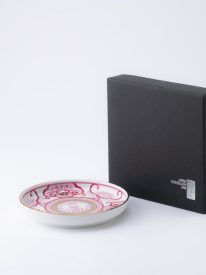
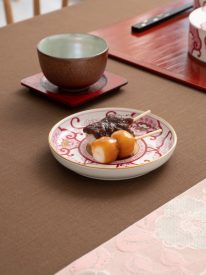
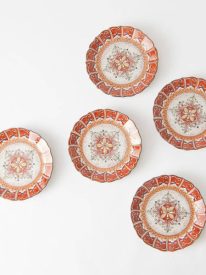
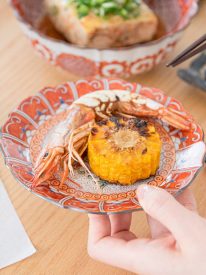
This Japanese plate set serves as a versatile option for individual dishes, adding elegance to any meal. Placing matching plates on the table creates a cohesive and refined Japanese dining experience. Characterized by intricate red designs, delicate rim patterns, and subtle gold accents, this style showcases exceptional craftsmanship. The detailed artwork in the Iidaya/Akae tradition…
This small porcelain plate has auspicious design patterns: “Nami Chidori,” plovers and waves, and “Karakusa,” an arabesque design. Nami Chidori, a combination of a plover and a wave, means “to overcome rough seas together.” Arabesque designs are considered a symbol of longevity and prosperity of offsprings, as arabesque, the vine, extends its stems in all directions….


 MERU Flamenco Modern Mino Ware Plate 6.7in
 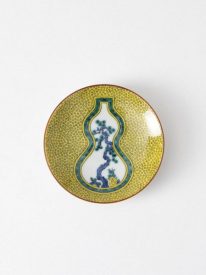 Yoshidaya Gourd Sauce Plate
 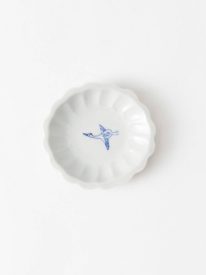 Chrysanthemum and Crane Sauce Plate
 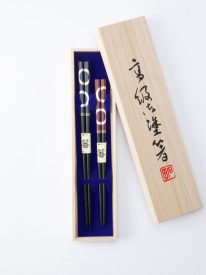 Gold and Silver Circle Set of Chopsticks Pair Set
 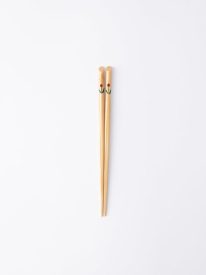 Miyabitake Flower Japanese Bamboo Children's Chopsticks 16.5 cm (6.5 in)
 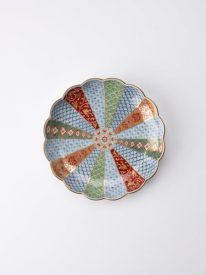 Old Imari Chrysanthemum Side Plate
 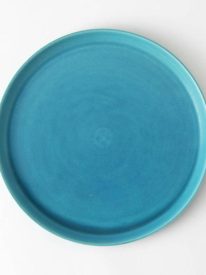 Tabal Dinner Plate
 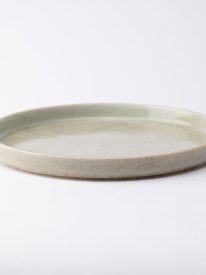 MERU Grains Luka Mino Ware Round Plate 9.6in
 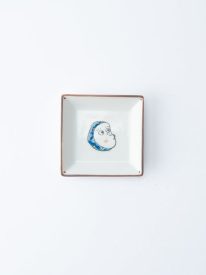 Hyottoko Square Sauce Plate
 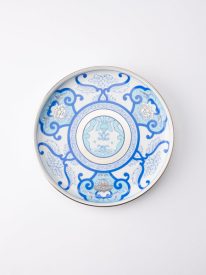 Japan Blue Old Imari Floral Pattern Side Plate 7.5 in
 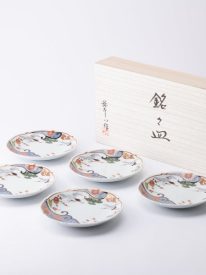 Yazaemon Crane and Wave Side Plate Set
 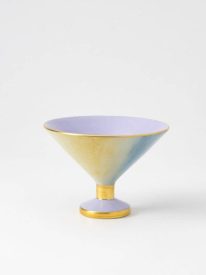 Ukiyo Blue and Yellow Kobachi Small Bowl with Leg
 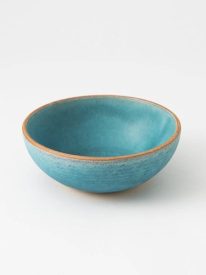 Summum Medium Bowl
 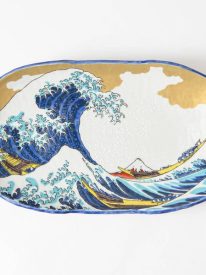 Hokusai Wave Platter
 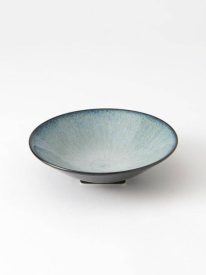 Icy Blue Deep Side Plate
 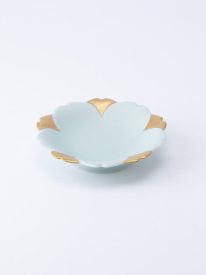 Moist Gold Sakura Side Plate
 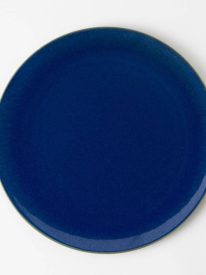 Grand Bleu Dinner Plate 11.2 in
 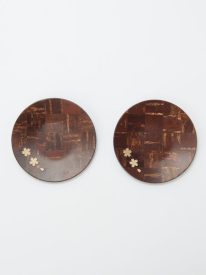 Checkered Pattern Side Plate Set
 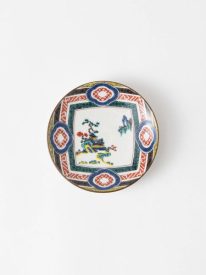 Landscape with Flowering Quince Sauce Plate
 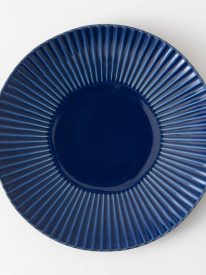 SHINOGI Lapis Lazuli Dinner Plate
 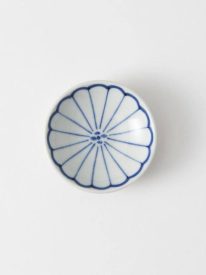 Indigo Brush Chrysanthemum Sauce Plate
 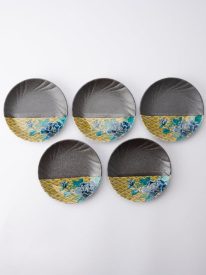 Blue Peony Round Side Plate Set
 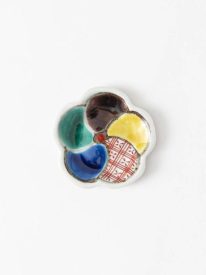 Plum Flower Sauce Plate
 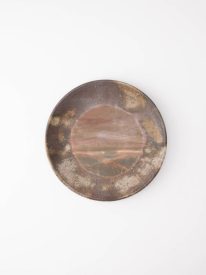 Botamochi Side Plate
 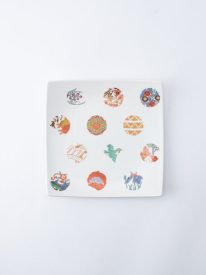 Asteroid Square Side Plate