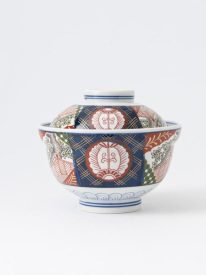
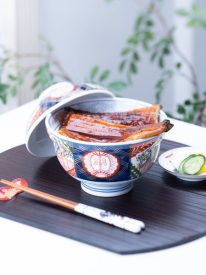
This large-sized Japanese donburi rice bowl features sakura, or cherry blossoms, framed by dark blue, lattice-like patterns, all rendered in the traditional nishiki-e style. Nishiki-e, meaning “brocade picture,” is a multi-colored woodblock print technique that revolutionized ukiyo-e during the Edo period (1603 CE-1868 CE), when most prints were in black and white. The lid helps keep…
The meticulously adapted tokusa (horsetail) design, a masterpiece innovatively developed by craftsperson Taniguchi, adorns this bowl from Tosen Kiln. The tokusa pattern is vividly presented in two colors, imparting warmth and depth to the hand-drawn lines. These lines, initially penciled to ensure spacing, defy the impersonal touch of printing, thus infusing the bowl with…
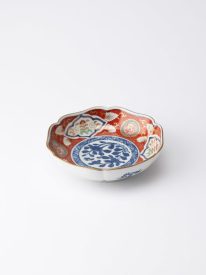
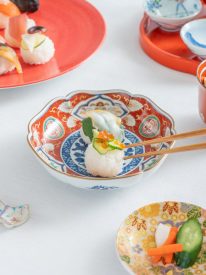
This mokko-shaped small bowl features a modern interpretation of the traditional classic patterns of old Imari. Mokko is the name for a round squarish shape and is considered an auspicious shape which represents family prosperity. “Aka” means red and “dami” is the name for the technique where the artist first outlines the area to be…
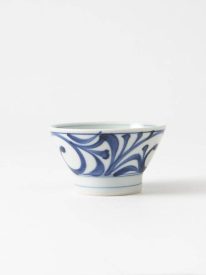
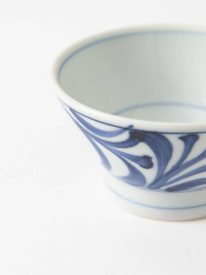
This kobachi small bowl features a beautiful arabesque pattern, one of the representative motifs of Tobe ware. The shade of indigo gives a sense of modern elegance. You can feel the warmth of hand-painting from the patterns using nature motifs. The size is perfect for a small portion of side dishes such as a tangy sunomono…
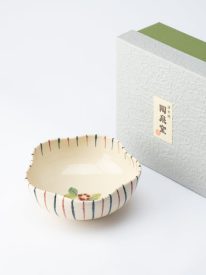
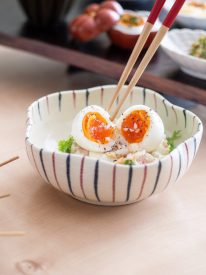
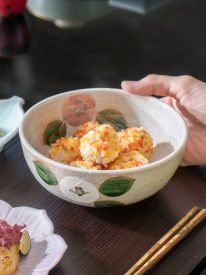
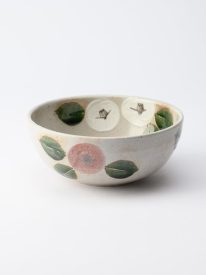
This bowl fascinates with its charming red and white camellia motif, reflecting the beauty of nature. Tsujii Musashi, the artisan behind the kiln, draws inspiration from his surroundings to create pieces that embody a subtle, rustic elegance. The bowl’s refined appearance is further enhanced by gohondenatural pinkish spots that emerge after the firing process. Its…
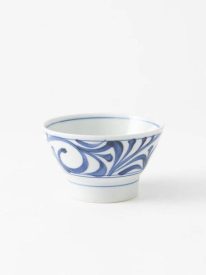
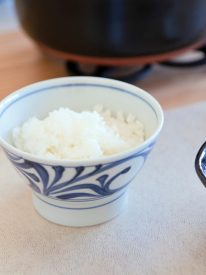
This rice bowl showcases an arabesque pattern, one of the representative motifs of Tobe ware. Its indigo shade adds a modern touch, while the hand-painted nature motifs bring warmth and character to each piece. The high footing makes it easy to hold, adding praticality to its charm. Perfectly sized for a single serving of rice,…
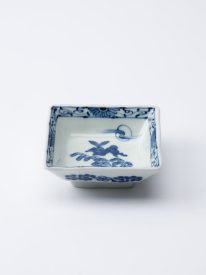
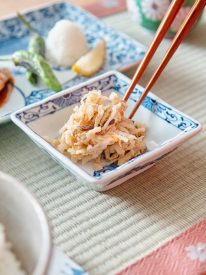
This square kobachi small bowl is crafted by Takayama, a renowned maker of Hasami porcelain, and dyed with seitan, a kind of indigo. The inside of the bowl is beautifully adorned with a design of a rabbit leaping under the moon and the traditional seigaiha pattern of blue ocean waves. The seigaiha motif depicts gently…
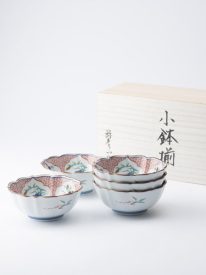
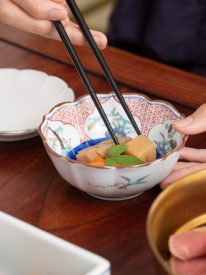
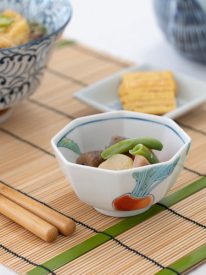
This set of five elegant kobachi small bowls are ideal for daily use and go well with any dishes such as boiled vegetables and simmered dishes. The rim of the bowls reminds us of flower petals. The shape of the bowl has been handed down from generation to generation in the Yazaemon Kiln. Items with distinctive…
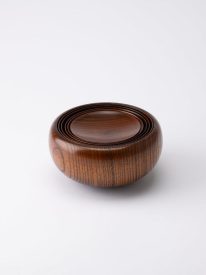
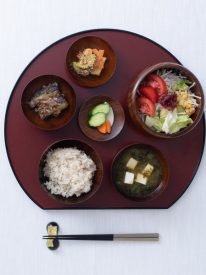
“Oryoki”, is a functional set of bowls designed to minimize waste in daily life in the practice of Zen Buddhism. It is increasingly attracting attention for its easy-to-use, functional and minimalistic design at the modern table. Starting with the larger bowl, the smaller ones are stacked completely on top of each other in order to allow…
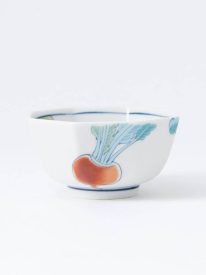
This small kobachi bowl features a red turnip, and one leaf of the turnip is also shown inside of the bowl. Turnip is one of the motifs that has long been regarded as a lucky charm in Japan, and is often used for tableware. The refreshing white-based small bowl is a handy size, durable and…
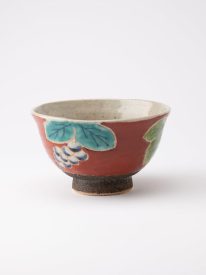
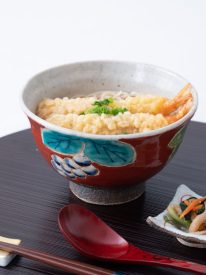
This regular-sized donburi bowl features a deep color scheme of dark red and vibrant green with a charming design of grapes and grape leaves. It showcases the striking kannyu texture, in which delicate, crack-like crazing patterns are formed beneath the glaze. Its depth and straight sides help retain the food’s warmth while adding a touch…
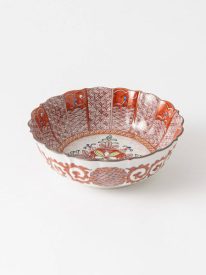
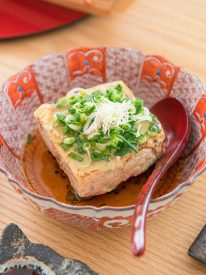
This stunning Akae-style Japanese bowl showcases intricate hand-painted details, characteristic of the Iidaya/Akae style of Kutani ware. The finely detailed artwork is truly remarkable, with not only an elaborate pattern adorning the inside but also a gracefully wavy rim and beautifully decorated exterior, making it a captivating piece from every angle. Its size is ideal…

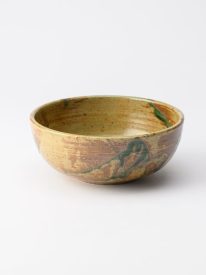 Brown Water Plant Serving Bowl
 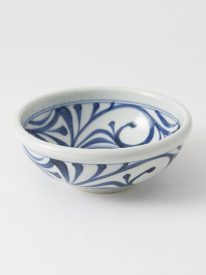 Blue Flower Arabesque Medium Bowl
 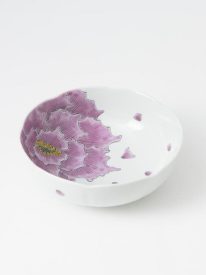 Pink Peony Large Bowl
 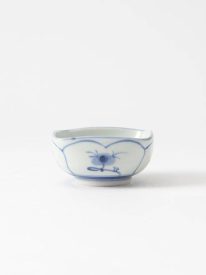 Shepherd's Purse Kobachi Small Bowl
 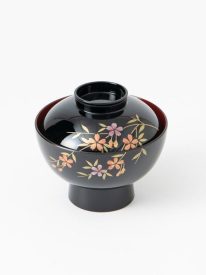 Sakura Soup Bowl with lid
 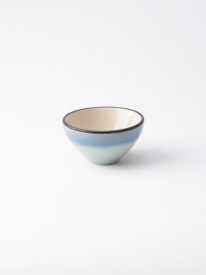 Blue Gradation Modern Kobachi Small Bowl
 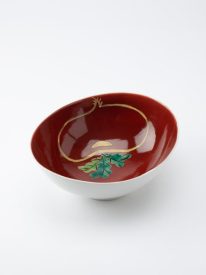 Red Turnip Kutani Bowl