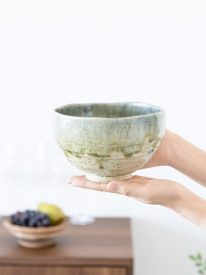
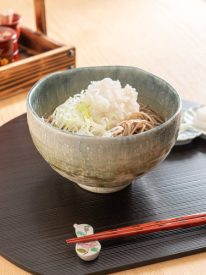
With its captivating green ash glaze and natural stoneware texture, this large donburi bowl exudes an organic charm and a comforting warmth, perfectly reflecting the artistry of the handmade process. The bowl is perfect for a variety of donburi dishes, such as gyudon and oyakodon, and for noodle dishes like udon or soba. With its…
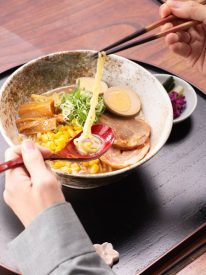
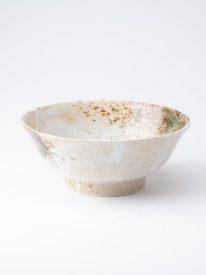
This regular-sized ramen bowl showcases the soft, earthy tones of Shino ware, with shades of brown and green blending seamlessly into a white base. It features a generous application of white glaze, creating a speckled appearance, while the unglazed areas highlight a beautifully rough texture. Originating in Gifu Prefecture during the Azuchi-Momoyama period (1573 CE-1603…
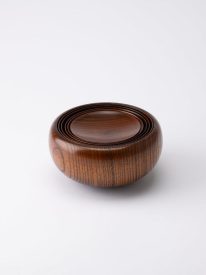
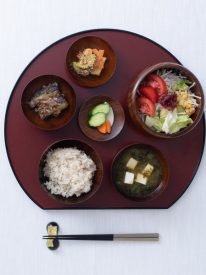
“Oryoki”, is a functional set of bowls designed to minimize waste in daily life in the practice of Zen Buddhism. It is increasingly attracting attention for its easy-to-use, functional and minimalistic design at the modern table. Starting with the larger bowl, the smaller ones are stacked completely on top of each other in order to allow…
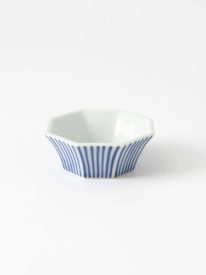
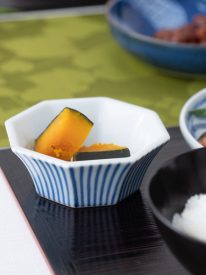
This octagonal kobachi small bowl features simple blue tokusa stripes shaded with delicate hand-painting. Tokusa, known as the horsetail plant, symbolizes longevity in Japanese culture. The indigo shade adds a modern touch, while the natural motif conveys the warmth of hand-painted craftsmanship. Perfect for serving small portions of side dishes like tangy sunomono or simmered nimono, it also…
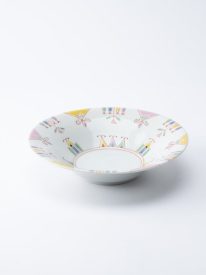
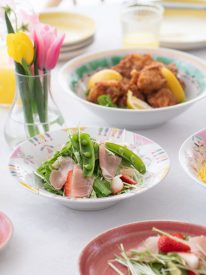
The bowl features a beautiful contrast of soft colors on a white canvas, making the most of the distinctive texture of porcelain. The fine touch of flowers are hand-painted by an artisan, adding a touch of elegance to the space. Unlike other kilns from Kutani ware, Ginshu kiln is especially known as its romantic and…
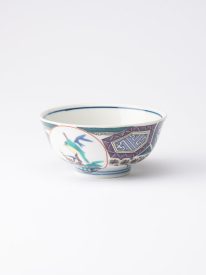
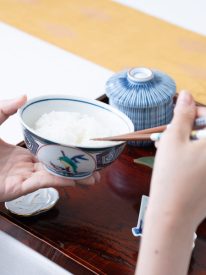
This Japanese rice bowl has a typical design of the Ko-Kutani (old Kutani) style dating back to mid-17th century, depicting the nature-themed motif and traditional patterns and distinctive bright colors of Kutani ware. It is painted with the five colors of red, yellow, green, purple and dark blue, known as “Go-Sai” in Japanese. Kutani ware uses…
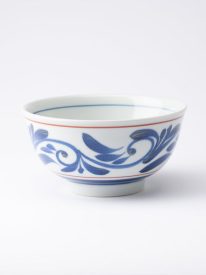
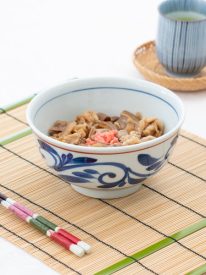
Featuring a hand-painted arabesque pattern, this regular-sized donburi bowl showcases a classic motif of Tobe ware. The horizontal red lines bring a striking touch to the design. It’s perfect for serving noodles such as ramen, udon, or soba. Using this bowl to savor different kinds of noodles will undoubtedly add a touch of traditional charm…
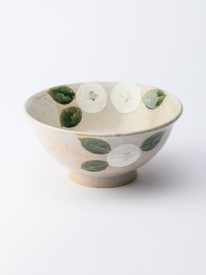
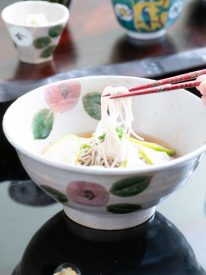
This ramen bowl from Musashi Kiln is adorned with charming red and white camellia motifs, reflecting the beauty of nature. Tsujii Musashi, the artisan behind the kiln, draws inspiration from his surroundings to create pieces that embody a subtle, rustic elegance. The bowl’s refined appearance is further enhanced by gohondenatural pinkish spots that emerge after…
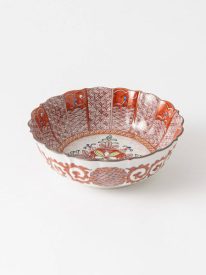
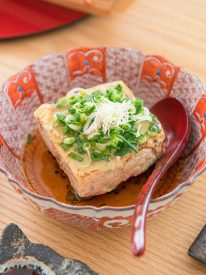
This stunning Akae-style Japanese bowl showcases intricate hand-painted details, characteristic of the Iidaya/Akae style of Kutani ware. The finely detailed artwork is truly remarkable, with not only an elaborate pattern adorning the inside but also a gracefully wavy rim and beautifully decorated exterior, making it a captivating piece from every angle. Its size is ideal…
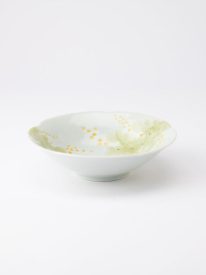
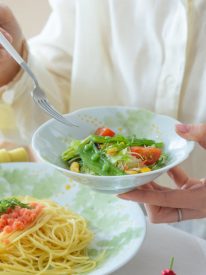
A beautiful mimosa design is painted on a white porcelain canvas. In places, small dots painted in gold are scattered throughout the design, adding a discreet accent to the overall design. The refreshing impression of this bowl will enlighten your table. It is painted by the female artist, Alyne Ohigashi, who was born in Philippines…
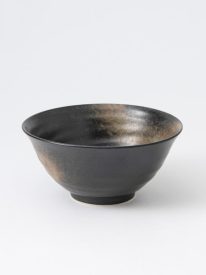
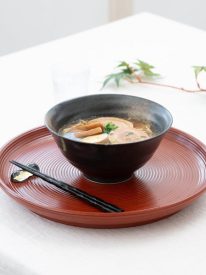
This regular-sized mino ware ramen bowl features an elegant design with light brown circular patterns set against a black background, representing the moon and its gentle glow in the night sky. The overall look is chic and exudes a sense of refinement. It’s perfect for serving noodles in broth, such as ramen, udon, or soba….
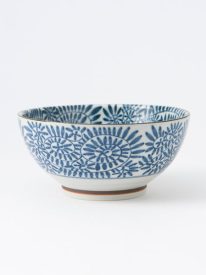
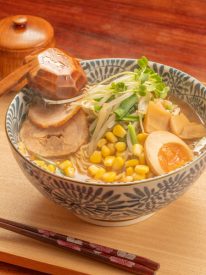
A multitude of leafy curlicues creates a stunning, deep indigo blue arabesque motif on this Japanese bowl. The design of simplified leaves over spiraling vines fills not only the outside, but also the inside the bowl, for a playful ornamental effect. Due to their natural tendency to keep growing, vines are considered to be a…

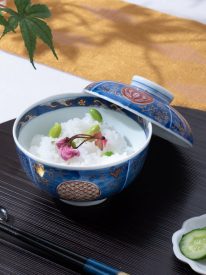 Gold Arabesque Kobachi Small Bowl With Lid