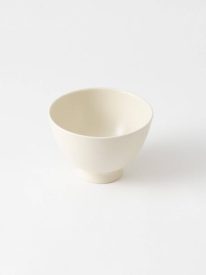
The Japanese kobachi from the “Une” series is made by Taniguchi Seidojo, which has been making Kutani ware clay for three generations. Instead of using vivid colors of Kutani ware, they propose a new, simple and modern Kutani ware that can only be created by a company that knows the characteristics of clay. The carefully…
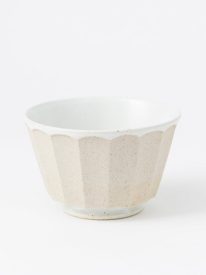
This regular-sized donburi bowl features a smooth, matte white glaze on the outer rim and inner surface, creating a striking contrast with the textured, natural clay on the faceted exterior. This combination of materials offers both a refined tactile experience and a contemporary appeal. Its depth and straight sides help retain the food’s warmth while…
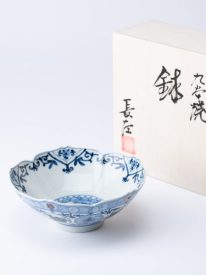
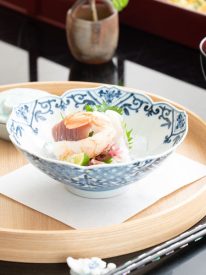
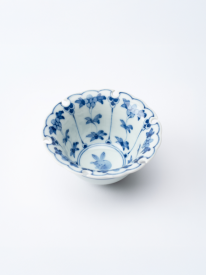
This bowl features exquisite sometsuke designs with colored details hand-painted by master craftsman Yamamoto Choza. The bottom of the bowl is adorned with a flower and bird motif, while the exterior is lavishly decorated with traditional auspicious patterns across its entirety. The intricacies of each design invite a closer look. The porcelain base is crafted…
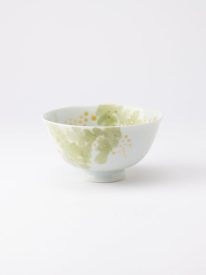
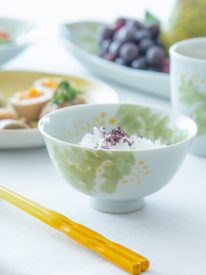
A beautiful mimosa design is painted on a white porcelain canvas. In places, small dots painted in gold are scattered throughout the design, adding a discreet accent to the overall design. The refreshing impression of this rice bowl will enlighten your table. It is painted by the female artist, Alyne Ohigashi, who was born in…
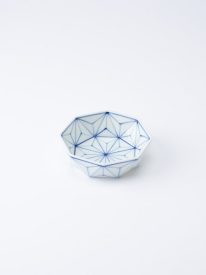
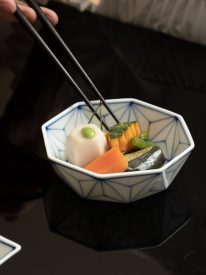
This Kobachi bowl features the traditional Japanese hemp leaf pattern. The hemp leaf is considered as a symbol of good luck meant to ward off evil and is commonly used on kimono and tableware. Employing a technique of “Sometsuke” (underglaze cobalt blue) painting on a base brilliantly fired to a pure white, each piece is…
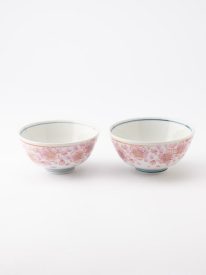
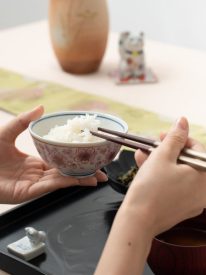
A pair of rice bowls decorated with brush painted cherry blossoms and falling petals. The pale pink color shines against the white porcelain base, beautifully depicting the petals dancing in the wind.In Japan, there is a culture of giving rice bowls as a gift to married couples to celebrate their marriage. It’s also perfect for…
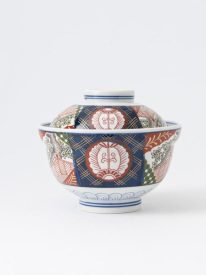
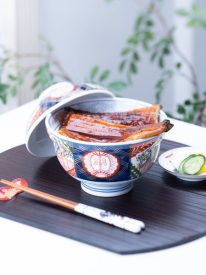
This large-sized Japanese donburi rice bowl features sakura, or cherry blossoms, framed by dark blue, lattice-like patterns, all rendered in the traditional nishiki-e style. Nishiki-e, meaning “brocade picture,” is a multi-colored woodblock print technique that revolutionized ukiyo-e during the Edo period (1603 CE-1868 CE), when most prints were in black and white. The lid helps keep…
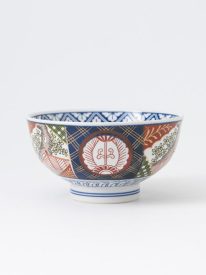
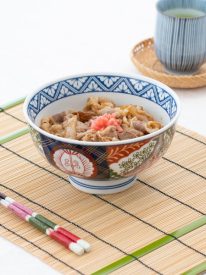
This regular-sized Japanese donburi rice bowl features sakura, or cherry blossoms, framed by dark blue, lattice-like patterns, all rendered in the traditional nishiki-e style. Nishiki-e, meaning “brocade picture,” is a multi-colored woodblock print technique that revolutionized ukiyo-e during the Edo period (1603-1868 CE), when most prints were in black and white. The bowl is perfect…
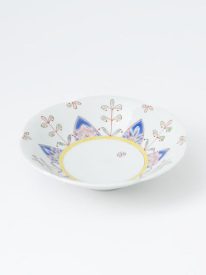
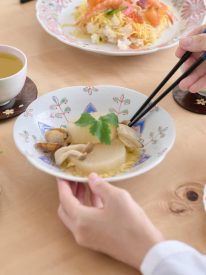
This bowl showcases dreamy patterns delicately painted by the artisans of Ginshu Kiln, renowned for its romantic and playful pastel-colored designs. The painted areas have a slightly raised texture, a characteristic of Kutani ware, which is traditionally hand-painted using Japanese coloring pigments and a brush. Its versatile size makes it perfect for serving salads, appetizers,…
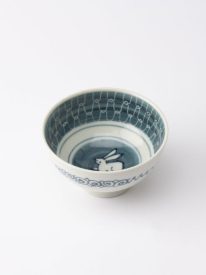
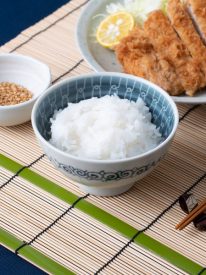
This is a Japanese rice bowl by Ri Sanpei (Yi Sam-pyeong) Kiln, a brand by the descendant of Yi Sam-Pyeong. Molded on the potter’s wheel, with handwritten rabbits and reticulated patterns, have an indescribably lovely atmosphere that soothes the hearts of those who see them. The rabbit in the center is drawn in a round…
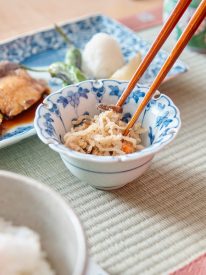
This elegant kobachi small bowl is crafted by Takayama, renowned for Hasami porcelain. In the timeless blue and white of sometsuke, it features at its center an adorable rabbita lovely discovery for the diner once they’ve eaten the cuisine inside. Surrounding the sides is a traditional wari-kusabana pattern: stemmed flowers and grass separated from each…
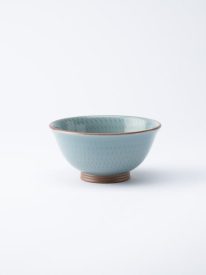
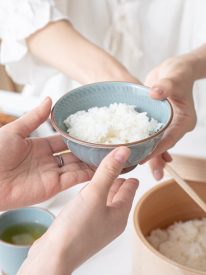
The meditative depth of celadon blue allures us into even forgetting that this a bowl of daily tableware. The bowl’s base is clear and smooth with its luminous shine, while the upper surface has delicately carved grooves of the technique of “Tobikanna” (chattered pottery). The rim exposes the outlines of the red clay, an exquisite…

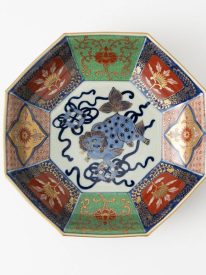 Old Imari Lion and Peony Large Bowl