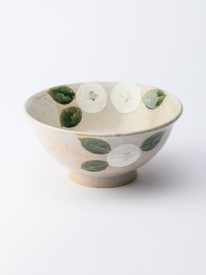
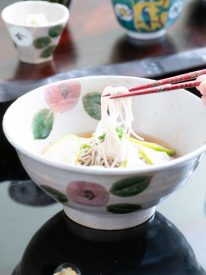
This ramen bowl from Musashi Kiln is adorned with charming red and white camellia motifs, reflecting the beauty of nature. Tsujii Musashi, the artisan behind the kiln, draws inspiration from his surroundings to create pieces that embody a subtle, rustic elegance. The bowl’s refined appearance is further enhanced by gohondenatural pinkish spots that emerge after…
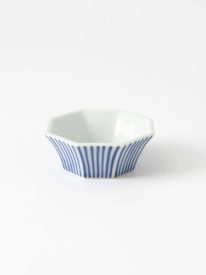
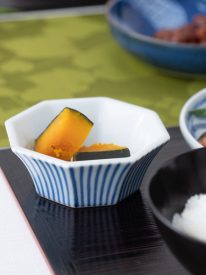
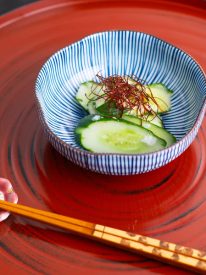
This octagonal kobachi small bowl features simple blue tokusa stripes shaded with delicate hand-painting. Tokusa, known as the horsetail plant, symbolizes longevity in Japanese culture. The indigo shade adds a modern touch, while the natural motif conveys the warmth of hand-painted craftsmanship. Perfect for serving small portions of side dishes like tangy sunomono or simmered nimono, it also…
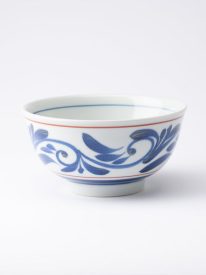
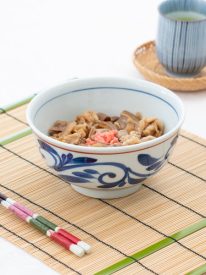
Featuring a hand-painted arabesque pattern, this regular-sized donburi bowl showcases a classic motif of Tobe ware. The horizontal red lines bring a striking touch to the design. It’s perfect for serving noodles such as ramen, udon, or soba. Using this bowl to savor different kinds of noodles will undoubtedly add a touch of traditional charm…
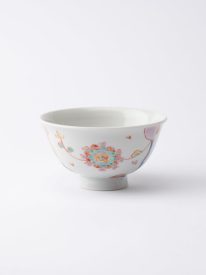
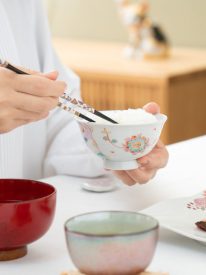
This rice bowl features flower shaped balloon delicately painted by artisans of Ginshu Kiln, which is especially known as its romantic and playful pastel colored painting. The painted areas have a slightly raised texture, a characteristic of Kutani ware, which is traditionally hand-painted using Japanese coloring pigments and a brush. With a diameter of 10.5 cm(4.1…
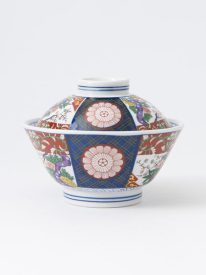
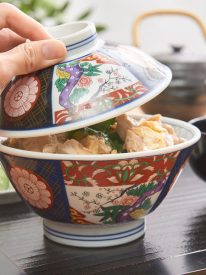
This small-sized Japanese donburi rice bowl features peonies, framed by dark blue, lattice-like patterns, all rendered in the traditional nishiki-e style. Nishiki-e, meaning “brocade picture,” is a multi-colored woodblock print technique that revolutionized ukiyo-e during the Edo period (1603-1868 CE), when most prints were in black and white. The lid helps keep the food warm and…
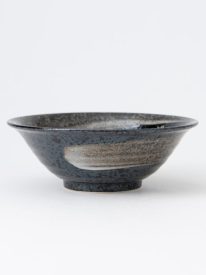
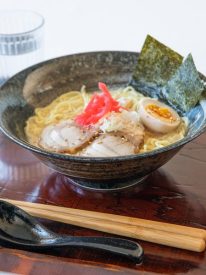
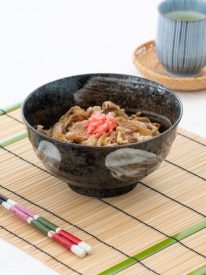
Imbued with a dark elegance, this regular-sized ramen bowl adds a refined, upscale touch to any meal. The glossy black glaze, accented with a subtle metallic iridescence, serves as the perfect canvas for bold, impressionistic brushstrokes in brown and white, creating a striking visual statement. Crafted on a potter’s wheel, the bowl has a satisfying…
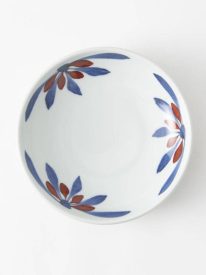
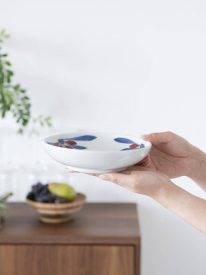
This beautiful medium bowl features an impressive pattern of chrysanthemum in indigo and red colors. You can feel the warmth of hand-painting from the patterns in nature motifs. The size is suitable for serving salad, appetizers and side dishes such edamame and sashimi. It is highly durable and ideal for long-term use.
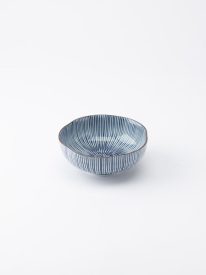
This small bowl is designed with a “Tokusa” pattern drawn by hand with a broom-like brush to make the thin blue lines centering to the middle of the bowl. The undulating sides give the kobachi bowl extra shine and a beautiful shape. The kobachi bowl is small bowl for a single serving of an appetizer…
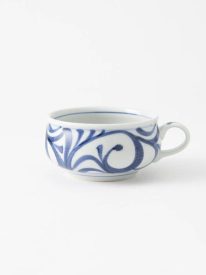
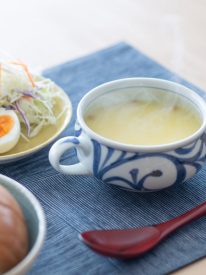
This soup cup showcases a classic arabesque pattern, one of the defining motifs of Tobe ware. The indigo shade lends a modern touch, while the hand-painted nature motifs bring a sense of warmth and craftsmanship to each piece. With its soft, rounded shape, this cup creates a cozy, relaxing ambiance. While designed for soup, it’s…
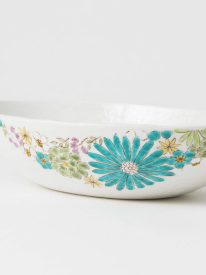
This large oval bowl features floral patterns which are beautifully designed and have a warm of hand painting. The shape is handcrafted one by one, as you can see the rim draws the natural curbs. The small flower design on one spot of the inside is Atelier Yu’s iconic charm. It can be used both…
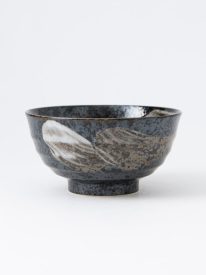
Imbued with a dark elegance, this regular-sized donburi bowl brings a refined, upscale touch to any meal. The glossy black glaze, enhanced with a subtle metallic sheen, provides the perfect backdrop for bold brushstrokes in brown and white. Crafted on a potter’s wheel, the bowl has a pleasing weight and a warm, tactile quality, making…
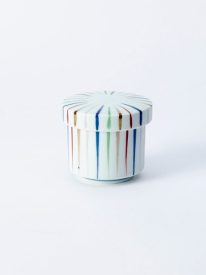
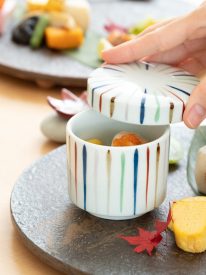
Enjoy delicious chawanmushi, Japanese steamed egg custard, in this beautiful Arita ware chawanmushi bowl. Painted with a straw pattern called mugiwarade, rendered here in several delicate colors creating a feeling that is both intriguing and subdued. Each brush stroke starts out thick and tapers out at the end, which adds a subtle interest to this…


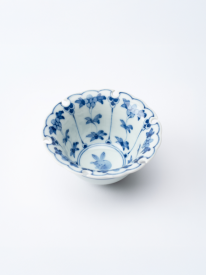 Snowflake-Shaped Rabbits and Vines Kobachi Small Bowl