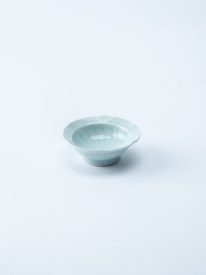
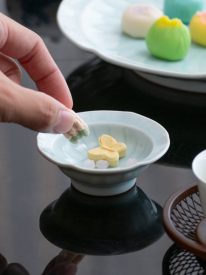
This celadon kobachi small bowl is well-suited for sauces and condiments, and can enrich your tea time with a refined touch when used for small sweets. Celadon, with its beautiful gradient from white to light blue, enhances dish presentation and imparts a cool, refreshing feel. The rim, designed with gentle curves that create a soft…
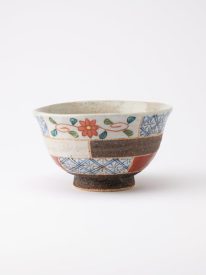
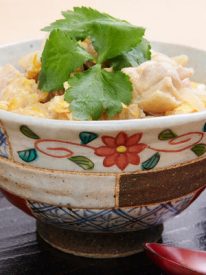
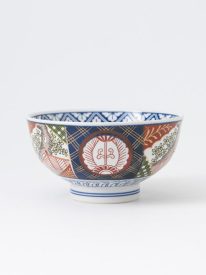
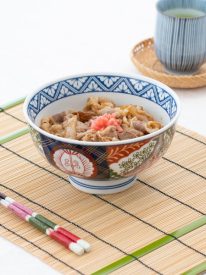
This regular-sized donburi bowl features charming floral and geometric patterns composed in an inventive tile-like design. Adorned with various auspicious patterns, each symbolizing continuity and prosperity, the design carries the hopeful wish for everlasting good fortune. Its depth and straight sides help retain the food’s warmth while adding a touch of style and practicality. Handcrafted…
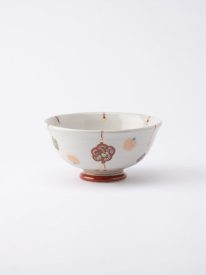
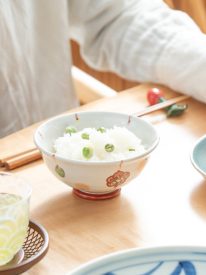
This small rice bowl is decorated with gorgeous and lovely mizuhiki motif. The colorful knots give the bowl a nostalgic and graceful feeling.Kanazawa, the birthplace of Kutani ware, is known for its unique and rare traditional craft called Kaga Mizuhiki. Made by Kokuzou Kiln, known for the gentle and warm stoneware with beautiful colors and elegant…
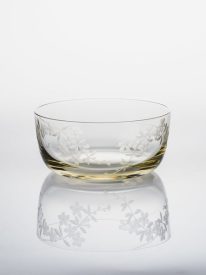
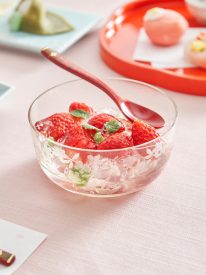
This bowl is adorned with the distinctly Japanese weeping cherry blossom, expertly carved by artisan Otomo Kenji using the Edo Hanakiriko technique. The bowl’s hue is an ancient color, imbued with a subtle yellow tint, and aims to evoke a nostalgic atmosphere, making it perfectly suited for everyday use. It not only showcases the color…
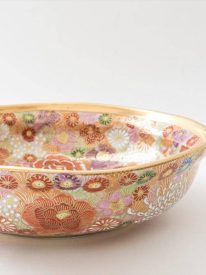
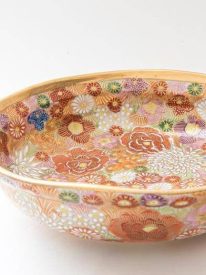
This elegant bowl features a delicate Hanazume style, meaning filled with flowers, one of the most notable design of Kutani ware which has been handed down the Taisho period (CE 1912-1926). Filled with colorful flowers all over the body with gold trimming, it has a timeless elegance and sophistication created by hand drawn technique; there…
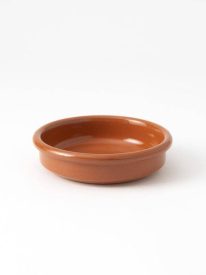
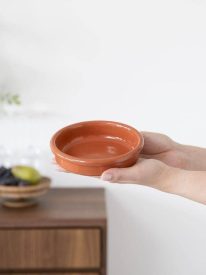
The warm reddish-brown color and rustic texture enhance the dining experience, seamlessly complementing any table setting. Versatile and durable, this deep side plate is perfect not only for traditional Japanese cuisine but also for a variety of dishes, including Spanish and Southern European specialties like ajillo and tapas. Additionally, its heat-resistant design allows for direct…
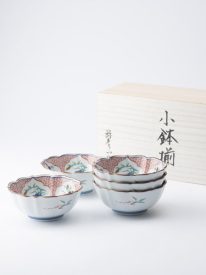
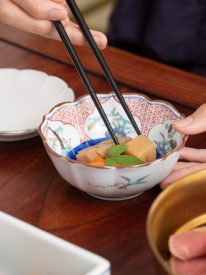
This set of five elegant kobachi small bowls are ideal for daily use and go well with any dishes such as boiled vegetables and simmered dishes. The rim of the bowls reminds us of flower petals. The shape of the bowl has been handed down from generation to generation in the Yazaemon Kiln. Items with distinctive…
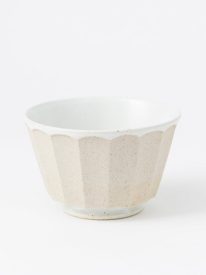
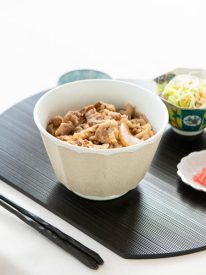
This regular-sized donburi bowl features a smooth, matte white glaze on the outer rim and inner surface, creating a striking contrast with the textured, natural clay on the faceted exterior. This combination of materials offers both a refined tactile experience and a contemporary appeal. Its depth and straight sides help retain the food’s warmth while…
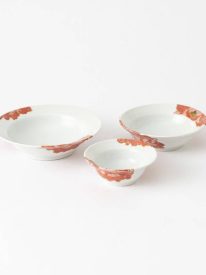
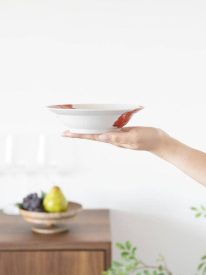
This gorgeous Japanese bowl set adorned with a bright red peony is made by Mr. Tsuyoshi Sato, a Kutani ware artisan known for his use of bright colors and florals. With brush painting, which is a characteristic of Kutani ware, a thick peony motif is drawn as if it bloomed on the rim and outer…
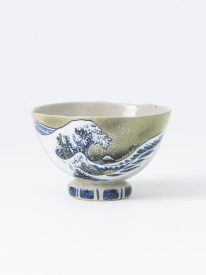
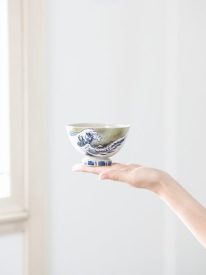
This bowl has a painting of Hokusai’s “The Great Wave off Kanagawa” and it features a warm handicraft shape and a unique foot design. Throughout his life, Hokusai painted waves as the main subject of his paintings along with Mount Fuji. Hokusai’s expression of the ever-changing movement of water captures the hearts of those who…
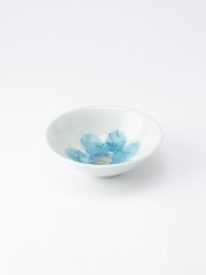
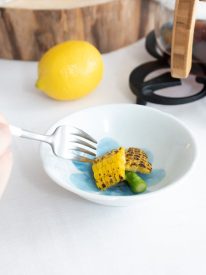
This charming Tobe ware kobachi bowl features a beautiful flower in gentle light blue color. The subtle color decorates the blooming flower painted on a white porcelain canvas. Small dots painted in gold are scattered, adding a discreet accent to the overall design. The detailed design of the rim adds to the floral motif of this kobachi…
This regular-sized Japanese donburi rice bowl features sakura, or cherry blossoms, framed by dark blue, lattice-like patterns, all rendered in the traditional nishiki-e style. Nishiki-e, meaning “brocade picture,” is a multi-colored woodblock print technique that revolutionized ukiyo-e during the Edo period (1603-1868 CE), when most prints were in black and white. The bowl is perfect…

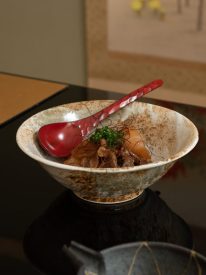 Snow Shino Ramen Bowl S