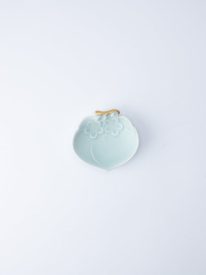
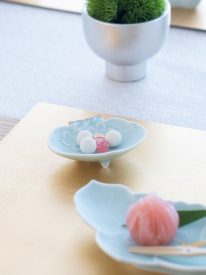
The matte celadon texture of this peach-shaped plate conveys tenderness the moment you touch it. Accented with gold, the combination with the pale blue is graceful and sophisticated, making it perfect for celebratory occasions. Delicate peach blossoms are intricately engraved with varying depths, creating a dynamic pattern that enhances the magnificent shading of celadon. Peaches…
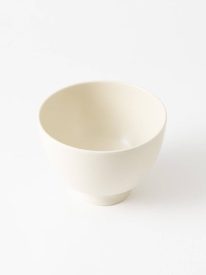
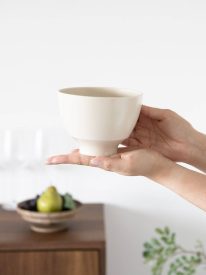
This small-sized donburi bowl exudes sophistication with its elegant form, gentle off-white glaze, and delicate matte texture. It is part of the “Une” series, which blends contemporary aesthetics with the timeless tradition of Kutani ware porcelain. A significant portion of the carefully selected clay for Kutani ware, known as Hanasaka ceramic stone, is discarded during…
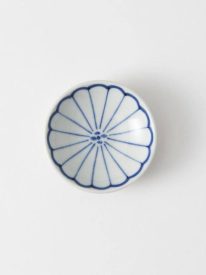
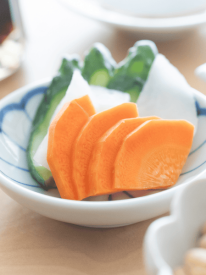
This sauce plate is crafted in a graceful chrysanthemum shape, accented with indigo brushworks that add the warmth and charm of hand-painting. Its compact size makes it ideal for serving sauces, garnishes, or small snacks like nuts and candies. You can also use it to present small portions of food or relishes, placing it on…
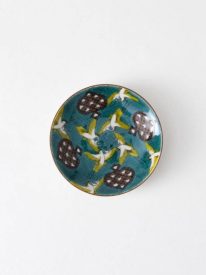
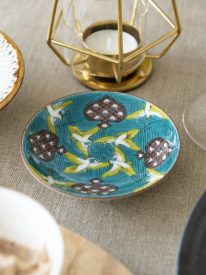
This sauce plate features flying Japanese cranes as if they are dancing. Kutani ware uses a brush for painting with Japanese coloring paint, as you can see the painted bird is slightly thickened and standing out. The crane is known to be a symbol of longevity and prosperity. Perfect as a sauce plate, it is versatile…
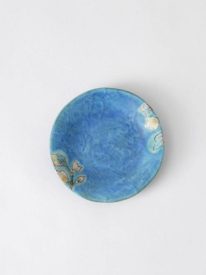
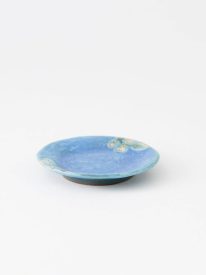
A matte turquoise glaze with a natural gradient flows across the surface, created by expressive, hand-painted brushstrokes. Flowers in delicate colors decorate the rim, with fine kannyu crackles adding to its textural charm. Compact and versatile, this plate is ideal for serving small portions of food, condiments, or sweets. Beyond dining, it also works as…
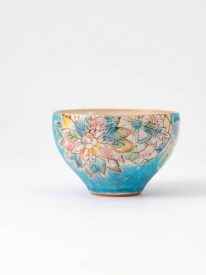
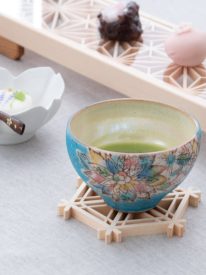
This kobachi small bowl features a vibrant turquoise glaze, with floral patterns in shades of blue, green, yellow, and pink decorating its surface. The delicate hand-painted details and subtle kannyu crackles add depth and texture, creating a design reminiscent of flowers blooming along a water’s edge. The interior is finished with a luxurious champagne gold glaze,…
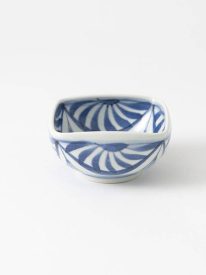
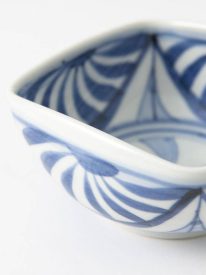
This square kobachi small bowl features a hand-painted chrysanthemum pattern with a modern, geometric design. The indigo shade adds a contemporary touch, while the natural motifs convey the warmth of hand-painting. It’s perfect for serving a variety of side dishes, such as tangy sunomono or slowly simmered nimono. The bowl’s shape stands out with its…
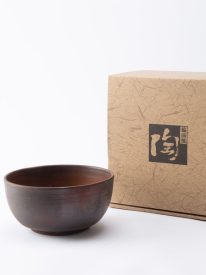
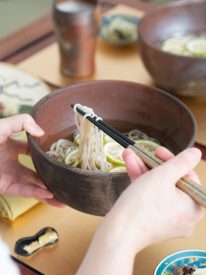
This large donburi bowl embodies the earthy textures and natural colors typical of Bizen ware. Its rough surface and stunning patterns, created by the kiln’s flames, highlight the “art of clay and fire.” The unglazed red clay, adorned with natural ash markings, offers a rugged, metallic feel. Bizen ware, one of Japan’s oldest ceramics, is…
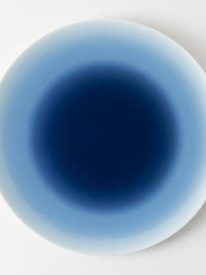
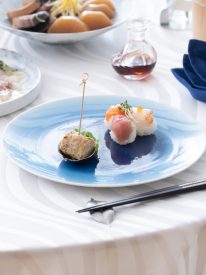
This dinner plate features a stunning blue gradient reminiscent of the tranquil shallows of the sea, bringing a serene and refreshing ambiance to your table setting. Designed for durability and practicality, it is a preferred choice in restaurants across Japan and internationally. Its generous size makes it ideal for serving main dishes, enhancing the presentation…
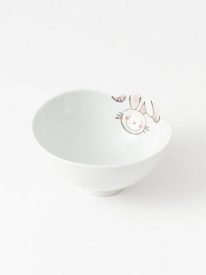
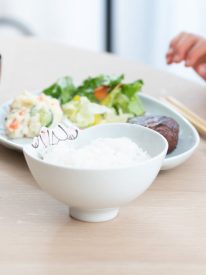
This unique rice bowl has a rabbit’s face on the inside and the back of two rabbits on the outside. The rim is designed to follow the rabbit’s face. The expression of the rabbit, and the combination of pink and white colors are very adorable. With its humorous design and easy to use size, it…
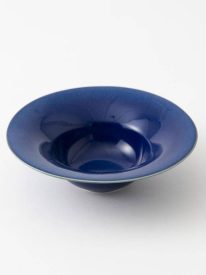
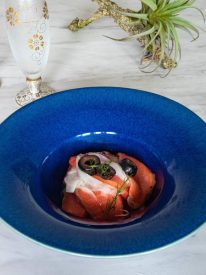
This deep side plate in a shiny dark blue color has an exquisite silhouette with wide rims and and a beautiful curve. The size is perfect for serving a salad, appetizers, sunomono “vinegared food,” aemono “seasoned or sauced food” and nimono “simmered food.” It is great for not only Japanese food, but also various food…
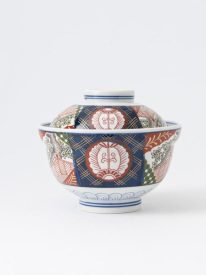
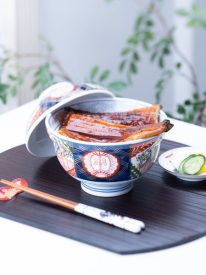
This large-sized Japanese donburi rice bowl features sakura, or cherry blossoms, framed by dark blue, lattice-like patterns, all rendered in the traditional nishiki-e style. Nishiki-e, meaning “brocade picture,” is a multi-colored woodblock print technique that revolutionized ukiyo-e during the Edo period (1603 CE-1868 CE), when most prints were in black and white. The lid helps keep…

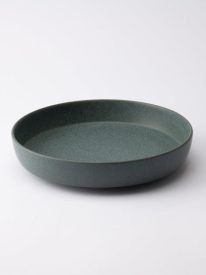 MERU Jade Spume Mino Ware Round Plate 8in
 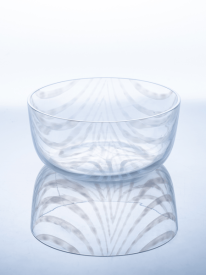 Taisho Roman Makiage Bowl