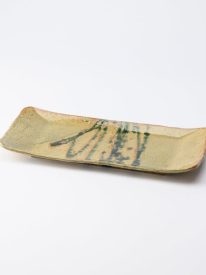
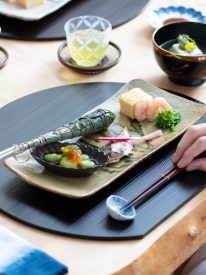
This long plate features a warm, earthy light brown color and an elegant abstract motif of water plants, which is a hallmark of Yashichida Oribe ware, characterized by its green glaze and abstract brushstrokes. The expressive green design extends onto the bottom of the plate, where Tsujii has created a repeating pattern with his fingertips….
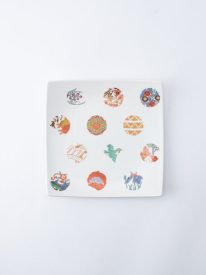
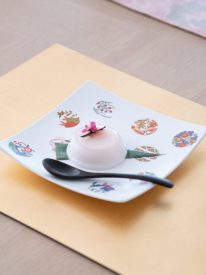
This side plate is adorned with circular motifs featuring auspicious patterns. Bright and cheerful, the circles of this surface feature both birds and floral designs that lend a festive air. The soft matte texture gives the whole piece a sophisticated feel. This item is created by the Rebirth Project, an organization that conducts various social contribution activities,…
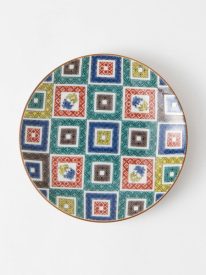
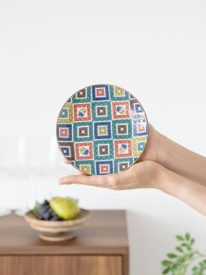
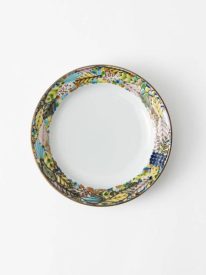
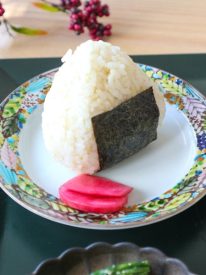
This side plate features traditional tile patterns. Kutani ware uses a brush for painting with Japanese coloring paint, as you can see the painted part is slightly thickened. It is the perfect size as an extra plate for side dishes. It is also versatile to serve cheese, desserts, and other small food. There are different…
This small plate is shaped like a sumo referee’s fan, which is used to signal the outcome of a match. Historically, it is said that samurai commanders once used this type of fan to issue commands during battle. With its distinctive form and cultural significance, this plate brings a touch of tradition to your table….
This nature-themed side plate is part of the Hamorebi series, meaning “sunlight filtering through leaves.” Each piece is beautifully hand-painted by female artisan Sakurai Chie. Using traditional Japanese coloring paintsa hallmark of Kutani warethe painted areas have a slightly raised texture, adding depth and character to the design. Perfect for serving small desserts, fruits, or…
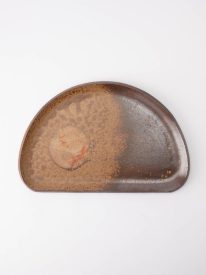
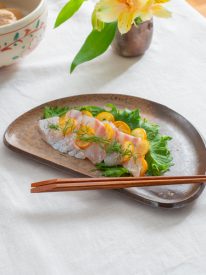
The Hozan Kiln Half Round Plate embodies the earthy textures and colors characteristic of Bizen ware. The term “botamochi” in the product name refers to a traditional round-shaped Japanese confectionery and is also one of the classic patterns found on Bizen ware pieces. This pattern is created by inserting round pieces of refractory clay between…
A smaller size side plate perfect for single servings. Although small in size, the old Imari floral patterns are painted with precision which shows the high quality craftsmanship of the Arita Porcelain Lab tableware. The blue tones are arranged in a modern way, and each piece is individually brushed by craftsmen to create an incomparable elegance….
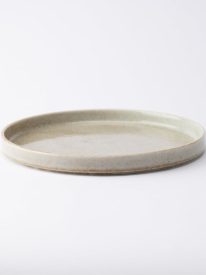
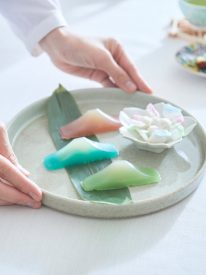
This is an easy-to-use plate that looks great in the dining room, as is typical of MERU, which specializes in dishes suitable for professional use. Measuring 21cm(8.3in), it is just the right size for a main plate for one person. It can also be used for salads and appetizers to be shared by a small…
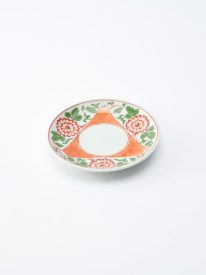
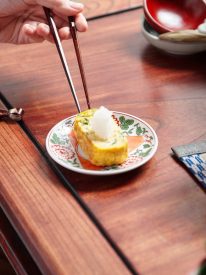
This sauce plate features chrysanthemum motifs alongside an iconic depiction of Mount Fuji. In Japanese culture, the chrysanthemum symbolizes nobility and sophistication. The plate’s central negative space creates a picture-frame effect, elegantly showcasing the food. The plate’s size is ideal for sauces, small bites of pickles, fruit, or desserts like wagashi. It’s an excellent choice…
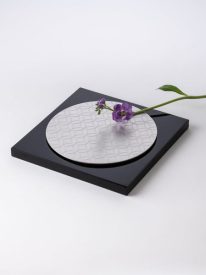
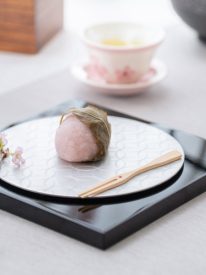
This serving tray is the result of a collaboration between a matte, subdued aluminum tray and a deep, moist Echizen lacquerware tray. Shippo is a pattern in which parallel circles of the same size are overlaid one quarter on top of the other, resulting in a continuous combination of a diamond-like shape and a petal-like shape….
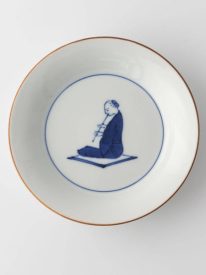
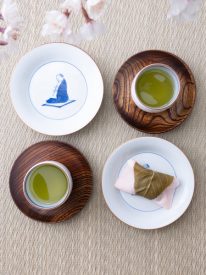
A round side plate featuring a vertical flute player, a motif that the Kutani Choemon kiln has been illustrating for over 60 years. It’s a wonderful example of how traditional Kutani ware meets modern design. This small plate, with its fun and playful design, is perfect for serving side dishes, desserts, or snacks during meals…
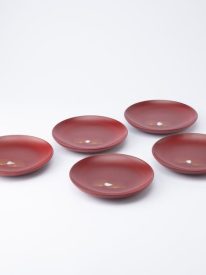
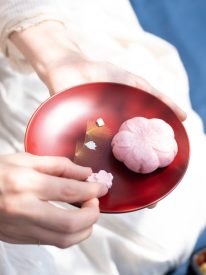
These Echizen Lacquerware side plates are exquisite items combining the refined matte shine of red lacquer with the detailed gold designs made with “Chinkin” done by the second generation Ritsuzan Tomita, a renowned Chinkin craftsman. The smooth and even coat of the deep red lacquer is painted using a technique called “Negoro,”a method of…

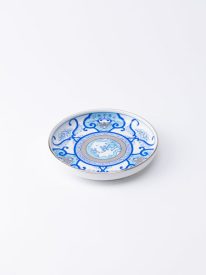
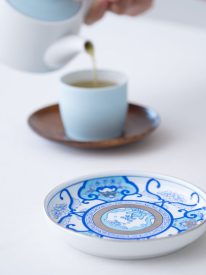
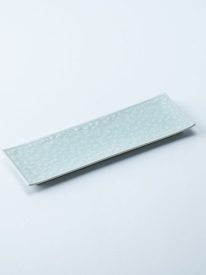 Arabesque Side Plate
 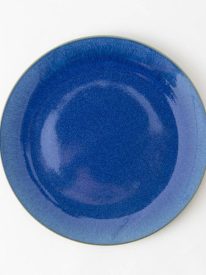 Grand Bleu Dinner Plate 9.2 in
 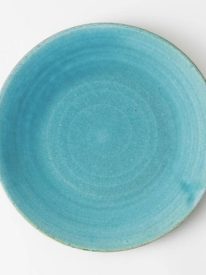 Bloom Round Dinner Plate 11 in