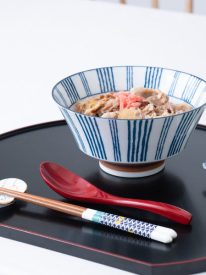
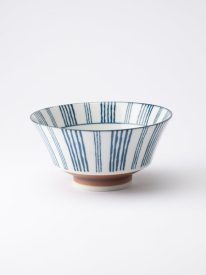
This regular-sized Japanese ramen bowl showcases a timeless blue-striped pattern that enhances a variety of table settings. Its sleek, straight silhouette offers a contemporary aesthetic, making it a standout choice among ramen bowls. With their irregular hand-painted touch, the vertical stripes follow the beautifully flared shape of the bowl accentuating the overall design. The inner…
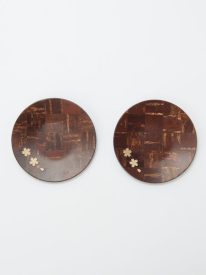
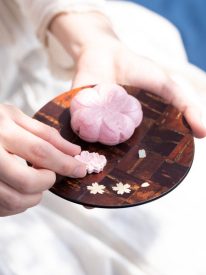
This charming set of two round side plates is crafted from cherry bark, showcasing the natural beauty of this material. Each plate features a checked pattern with cherry blossom detailing. Although small in size, these plates are big in character. The cherry bark has a beautiful natural luster, a deep sheen that seems to shift…
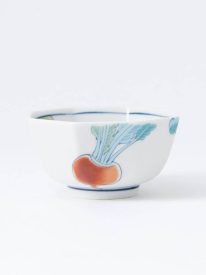
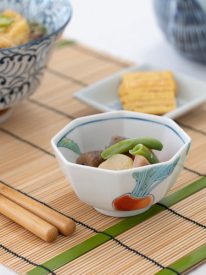
This small kobachi bowl features a red turnip, and one leaf of the turnip is also shown inside of the bowl. Turnip is one of the motifs that has long been regarded as a lucky charm in Japan, and is often used for tableware. The refreshing white-based small bowl is a handy size, durable and…
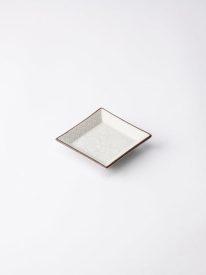
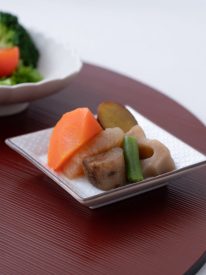
This porcelain sauce plate is painted with an elegant traditional pattern in white, decorated with the pattern called “hanazume,” giving an image of flowers blooming all at once. While Kutani ware is loved for its vibrant colors, the hachi-kutani series features sauce plates all in white. They are made at Seikou Kiln. Seikou Kiln researched Japanese overglaze…
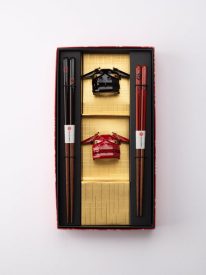
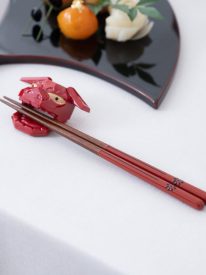
This striking gift set includes two pairs of Wakasa lacquerware chopsticks with chrysanthemum designs and two chopstick rests shaped like lion masks from the traditional shishi-mai “lion dance.” Each chopstick is decorated with a single chrysanthemum flower. The chrysanthemum flower holds deep significance in Japan as it serves as the emblem of the Imperial Family….
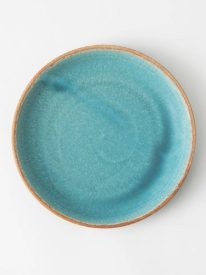
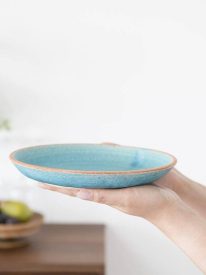
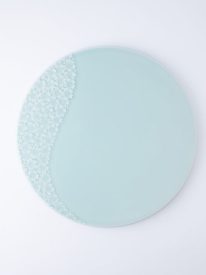
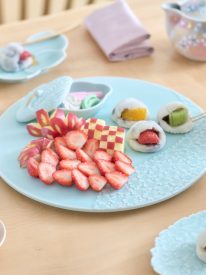
This simple and modern plate has a beautiful turquoise color. The glaze’s appearance varies uniquely with each piece according to the conditions during firing, resulting in a naturally exquisite shade of blue. Highly versatile, this plate is suitable for serving salads, appetizers and side dishes. With its refreshing look, it is perfect for desserts and…
This round dinner plate features a stunning sakura, or cherry blossom, carving that beautifully frames any dish placed on it, adding elegance to your dining table. Simply setting it at the center creates a striking focal point that enhances the entire space. The gentle, matte celadon finish offers a soft, inviting feel the moment you…
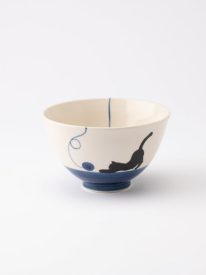
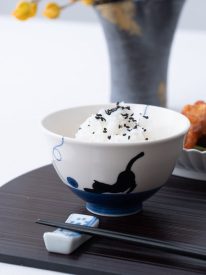
This easy-to-use Japanese rice bowl features a cat playing with blue yarn on a smooth porcelain which is typical of Hasami Ware. With a diameter of 11.4cm(4.5in), it is a perfect bowl for serving an average portion of rice. There is also a teacup in the same series. How about matching them as a gift for friends…
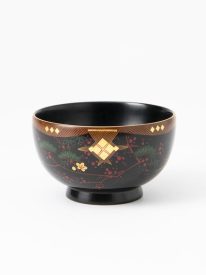
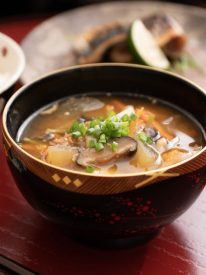
This soup bowl is hollowed out from Japanese horse chestnut, which is the best material for wood bowls. It has a slightly matte texture in calm black color.The lacquering process, from the base coat to the top coat, has been inspected for designation as a traditional Aizu lacquerware craft.Aizu-e, the traditional design of Aizu lacquerware,…
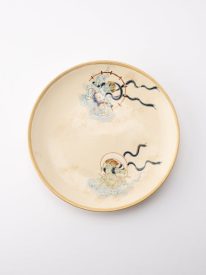
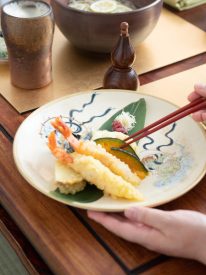
Featuring the distinctive “nami-yu” glaze, which is made from the ashes of the Kyoto forest, the plate has a natural base color in yellowish cream-white. Founded in 1868 as a Kiyomizu ware wholesaler in Kyoto, Tosen Kiln uses its own blend of soil and glaze, preserving the methods and quality of the works of Nonomura…
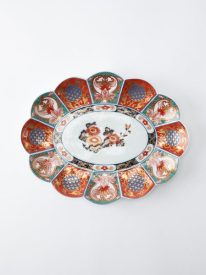
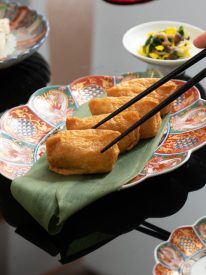
This exquisite plate beautifully combines the intricate patterns of Imari style with a modern aesthetic suitable for everyday tableware. Lightweight and durable, it features a wave-patterned rim that strikes an elegant balance between vibrant colors and pristine white. The rim boasts a diverse array of motifs, culminating in a captivating and imaginative display. Prominently, the…
This regular-sized Japanese donburi rice bowl features sakura, or cherry blossoms, framed by dark blue, lattice-like patterns, all rendered in the traditional nishiki-e style. Nishiki-e, meaning “brocade picture,” is a multi-colored woodblock print technique that revolutionized ukiyo-e during the Edo period (1603-1868 CE), when most prints were in black and white. The bowl is perfect…

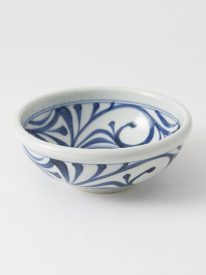 Blue Flower Arabesque Medium Bowl