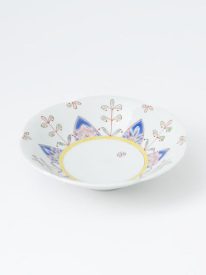
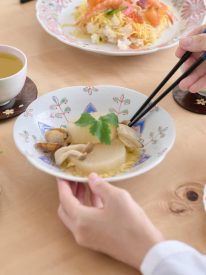
This bowl showcases dreamy patterns delicately painted by the artisans of Ginshu Kiln, renowned for its romantic and playful pastel-colored designs. The painted areas have a slightly raised texture, a characteristic of Kutani ware, which is traditionally hand-painted using Japanese coloring pigments and a brush. Its versatile size makes it perfect for serving salads, appetizers,…
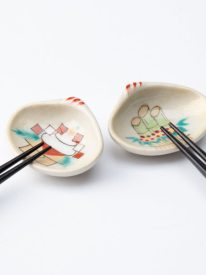
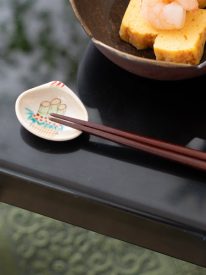
This set of chopstick rests are designed in the shape of shells, featuring a kadomatsu and kagami mochi motif. Kadomatsu, the decorative pine trees for New Year, and kagami mochi are traditional Japanese symbols used to welcome the New Year and to honor the gods. It is believed that Toshigami, a Japanese deity representing vitality, dwells…
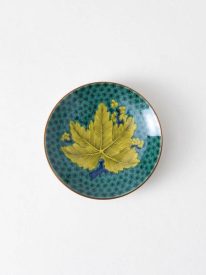
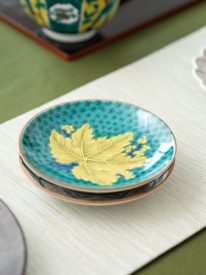
The Japanese sauce plate features a large yellow sycamore leaf in Ko-Kutani (old Kutani) style, dating back to mid-17th century, depicting the nature-themed daring design and distinctive bright colors of Kutani ware. Perfect size as a sauce plate. It is also versatile to serve cheese, nuts, condiments, and other small food. Furthermore, you may also…
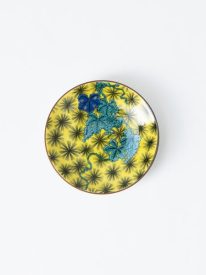
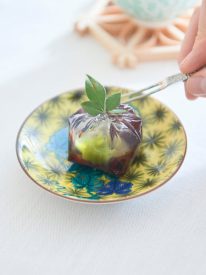
The Japanese plate features a grape and vines in Ko-Kutani (old Kutani) style, dating back to mid-17th century, depicting the nature-themed daring design and distinctive bright colors of Kutani ware. Perfect size as a sauce plate. It is also versatile to serve cheese, nuts, condiments, and other small food. Or you can put a small…
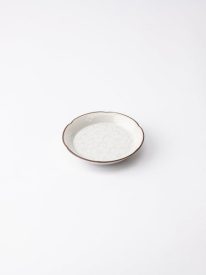
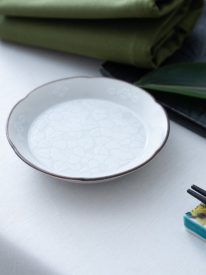
The porcelain is in the shape of a plum blossom. It has an elegant traditional pattern of camellias. The connotations of the camellia design are “eternal beauty” and “impeccable charm.” Camellia also has the meaning of warding off bad lucks. While Kutani ware is loved for its vibrant colors, the hachi-kutani series features sauce plates all…
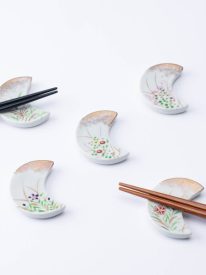
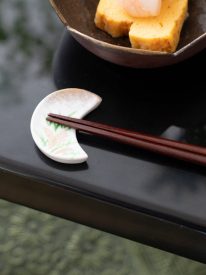
A beautiful crescent-shaped chopstick rest by Kyo ware’s Hozan Kiln is decorated with five types of flowers and grasses and sprinkled with gold dust. Japanese pampas grass and bellflowers, which suit the moon motif, evoke autumn meadows. Boasting a sleek and seamless surface, these ceramic chopstick rests serve as a quintessential addition to your daily dining…
This small porcelain plate has auspicious design patterns: “Nami Chidori,” plovers and waves, and “Karakusa,” an arabesque design. Nami Chidori, a combination of a plover and a wave, means “to overcome rough seas together.” Arabesque designs are considered a symbol of longevity and prosperity of offsprings, as arabesque, the vine, extends its stems in all directions….
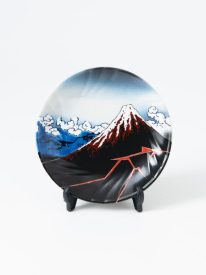
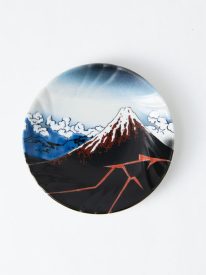
This plate features “Kuro(Black)Fuji”, said to be a twin of “Aka(Red)Fuji” by Katsushika Hokusai.Different from the majestic and generous Fuji in “Aka Fuji,” “Kuro Fuji” depicts a wild and stormy Mt Fuji with the summer cumulonimbus clouds and lightning, giving the impression of nature’s strength and dynamism. Hokusai draws many pictures with Mt. Fuji as…
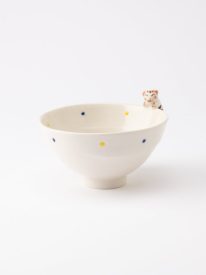
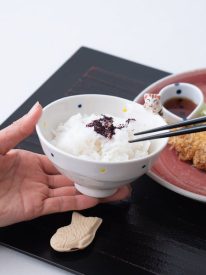
Children will smile back at the cute kitty cat on the rim when they eat out of this adorable rice bowl from Kikusho Kiln. Looking from the side, you can see a tabby cat with a big smile hanging from the edge of the rice bowl. The rim of the rice bowl is slightly thicker…
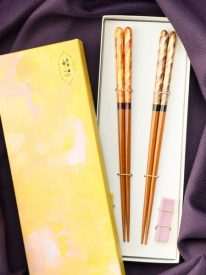
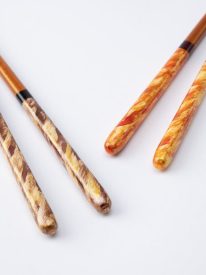
These hand-painted chopsticks from Matsukan’s Crystal series embody the seasonal beauty of autumn and winter. Drawing inspiration from hidamarithe enchanting play of sunlight on a chilly daythese chopsticks are exquisitely crafted to capture the essence of each season’s palette. Autumn comes alive in vivid orange tones, evoking the essence of fall twilight. Winter is depicted…
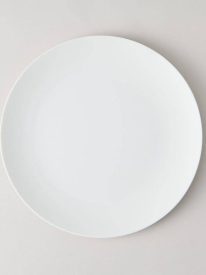
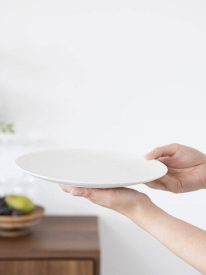
This simple and modern plate accentuates the beauty of white porcelain. Like a canvas, this white plate enhances the color of the ingredients and makes them look vivid. The size D 23.5 cm (9.2 in) is very useful for both main dishes and side plates. It is perfect as a sashimi platter, sushi platter, and…
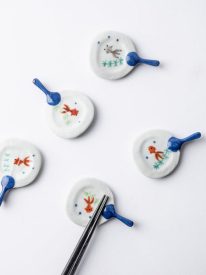
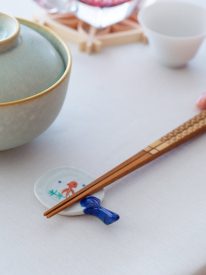
These five paper fan-shaped chopstick rests all feature different designs of goldfish in the water. One of the designs is of an inky black goldfish and the other four are brilliant red fish. According to Feng Shui beliefs, the red goldfish bestows good luck while the black goldfish absorbs negative energy. Furthermore, the water plants…

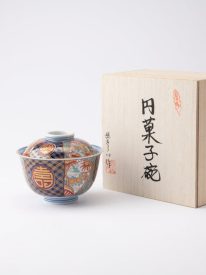 Yazaemon Somenishiki Kotobuki Pattern Kobachi Small Bowl with Lid
 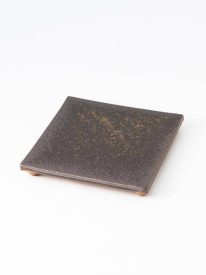 Ash Glaze Footed Square Side Plate
 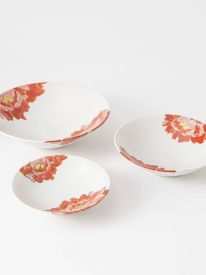 Red Peony Bowl Set A