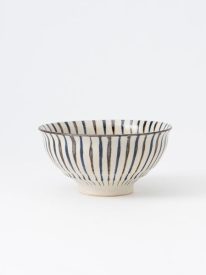
This small-sized donburi bowl features the traditional Japanese tokusa “horsetail” pattern with vertical stripes in dark blue and earthy brown. The rich, rusty hue of the brown, due to its high iron content, gives the bowl a warm, inviting finish. Beloved since the Edo period (1603-1868 CE), this pattern of straight vertical lines is inspired by…
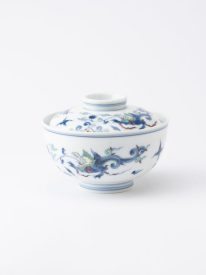
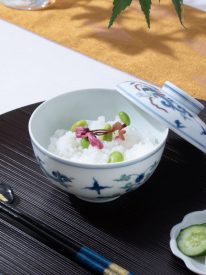
This kobachi small bowl with a lid is adorned with vibrant dragon and arabesque patterns, which stand out beautifully against white porcelain. Both dragons and arabesque motifs are considered auspicious and have been popular designs on tableware since ancient times. The bowl is perfectly sized for serving rice and is also ideal for simmered dishes. The…
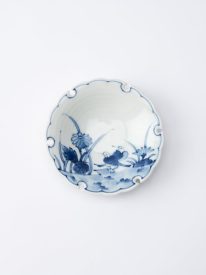
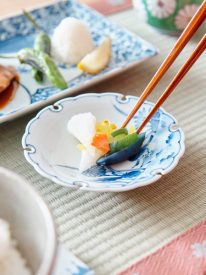
This elegant sauce plate is crafted by Takayama, renowned for Hasami porcelain. In the timeless blue and white of sometsuke, it features a classic pattern of kacho-sokaflowers, birds, and grass. The rim is delightfully formed into a snowflake, the delicate ripples and cut-outs representing the snow’s precious crystals. The gentle conical slope to the base…
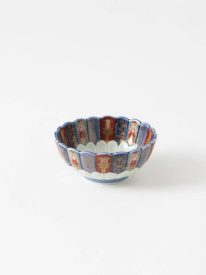
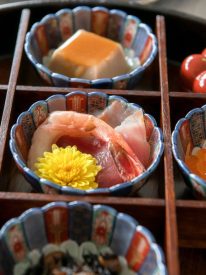
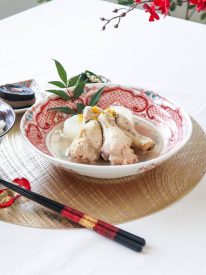
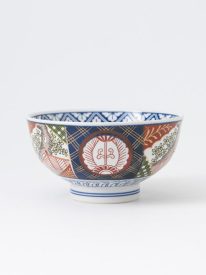
This gorgeous kobachi small bowl features a modern interpretation of the traditional classic patterns of old Imari. The perfect balance of vivid colors, gold and white makes it a classy and stunning piece. With this brilliant look, it is great for complementing your everyday meal, as well as a special gift for someone who loves…
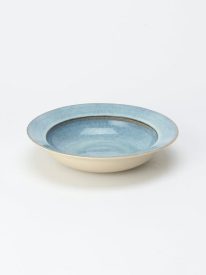
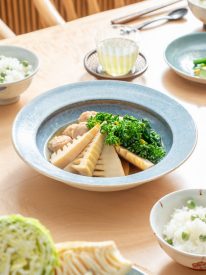
This versatile deep plate beautifully features the natural textures and hues of Shigaraki pottery. It’s offered by Homeland, a brand dedicated to providing kitchen items that become cherished tools in everyday life, and crafted in collaboration with Hissan Pottery, a renowned Shigaraki ware kiln. The delicate variations of blue in aohagifrom the soft light of…
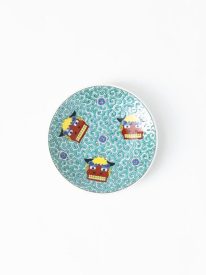
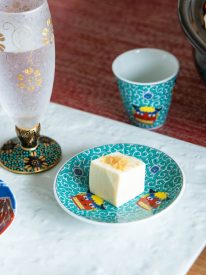
This sauce plate features a shishi. Shishi is an imaginary creature that resembles a lion. It is believe to have the power to ward off evil. Perfectly sized as a sauce plate, it is also versatile to serve cheese, nuts, condiments, and other small food. You may also serve small portions of food or relishes…
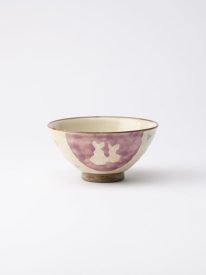
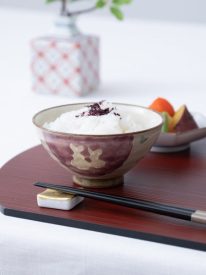
A beautifully handcrafted children’s rice bowl with an authentic Japanese feel. The charm of this rice bowl is in the hand-painted drawings.Two bunnies sitting side-by-side on a pink semi-circle with an Arabesque design are hand drawn on each piece. And differing shades of pink can be enjoyed with the watercolor painting style. The bunnies and…
A gorgeous Japanese bowl with intricate paintings by hand. The detailed drawings in the Iidaya/Akae style of Kutani ware are truly remarkable. Not only does it have a beautifully detailed pattern on the inside, but also the patterns on the outside make it a beautiful bowl from every angle. The size is suitable for serving…
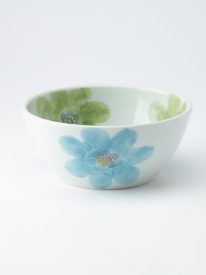
This delightful Tobe ware donburi bowl features soft floral patterns in shades of grassy green and light blue, with subtle gold accents. Applied through the unique washi-zome technique, the floral design brings a watercolor-like softness to the white porcelain surface. With a 16.7 cm (6.6 in) diameter, it’s perfect for serving salads, soups, and noodles….
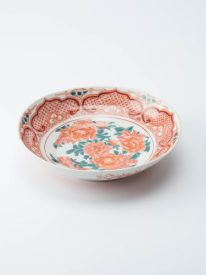
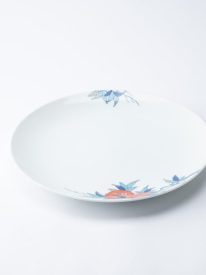
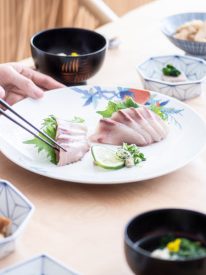
This plate has a beautiful pomegranate design in the iro-Nabeshima (colored Nabeshima) style on stunning white porcelain. The pomegranate pattern is one of the most representative patterns of Nabeshima ware. As bright orange-red flowers bloom in early summer, the pomegranate fruit ripens in autumn, its thick outer skin breaking open to reveal numerous seeds inside….
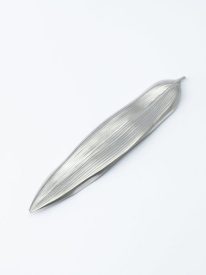
This is a stainless steel cutlery rest in the shape of a bamboo leaf in silver. It is made in Tsubame Sanjo, which accounts for 90 percent of domestic production of metal tableware.It expresses the soft thinness, undulation, and curves of a bamboo leaf, and is designed by Kaichiro Yamada, KAICHI DESIGN, which has won…
This regular-sized Japanese donburi rice bowl features sakura, or cherry blossoms, framed by dark blue, lattice-like patterns, all rendered in the traditional nishiki-e style. Nishiki-e, meaning “brocade picture,” is a multi-colored woodblock print technique that revolutionized ukiyo-e during the Edo period (1603-1868 CE), when most prints were in black and white. The bowl is perfect…



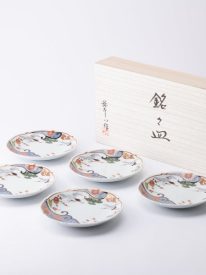 Yazaemon Crane and Wave Side Plate Set
 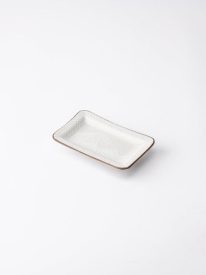 Hachi-Kutani Wave Mt.Fuji Sauce Plate
 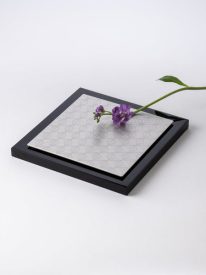 Hemp Leaf Pattern Aluminum and Lacquerware Side Plate
 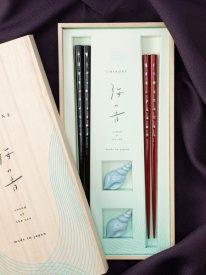 Matsukan Sound of the Sea Shell Inlay Wakasa Lacquerware Set of Two Pairs of Chopsticks 23 cm (9.1 in) / 21 cm (8.3 in) with Chopstick Rests (Set of Two)
 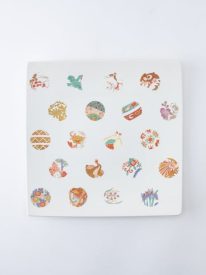 Asteroid Square Dinner Plate
 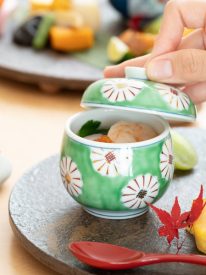 Green Field of Chrysanthemums Chawanmushi Bowl
 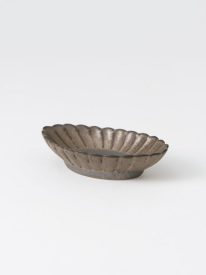 Bronze Chrysanthemum Oval Sauce Plate