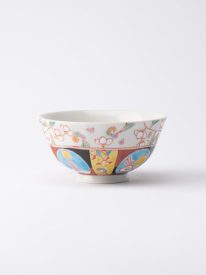
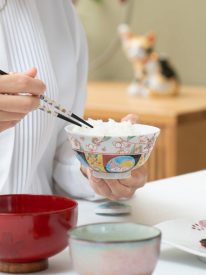
This rice bowl features a pattern designed with a moonlight night motif delicately painted by artisans of Ginshu Kiln, which is especially known as its romantic and playful pastel colored painting. If you take a closer look, there are rabbits hiding in the clouds. The painted areas have a slightly raised texture, a characteristic of Kutani…
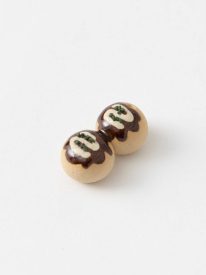
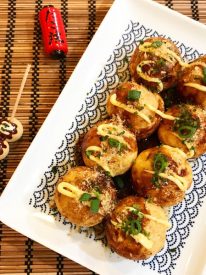
This unique chopstick rest is shaped like takoyaki, complete with mayonnaise and aonori (dried seaweed) for a realistic touch. One of the two pieces even has a small hole, allowing you to stick a toothpickjust like the real thing! Playful and full of humor, this chopstick rest adds a fun twist to your table. In…
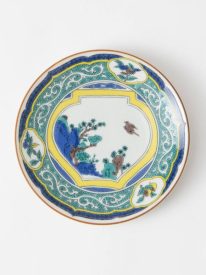
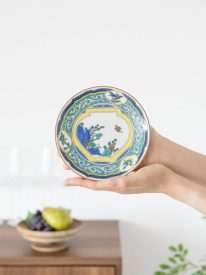
This versatile side plate features a flying bird in mountains, using an art style of ko-Kutani. Kutani ware uses a brush for painting with Japanese coloring paint, as you can see the painted part is slightly thickened. It is great for meal and teatime as it can be used as an extra plate for side…
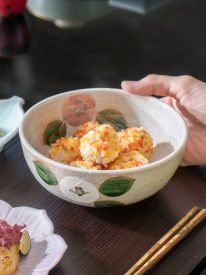
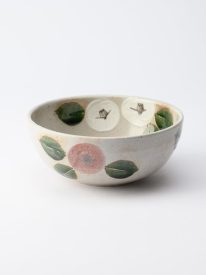
This bowl fascinates with its charming red and white camellia motif, reflecting the beauty of nature. Tsujii Musashi, the artisan behind the kiln, draws inspiration from his surroundings to create pieces that embody a subtle, rustic elegance. The bowl’s refined appearance is further enhanced by gohondenatural pinkish spots that emerge after the firing process. Its…
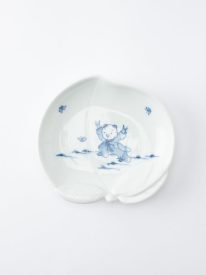
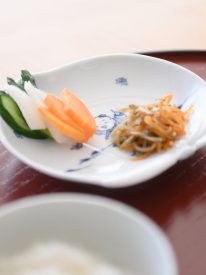
This karako sauce plate is a captivating and unique piece, showcasing the traditional sometsuke blue and white porcelain. The plate now features hand-drawn and painted karako – Chinese-style depictions of children – displaying graceful shades of blue. These playful images of children are depicted with fine lines and gentle soft shades, bringing a heartwarming and whimsical…
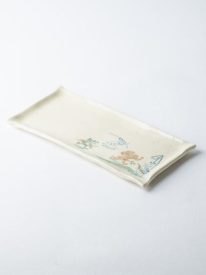
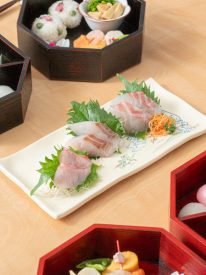
Featuring the distinctive “nami-yu” glaze, which is made from the ashes of the Kyoto forest, this rectangle plate has a natural base color in yellowish cream-white. It depicts the famous illustrated scroll named “Choju Giga” which is a caricature picture scroll depicting anthropomorphic animals and their playfulness, dating from the 12th to 13th centuries. Founded in…
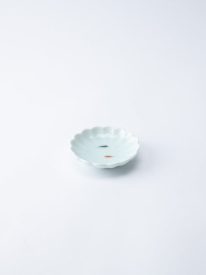
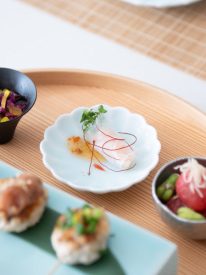
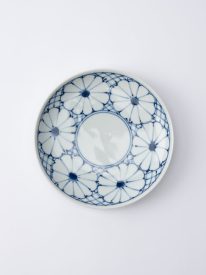
Enjoy the elegant design of chrysanthemum with the natural blue-green luster of celadon in this stylish sauce plate from Kosen Kiln. With its translucent glaze on the blue-jade hue of celadon, a tranquil atmosphere emanates from its glossy exterior, like the calm surface of a glistening pond. Adorning the surface of the sauce plate are Medaka rice fishes…
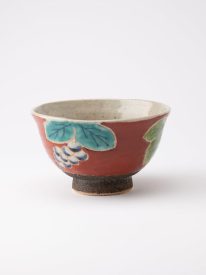
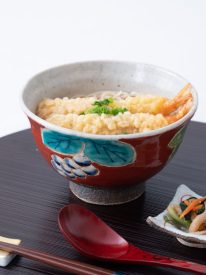
This regular-sized donburi bowl features a deep color scheme of dark red and vibrant green with a charming design of grapes and grape leaves. It showcases the striking kannyu texture, in which delicate, crack-like crazing patterns are formed beneath the glaze. Its depth and straight sides help retain the food’s warmth while adding a touch…
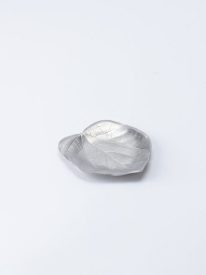
This beautiful, silver sauce plate is shaped like a Heartleaf philodendron or heart-leaf. The veins of the leaves are intricately etched onto the tray’s surface, using techniques from Tsubame City, Niigata Prefecture. It weighs a mere 53g(1.8oz) and its slender design by Kaichiro Yamada, KAICHI DESIGN, makes it easily stackable. The sauce plate is an ideal size to serve fruit, small…
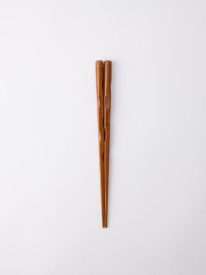
These chopsticks feature the natural texture of bamboo, adorned with subtle indentations. They have a wider top and a narrower bottom but are overall thicker than standard chopsticks for easier handling. Despite their sturdiness, they are incredibly lightweight, making them ideal for those with a relatively weak grip. Zutto means “permanently” in Japanese, reflecting its…
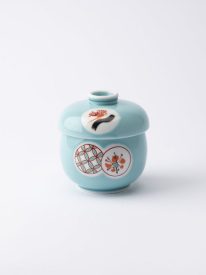
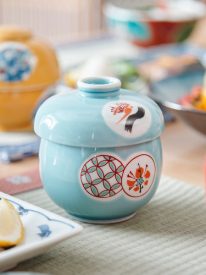
This chawanmushi (Japanese steamed egg custard) bowl has a traditional circle pattern called marumon. The transparent blue-green color unique to celadon porcelain is beautiful and contrasts elegantly with the red circle pattern. Tasei Kiln is a kiln that originally made chawanmushi bowls for restaurant use. If you make chawanmushi with it, you can enjoy authentic…
This round side plate is crafted by Takayama, a renowned maker of Hasami porcelain, and dyed with seitan, a kind of indigo. The plate is adorned with a delicate rinka petal pattern, featuring elegantly connected flower petals in a circular design. Traditionally, the rinka pattern has been cherished in Japan as a symbol of happiness…

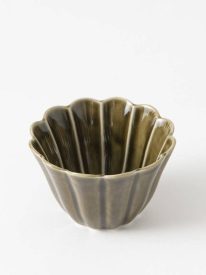 Kikuwari Khaki Kobachi Small Bowl 3.9in
 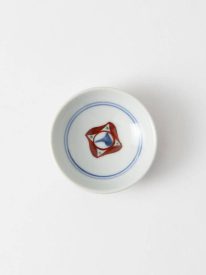 Red Star Sauce Plate