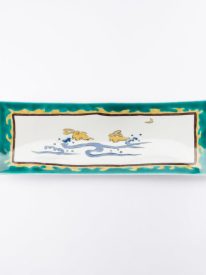
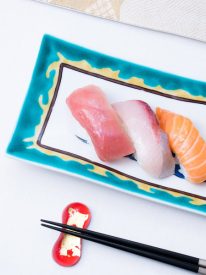
This rectangular platter, painted in the Ko-Kutani (old Kutani) styleone of the most distinguished painting styles of Kutani warefeatures two rabbits and a flowing stream of water. Completely hand-painted, the vibrant colors stand out beautifully against the pristine white background, creating a striking contrast. Even the foot of the platter is finished in green, showcasing…
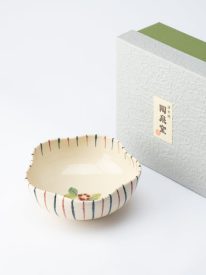
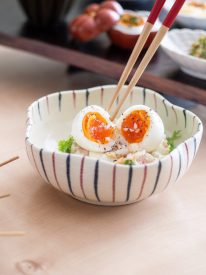
The meticulously adapted tokusa (horsetail) design, a masterpiece innovatively developed by craftsperson Taniguchi, adorns this bowl from Tosen Kiln. The tokusa pattern is vividly presented in two colors, imparting warmth and depth to the hand-drawn lines. These lines, initially penciled to ensure spacing, defy the impersonal touch of printing, thus infusing the bowl with…
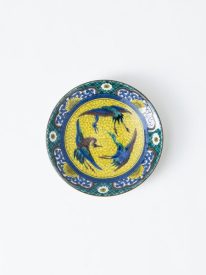
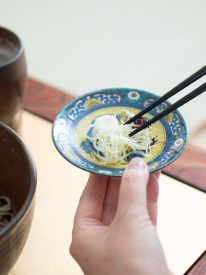
This sauce plate features three cranes flying freely as if they are dancing. A crane is a symbol of longevity and good fortune in Japan from ancient times. Kutani ware uses a brush for painting with Japanese coloring paint, as you can see the painted bird is slightly thickened and standing out. It is the perfect…
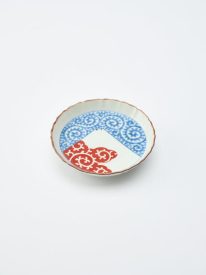
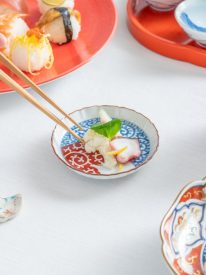
This sauce plate features swirling karakusa “arabesque” motifs that signify growth and longevity, alongside an iconic depiction of Mount Fuji. This plate features an 8 cm (3.1 in) flat center framed by a sharply contoured 1 cm rim. It showcases the somenishiki technique, where the plate is first glazed with intricate blue and white patterns before…
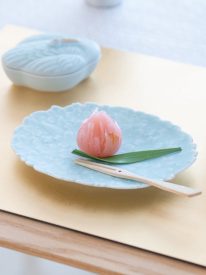
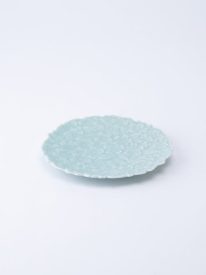
The graceful matte celadon texture of this sakura, or cherry blossom, side plate conveys tenderness the moment you touch it. Cherry blossoms are delicately engraved with varying depths, creating a harmonious interplay of deep and shallow patterns, beautifully enhanced by the magnificent shading of the celadon porcelain. It is perfect as an additional plate for…
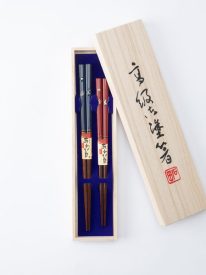
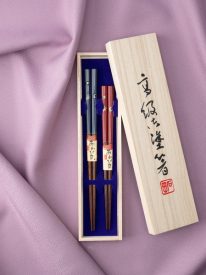
This set includes two pairs of finely crafted chopsticks, combining chic blue and red hues with subtle shell inlays. Made from natural wood and finished with layers of lacquer on the bottom half, these chopsticks have a beautiful, rich luster. Intricately designed with the traditional Japanese motif of a rabbit and a full moon, the…
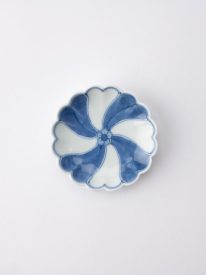
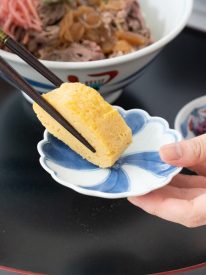
This easy-to-use chrysanthemum-shaped sauce plate features twisted lines radiating towards the center, giving the piece a classical feel. This plate is available in different designs, so you can collect them for a more enjoyable table setting. Perfectly sized as a sauce plate, it is also versatile to serve cheese, nuts, condiments, and other small foods. Or…
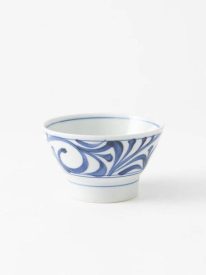
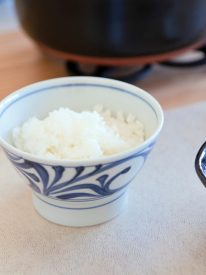
This rice bowl showcases an arabesque pattern, one of the representative motifs of Tobe ware. Its indigo shade adds a modern touch, while the hand-painted nature motifs bring warmth and character to each piece. The high footing makes it easy to hold, adding praticality to its charm. Perfectly sized for a single serving of rice,…
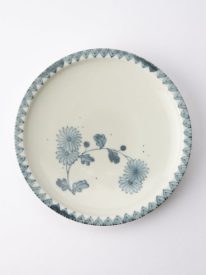
This is a Arita ware plate by Ri Sanpei (Yi Sam-pyeong) Kiln, a brand by the descendant of Yi Sam-Pyeong, the discoverer of white porcelain ore for Arita ware. This dish is simple, yet dignified and powerful. This design itself is from the early Imari period, about 400 years ago. Chrysanthemums are characterized not only by their beauty…
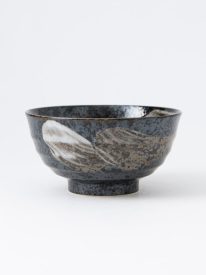
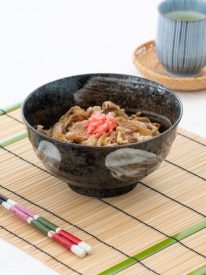
Imbued with a dark elegance, this regular-sized donburi bowl brings a refined, upscale touch to any meal. The glossy black glaze, enhanced with a subtle metallic sheen, provides the perfect backdrop for bold brushstrokes in brown and white. Crafted on a potter’s wheel, the bowl has a pleasing weight and a warm, tactile quality, making…
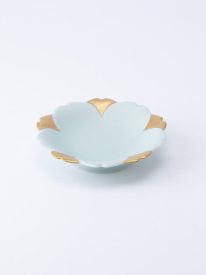
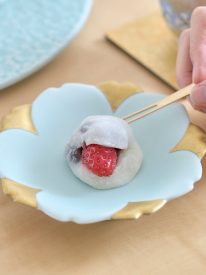
The matte celadon texture of this sakura-shaped plate conveys tenderness the moment you touch it. Accented with gold, the combination with the pale blue is graceful and sophisticated. With its unique shape and subtle depth, this plate catches the eye and elevates each dish. Perfect for serving small desserts, candies, or even holding small accessories,…
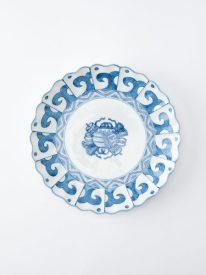
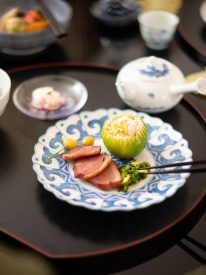
This side plate is a magnificent example of the artistry found in Mikawachi ware, featuring hand-painted designs in blue on fine, durable porcelain. The rim of the plate is adorned with the geometric patterns of shonzui-de waves, a style influenced by the porcelain patterns originally produced in Jingdezhen kilns during the late Ming Dynasty. At…


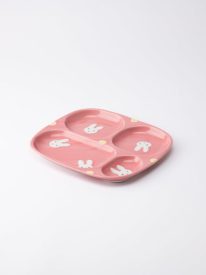 Oshin Kiln Pink Rabbit Hasami Children's Divided Plate