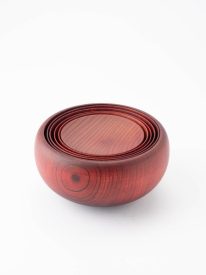
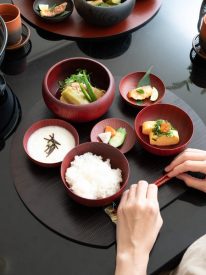
Oryoki is a functional set of bowls inspired by Zen Buddhist principles, designed to minimize waste with a functional, minimalist style that suits modern tables. The set stacks perfectly, with smaller bowls nesting neatly inside the largest, ensuring easy storage and portability. This compact design allows even a six-layer set to be stored effortlessly, making…
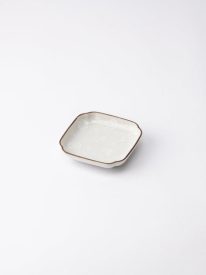
While Kutani Ware is loved for its vibrant colors, the hachi-kutani series features sauce plates all in white. They are made at Seikou Kiln. Seikou Kiln researched Japanese overglaze paint of Kutani ware for years. Thick overglaze paint with traditional Japanese paints is the same quality as hand paint and brings out a sense of…
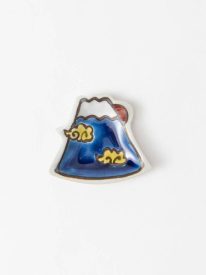
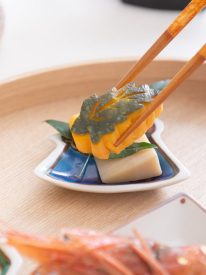
This Mount Fuji-shaped sauce plate captures the beauty of Japan’s most iconic mountain, which is believed to bring good fortune and symbolize a bright future. Each piece is uniquely hand-painted, giving it a warm and inviting texture. Perfectly sized as a sauce plate, it is also versatile for serving cheese, nuts, condiments, and other small…
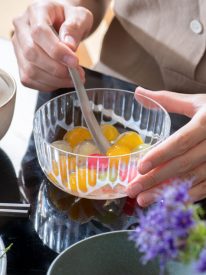
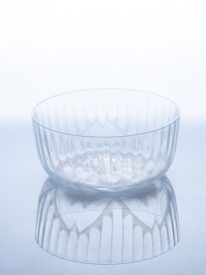
This is a glass bowl with a sakura “cherry blossom” design from the Taisho Roman glass series by Hirota Glass, a long-established glass manufacturer in Tokyo. Cherry blossoms, with their charming appearance and deep cultural significance, are beloved not only in Japan but also around the world. They symbolize both natural beauty and rich tradition. This pattern…
This kobachi small bowl is a beautifully decorated item reflecting the high-quality craftsmanship handed down for generations within Arita Porcelain Lab’s long history. The technique displayed in this bowl is called somenishiki where the bowl is first glazed with white and blue patterns and then is further decorated with detailed hand painted drawings. The character in a…
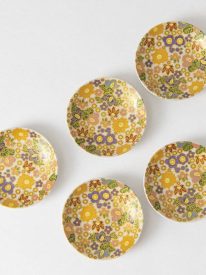
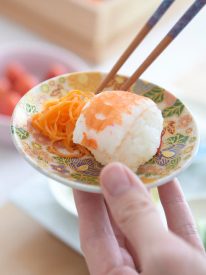
This elegant Japanese small plate set is adorned in “Hanazume” style, decorated by beautiful colorful flowers delicately outlined in gold. Perfect size as a sauce plate. It is also versatile to serve cheese, nuts, condiments, and other small food. Or you may put a small portion of food or relishes in, place it on a…
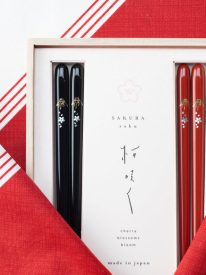
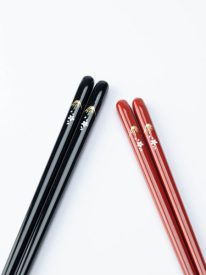
Embrace the refined artistry of Matsukan with these chopsticks, adorned with the design of the iconic Mt. Fuji and cherry blossoms, or sakura in Japanese. The striking contrast of black and deep red provides a dramatic canvas and showcases Japan’s renowned peak in a delicate and impactful manner. The intricately drawn cherry blossoms on the…
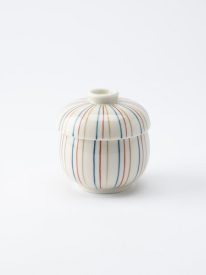
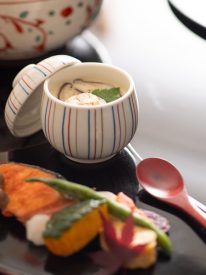
Enjoy delicious chawanmushi, Japanese steamed egg custard, in this beautiful Arita ware chawanmushi bowl. This Chawanmushi bowl is painted in the “Tokusa (Horsetail)” pattern which is a classic motif that has been beloved since the Edo period (1603 CE – 1867 CE). Its straight-growing appearance symbolizes wishes for growth and prosperity. And the three subdued colors…
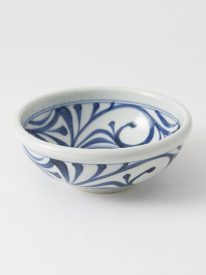
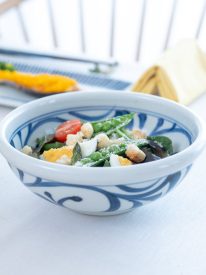
This medium bowl features a hand-painted arabesque pattern, a signature motif of Tobe ware. The deep indigo hue adds a modern touch to its traditional design. Sized for versatility, it’s perfect for daily use, whether serving salads, simmered dishes like nikujaga, or cold udon and soba noodles. The wide shape comfortably holds each dish, enhancing…
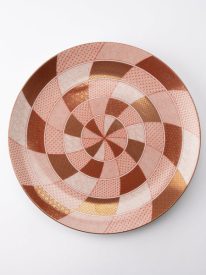
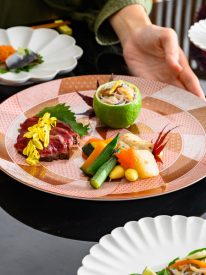
A simply stunning plate with finely detailed traditional patterns in various shades of red decorated with gold. Akae, or “red painting,” is one of the classic techniques of Kutani Ware. Detailed patterns with differing shades of a red pigment are added to the Kutani ware that fully cover the surface of the item. To add…
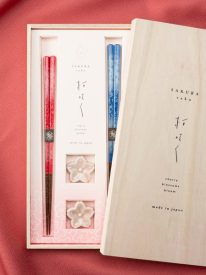
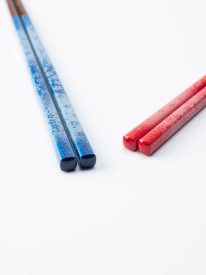
Delicate blossoms scattered over a soft gradient of colors evoke the image of cherry blossoms, sakura in Japanese, floating on a clear day. Subtle touches of glitter enhance the impression of a bright spring day, perfect for enjoying sakura in full bloom. Further adding to the allure are the Hasami ware chopstick rests in a…
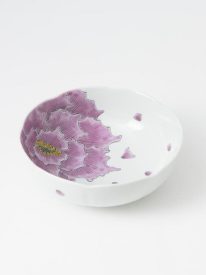
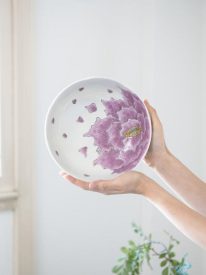
The large bowl features a beautiful pink peony, hand-painted by artist Fukuda Yoshinori. A large peony is designed to fit the round bowl, with scattered petals drawn around it and on the outside of the bowl. Rooted in the rich tradition of Kutani ware, Fukuda Yoshinori brings his mastery of akae, Yoshidaya, and ko-kutani styles…

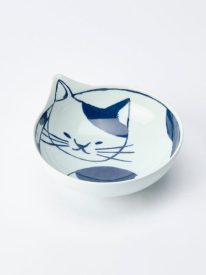 Neco Spotted Cat Large Bowl
 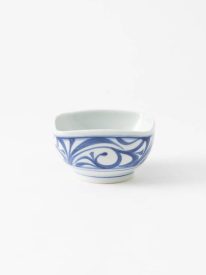 Arabesque Square Kobachi Bowl
 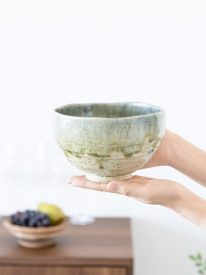 Green Ash Glaze Donburi Bowl L
 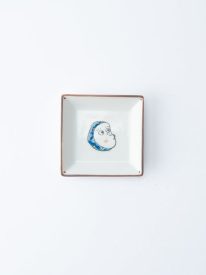 Hyottoko Square Sauce Plate
 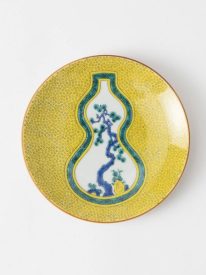 Yoshidaya Gourd Round Plate
 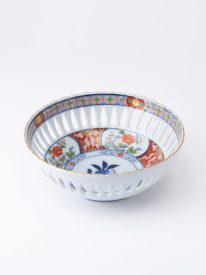 Yazaemon Lace Cut Large Bowl