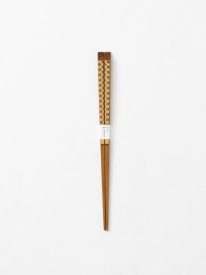
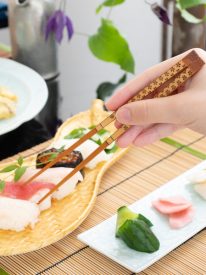
These chopsticks feature a charming sakura, or cherry blossom, patterns on white bamboo and are finished with a sleek lacquer coating. Sakura symbolizes inner beauty and elegance. Bamboo chopsticks are moderately light and very easy to hold. Their flexibility and thin tips make eating effortless and precise. The warm touch and gentle feel of the lacquer further…
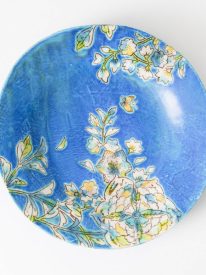
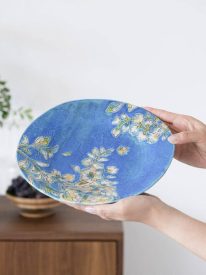
A rich turquoise glaze with a natural gradient flows across the surface, created by expressive, hand-painted brushstrokes. Delicate flowers in soft shades of yellow, blue, and white spread across the plate. The intricate pattern extends beyond the rim, while fine kannyu crackles enhance the textural richness. The generous size and slightly curved form make this…
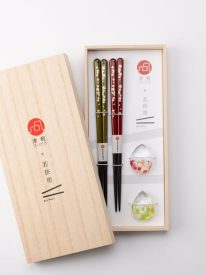
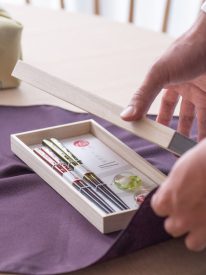
This gift set brings together the craftsmanship of Tsugaru Vidro from Aomori Prefecture and Wakasa lacquerware from Fukui Prefecture. Featuring a delicate cherry blossom design, the handles are painted in an attractive deep red or green hue. The moment you hold the chopsticks in your hand, you can truly appreciate the quality of authentic craftsmanship….
This Japanese chopsticks and chopstick rests set showcases a charming design of birds amidst a detailed floral pattern. The vibrancy of green and red adds a lively touch to your dining table. The chopsticks are crafted for easy holding with indented handles. Place the chopsticks on their matching rests for a perfectly coordinated setting right…
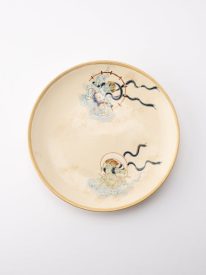
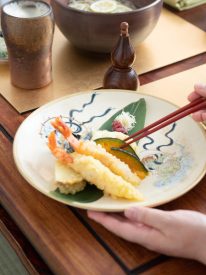
Featuring the distinctive “nami-yu” glaze, which is made from the ashes of the Kyoto forest, the plate has a natural base color in yellowish cream-white. Founded in 1868 as a Kiyomizu ware wholesaler in Kyoto, Tosen Kiln uses its own blend of soil and glaze, preserving the methods and quality of the works of Nonomura…
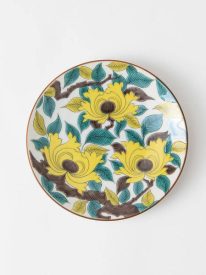
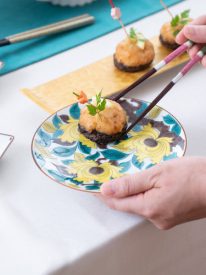
This side plate features large yellow peony flowers. This is a classic design of the ko-Kutani style dating back to the mid-17th century, depicting the nature-themed daring design and distinctive bright colors of Kutani ware. With a diameter of 15 cm (5.9 in), it is ideal as an extra plate for side dishes or desserts….
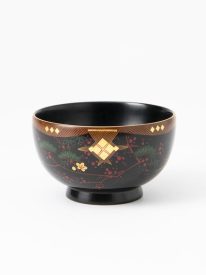
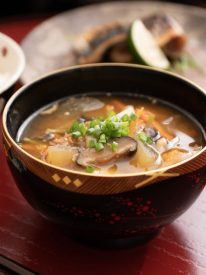
This soup bowl is hollowed out from Japanese horse chestnut, which is the best material for wood bowls. It has a slightly matte texture in calm black color.The lacquering process, from the base coat to the top coat, has been inspected for designation as a traditional Aizu lacquerware craft.Aizu-e, the traditional design of Aizu lacquerware,…
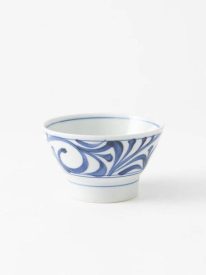
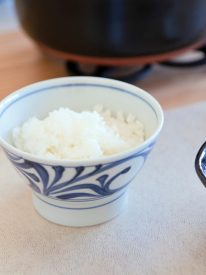
This rice bowl showcases an arabesque pattern, one of the representative motifs of Tobe ware. Its indigo shade adds a modern touch, while the hand-painted nature motifs bring warmth and character to each piece. The high footing makes it easy to hold, adding praticality to its charm. Perfectly sized for a single serving of rice,…
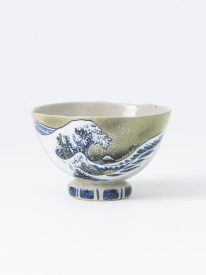
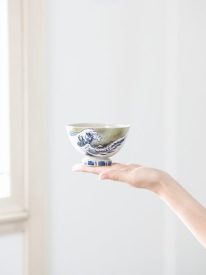
This bowl has a painting of Hokusai’s “The Great Wave off Kanagawa” and it features a warm handicraft shape and a unique foot design. Throughout his life, Hokusai painted waves as the main subject of his paintings along with Mount Fuji. Hokusai’s expression of the ever-changing movement of water captures the hearts of those who…
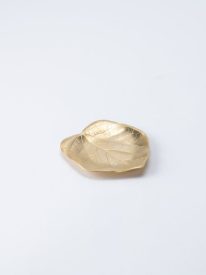
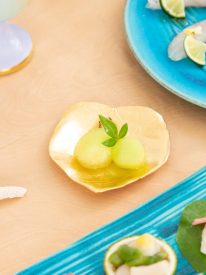
This beautiful, gold sauce plate is shaped like a Heartleaf philodendron or heart-leaf. The veins of the leaves are intricately etched onto the tray’s surface, using techniques from Tsubame City, Niigata Prefecture. It weighs a mere 54g(1.9oz) and its slender design by Kaichiro Yamada, KAICHI DESIGN, makes it easily stackable. The sauce plate is an ideal size to…
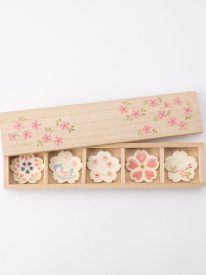
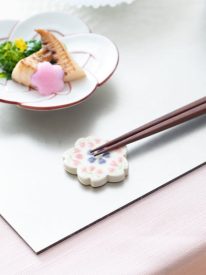
Decorate your table with these elegant chopstick rests from Tosen Kiln. The exquisite yellowish cream white color of the Kiyomizu ware base enhances the various hues which are masterfully used to depict the detailed designs of cherry blossoms. Each chopstick rest is crafted in the shape of a delicate sakura, cherry blossom. From dancing cherry blossoms…
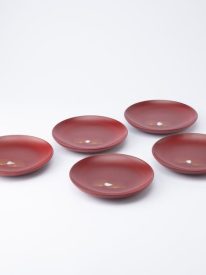
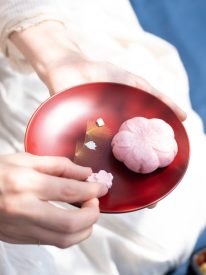
These Echizen Lacquerware side plates are exquisite items combining the refined matte shine of red lacquer with the detailed gold designs made with “Chinkin” done by the second generation Ritsuzan Tomita, a renowned Chinkin craftsman. The smooth and even coat of the deep red lacquer is painted using a technique called “Negoro,”a method of…

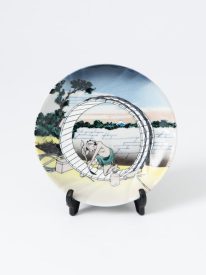 Hokusai Bishu Fujimigahara Decorative Plate