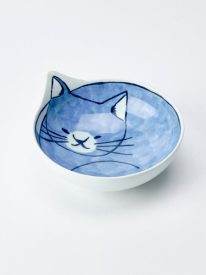
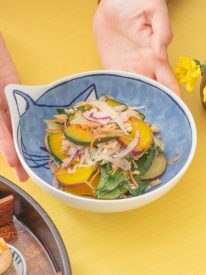
This Hasami ware bowl features a lovely blue cat. The cat is depicted with slightly pointed ears in an adorable curled-up pose, giving the bowl a unique and charming design. The carefully shaded colors on the body enhance the bowl’s charm, making the overall design even more endearing. The smooth porcelain texture and indigo color…
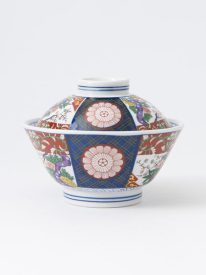
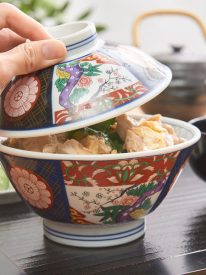
This small-sized Japanese donburi rice bowl features peonies, framed by dark blue, lattice-like patterns, all rendered in the traditional nishiki-e style. Nishiki-e, meaning “brocade picture,” is a multi-colored woodblock print technique that revolutionized ukiyo-e during the Edo period (1603-1868 CE), when most prints were in black and white. The lid helps keep the food warm and…
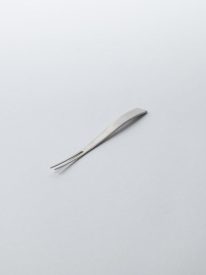
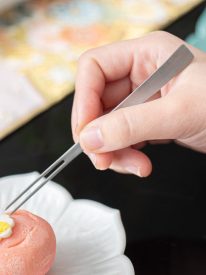
Introducing the fruit fork from the “URBAN” series, which harmonizes effortlessly with any type of dishware. It is produced in Tsubame-Sanjo, a region that accounts for 90% of metal utensil production in Japan. The entire fork is designed with a supple curve that resembles the flow of water. This curvature seems to comfortably adapt to your hand…
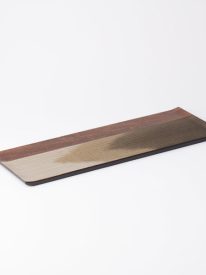
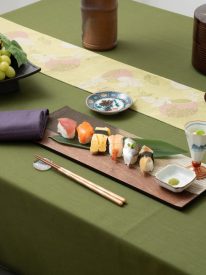
This serving tray is made by Mr. Kiyoteru Morita, a renowned undercoat craftsman of Echizen lacquerware. Sushi and tempura can be stylishly plated on this tray. It can also be used to serve appetizers, main dishes, and desserts. Neatly display small plates, bowls, and ochoko (sake cups)for an elegant Japanese style table setting. The sides…
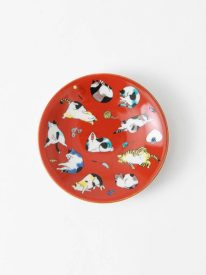
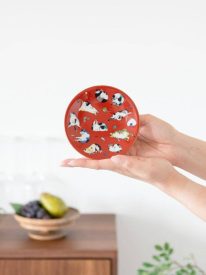
This sauce plate features the Mokubei-style painting of lovely cats, just relaxing and sleeping in a nonchalant posture. Such daily lives of cats and their favorite things like fish, balls of yarn, and toys are playfully depicted on this plate. Perfectly sized as a sauce plate, it is also versatile to serve cheese, nuts, condiments,…
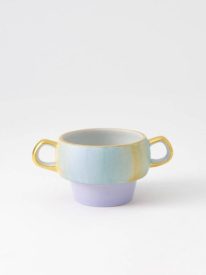
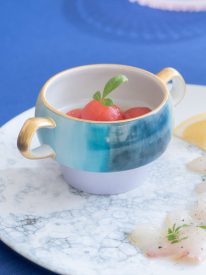
This elegant Japanese soup bowl is handcrafted by Kinzan Kiln. The beautiful gradation expands your imagination, such as the sky’s azure, the cosmic blue, the hazy spring light, or the clear light of early summer. The pale colors and delicate gold are perfectly match in this piece. This series named “Ukiyo” was inspired by the…
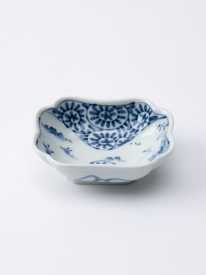
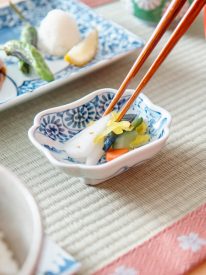
This indigo-dyed, rectangular kobachi small bowl is crafted by Takayama, a renowned maker of Hasami porcelain. The interior of the plate is delicately decorated with a serene landscape scene, beautifully framed by the traditional octopus arabesquetako karakusapattern. This design, featuring endlessly winding vines, has long been cherished in Japan as an auspicious motif symbolizing longevity and…
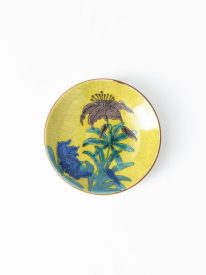
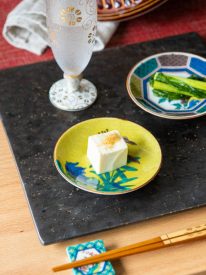
This sauce plate features a lily in Yoshidaya style, a famous traditional style of Kutani ware that combines bright colors that makes this small yet powerful piece stand out. Perfect as a sauce plate, it is versatile to serve any small food such as cheese, nuts, and condiments. You may also place a small portion of…
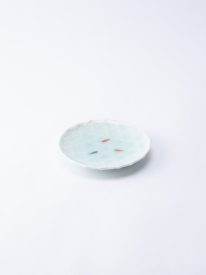
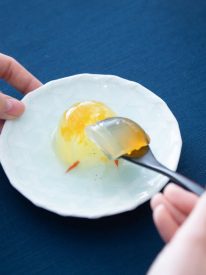
Enjoy the refined natural blue-green luster of celadon with this stylish side plate from Kosen Kiln. This porcelain piece captivates with its intricately woven basket-like design on both sides. The translucent glaze on the blue-jade hue of celadon, creates a tranquil atmosphere emanating from the plate’s glossy surface. Medaka rice fishes are depicted with such realism…
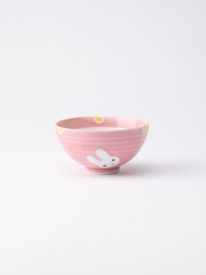
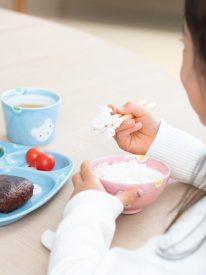
Serve just the right amount of rice to your little ones with this Hasami ware Japanese rice bowl from Oshin Kiln. The rice bowl comes in an adorable soft pink color with cute rabbit faces on the sides. Three yellow polka-dots mark the edge of the bowl. The inside of the rice bowl is in…
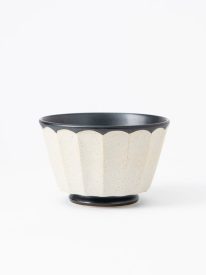
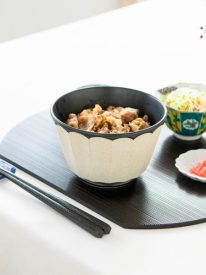
This regular-sized donburi bowl features a smooth, matte black glaze on the outer rim and inner surface, creating a striking contrast with the textured, natural clay on the faceted exterior. This combination of materials offers both a refined tactile experience and a visually sophisticated appeal. Its depth and straight sides help retain the food’s warmth…
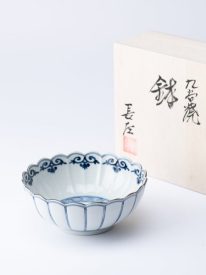
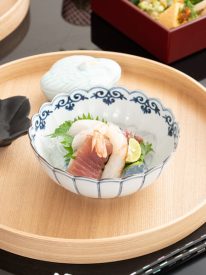
This bowl features exquisite sometsuke designs hand-painted by master craftsman Yamamoto Choza. At the bottom of the bowl lies a botanical and bird motif highlighted with circular patterns in fine lines of blue. The intricacies of each design invite a closer look. The porcelain base is formed using the katauchi technique, where a smooth layer…

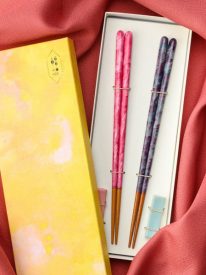 Matsukan Crystal Moss Pink and Wisteria Wakasa Lacquerware Chopsticks Set 22.5 cm (8.9 in) with Chopstick Rests (Set of Two)
 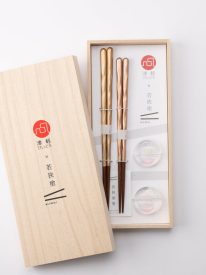 Hosho Champagne Gold Chopsticks Pair Set with Chopstick Rests
 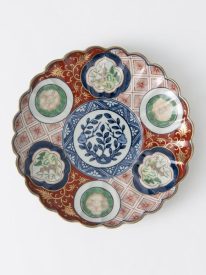 Old Imari Red Sansui Side Plate
 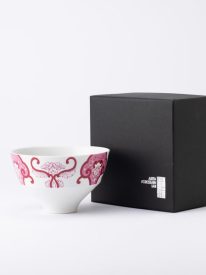 Japan Autumn Burgundy Old Imari Floral Pattern Japanese Rice Bowl
 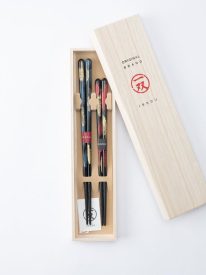 Akebono Chopsticks Pair Set
 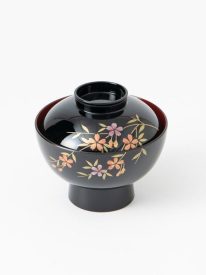 Sakura Soup Bowl with lid
 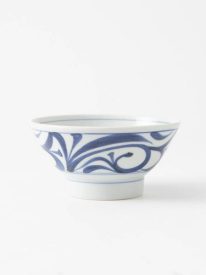 Arabesque Donburi Bowl S
 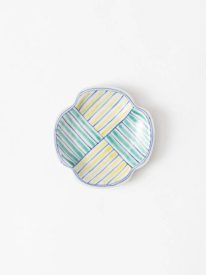 Sword Guard Sauce Plate
 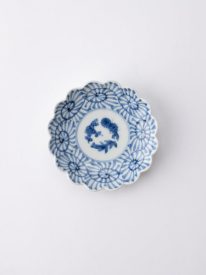 Arabesque Chrysanthemum-Shaped Sauce Plate
 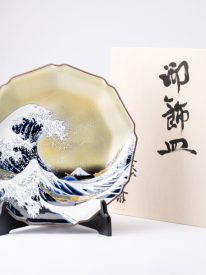 Hokusai Wave Decorative Plate 12.2 in