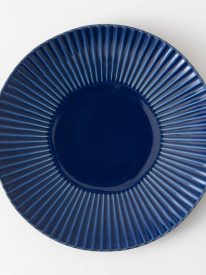
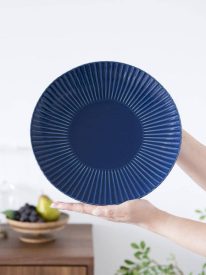
Beautiful Japanese plate featuring an impressive, glossy blue glaze. The delicate shinogi patterns, created by shaving the surface, offer different impressions depending on the viewing angle and lighting. Its size is ideal for serving salads, appetizers, side dishes, and even main dishes. With its refreshing look, it also makes the perfect sashimi or sushi platter.
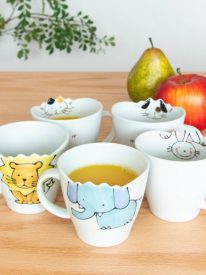
This unique mug has a lion’s face on the inside and the whole body and butterflies on the outside. The rim is designed to follow the lion’s mane. The bright yellow color, with shades of watercolor, retains the warmth of hand-painting. With its humorous design and easy to use size, it is recommended for adults…
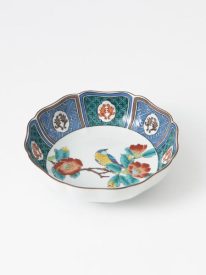
The size is suitable for serving salad, appetizers such as Sunomono(vinegared food), Aemono(Seasoned or sauced food) or Nimono(simmered food) and any side dish. See more items from our Kutani ware collection to create traditional meets modern table setting. PRODUCT DETAIL Dimension: 16cm(6.29in) x 5.2cm(2.04in) Material: Porcelain – Kutani ware Origin: Made in Japan
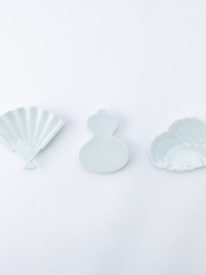
This set includes three small celadon three-footed plates in the shapes of a pine tree, a fan, and a gourd. These shapes are auspicious patterns and are beloved by many in Japan. These small plates are useful for serving small amounts of condiments, delicacies, or dried sweets, and can also double as chopstick rests. They…
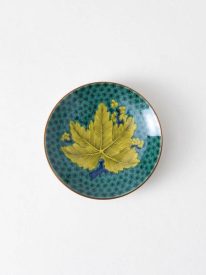
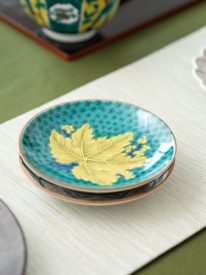
The Japanese sauce plate features a large yellow sycamore leaf in Ko-Kutani (old Kutani) style, dating back to mid-17th century, depicting the nature-themed daring design and distinctive bright colors of Kutani ware. Perfect size as a sauce plate. It is also versatile to serve cheese, nuts, condiments, and other small food. Furthermore, you may also…
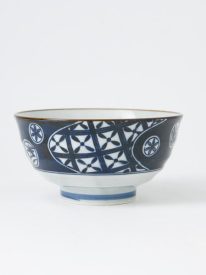
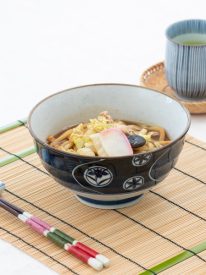
This regular-sized Japanese donburi bowl features a classic shonzui pattern, originally inspired by porcelain designs from the late Ming Dynasty in China. The intricate indigo patterns depict geometric figures and floral motifs, adding a timeless elegance to the piece. Crafted on a potter’s wheel, the bowl has a pleasing weight and a warm, tactile feel,…
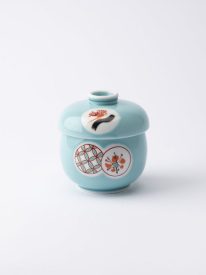
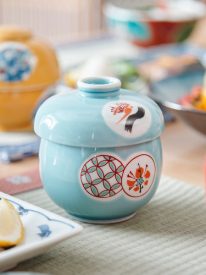
This chawanmushi (Japanese steamed egg custard) bowl has a traditional circle pattern called marumon. The transparent blue-green color unique to celadon porcelain is beautiful and contrasts elegantly with the red circle pattern. Tasei Kiln is a kiln that originally made chawanmushi bowls for restaurant use. If you make chawanmushi with it, you can enjoy authentic…
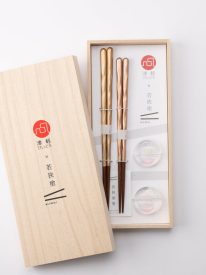
This set brings together the craftsmanship of Tsugaru Vidro from Aomori Prefecture and Wakasa lacquerware from Fukui Prefecture. It includes two pairs of chopsticksone in pink champagne gold and the other in champagne goldthat perfectly match the simple cherry blossom petal chopstick rests. The chopsticks have an undulated shape, offering a comfortable grip. Featuring a delicate…
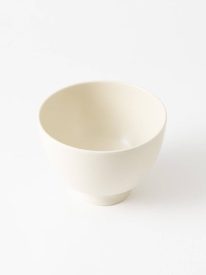
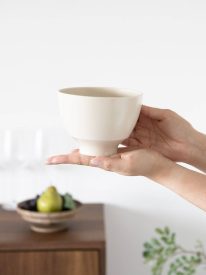
This small-sized donburi bowl exudes sophistication with its elegant form, gentle off-white glaze, and delicate matte texture. It is part of the “Une” series, which blends contemporary aesthetics with the timeless tradition of Kutani ware porcelain. A significant portion of the carefully selected clay for Kutani ware, known as Hanasaka ceramic stone, is discarded during…
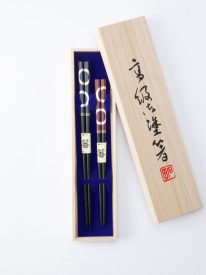
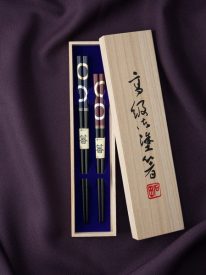
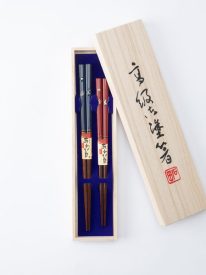
This set of stylish chopsticks features gold and silver circles on the handles, with a sleek black finish on the lower half. The circular designs and matte finish bring a modern touch to the traditional red and blue chopsticks, making them perfect for a couple. These chopsticks offer a smooth, comfortable grip with subtly textured…
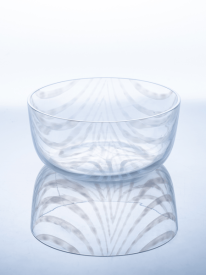
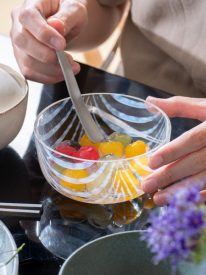
This is a glass bowl with makiage pattern from the Taisho Roman glass series by Hirota Glass, a long-established glass manufacturer in Tokyo. Makiage is a traditional tie-dyeing technique used in kimono making. This method creates intricate patterns that convey an aura of elegance and grace. This pattern is created by the aburidashi “invisible ink” technique,…
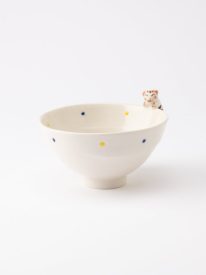
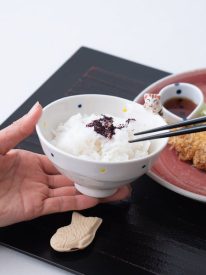
Children will smile back at the cute kitty cat on the rim when they eat out of this adorable rice bowl from Kikusho Kiln. Looking from the side, you can see a tabby cat with a big smile hanging from the edge of the rice bowl. The rim of the rice bowl is slightly thicker…


 Full Moon and Rabbit Chopsticks Pair Set
 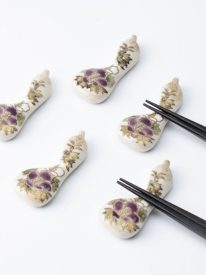 Hozan Kiln Hibiscus and Gourd Kyo Ware Chopstick Rest Set
 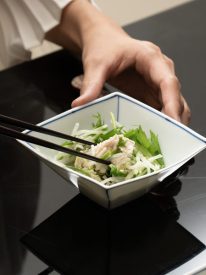 SINGAMA Blue Line Seto Ware Square Kobachi Bowl 4.5in